Introduction
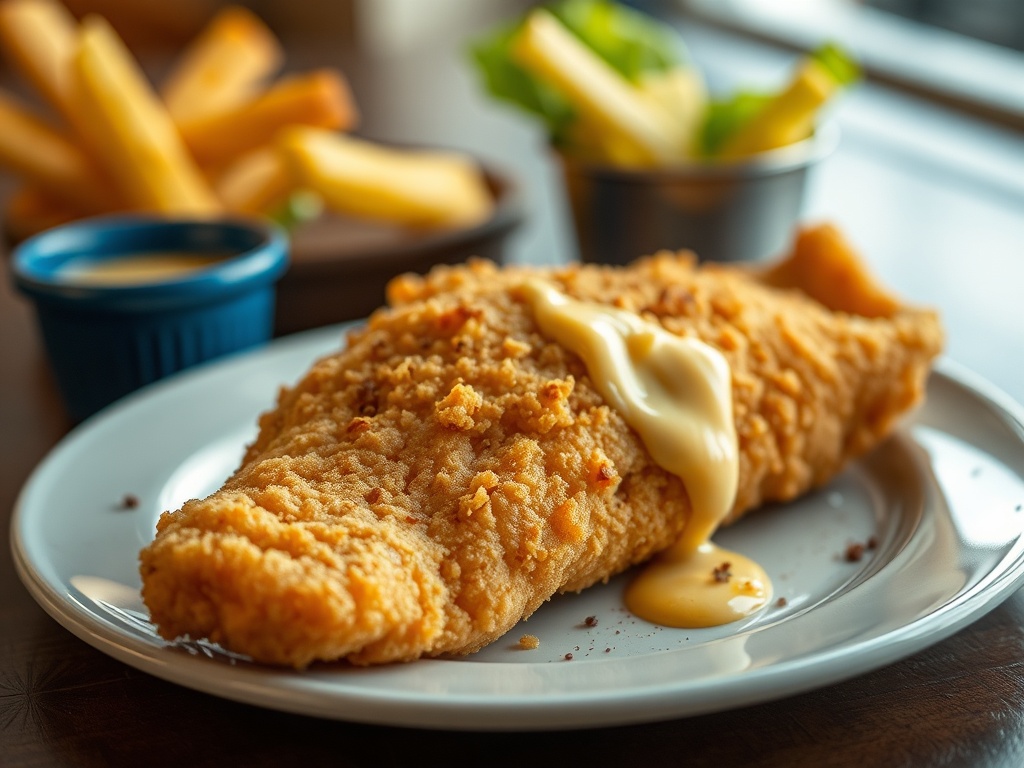
There’s something undeniably comforting about the golden-brown crispness and tender, flaky interior of Captain D’s Batter Dipped Fish. For many, it evokes cherished memories of family dinners, road trips, or simply a delicious, no-fuss meal. That signature light, airy batter that shatters with each bite, giving way to perfectly cooked white fish, has captivated taste buds for decades. It’s a culinary experience that stands out in the world of fast-casual seafood, striking that perfect balance between satisfying indulgence and approachable flavor.
But what if you could recreate that magic in your own kitchen? Imagine the aroma of freshly fried fish filling your home, the satisfaction of biting into a piece you’ve crafted yourself, and the joy of sharing that iconic taste with loved ones. This isn’t just about frying fish; it’s about unlocking the “secret” to that beloved Captain D’s experience. We’re going to dive deep into the art and science behind achieving that perfectly crispy, flavorful fried fish, ensuring each piece is as golden and delicious as you remember, without having to leave your house.
Making your own Captain D’s-style fish at home offers a multitude of benefits. Beyond the sheer satisfaction of a successful copycat, you gain complete control over the ingredients, ensuring freshness and quality. It’s often more cost-effective than dining out, and you can tailor it to dietary considerations or personal preferences. Prepare to transform your kitchen into your very own Captain D’s, where you’re the master of the fryer, ready to churn out plate after plate of crispy, tender, and utterly delicious batter-dipped fish.
Nutritional Information
Per serving (approximate values):
- Calories: 380
- Protein: 25g
- Carbohydrates: 30g
- Fat: 18g
- Fiber: 2g
- Sodium: 650mg
Ingredients
- 1.5 lbs white, flaky fish (Cod, Pollock, or Haddock), cut into 4-6 ounce portions
- 2 cups all-purpose flour, divided
- 1/2 cup cornstarch
- 1 tablespoon baking powder
- 1 teaspoon salt, plus more for seasoning
- 1/2 teaspoon black pepper
- 1/2 teaspoon garlic powder
- 1/4 teaspoon paprika (optional, for color)
- 1.5 cups very cold water (or cold seltzer/club soda for extra crispness)
- 1 large egg (optional, for binding and richness)
- 4-6 cups high smoke point oil for frying (vegetable, canola, or peanut oil)
- Lemon wedges, for serving
Instructions
- Prepare the Fish: Begin by patting your fish fillets thoroughly dry with paper towels. This is a crucial step to ensure the batter adheres properly and creates a crispy crust. Cut the fish into uniform 4-6 ounce portions, about 1-inch thick, to ensure even cooking. If using frozen fish, make sure it is completely thawed and dried.
- Set Up the Frying Station: Choose a deep, heavy-bottomed pot, Dutch oven, or deep fryer. Pour the frying oil into the pot, ensuring it is at least 3-4 inches deep, but no more than halfway up the sides of the pot to prevent overflow during frying. Attach a deep-fry thermometer to the side of the pot. Place a wire rack over a baking sheet near your frying station; this will be for draining the fried fish.
- Prepare the Batter (Dry Ingredients): In a large mixing bowl, whisk together 1.5 cups of the all-purpose flour, cornstarch, baking powder, 1 teaspoon salt, black pepper, garlic powder, and paprika (if using). Whisk until all the dry ingredients are thoroughly combined and there are no lumps.
- Prepare the Batter (Wet Ingredients): In a separate bowl, lightly beat the optional egg if you are using it. Add the very cold water (or seltzer/club soda) to the egg, if applicable. Gradually pour the cold liquid mixture into the dry ingredients, whisking gently until just combined. The batter should be smooth but it’s okay to have a few small lumps; do not overmix, as this can develop gluten and make the batter tough. The consistency should resemble thin pancake batter, coating the back of a spoon but still pourable. Place the batter in the refrigerator while the oil heats up to keep it cold.
- Heat the Oil: Place the pot of oil over medium-high heat. Slowly heat the oil to an optimal frying temperature of 350-375°F (175-190°C). Use your thermometer to monitor the temperature closely. Maintaining a consistent oil temperature is key to crispy, non-greasy fish.
- Dredge the Fish: While the oil is heating, place the remaining 1/2 cup of all-purpose flour in a shallow dish. Lightly dredge each piece of dried fish in this flour, shaking off any excess. This initial flour coating helps the wet batter adhere better to the fish.
- Batter and Fry: Once the oil reaches the target temperature, remove the cold batter from the refrigerator. Working in small batches (do not overcrowd the pot, typically 2-3 pieces at a time depending on your pot size), dip each floured piece of fish into the cold batter, ensuring it is fully coated. Allow any excess batter to drip off.
- Carefully Fry the Fish: Gently lower the battered fish into the hot oil away from you to avoid splashes. Fry for 4-6 minutes, flipping once halfway through, or until the fish is golden brown and cooked through. The internal temperature of the fish should reach 145°F (63°C) and it should flake easily with a fork.
- Drain and Season: Using a slotted spoon or spider, carefully remove the cooked fish from the oil. Transfer the fried fish immediately to the wire rack set over the baking sheet to drain excess oil. While still hot, sprinkle generously with additional salt to taste.
- Repeat and Serve: Allow the oil temperature to return to 350-375°F (175-190°C) before frying the next batch. Repeat the battering and frying process until all the fish is cooked. Serve immediately with lemon wedges and your favorite sides.
Cooking Tips and Variations
To truly master Captain D’s-style Batter Dipped Fish, understanding the nuances of both batter preparation and frying technique is paramount. The secret to that signature crispness lies in a few key principles. Firstly, the “cold batter, hot oil” rule is non-negotiable. The thermal shock created when cold batter hits hot oil causes the moisture in the batter to rapidly evaporate, creating steam that puffs up the batter and results in an incredibly light and airy crust. Using very cold water, or even better, seltzer or club soda, in your batter enhances this effect due to the added carbonation, which introduces more air bubbles. Secondly, cornstarch is your best friend for crispiness. It inhibits gluten development, which can make batter chewy, and contributes to a wonderfully crunchy texture. Combine it with baking powder, a leavening agent that creates even more air pockets, and you have a batter designed for maximum crispness and lightness. When mixing, resist the urge to overmix; a few lumps are perfectly fine and will prevent the development of tough gluten strands. The batter should be just thick enough to coat the fish evenly but still thin enough to drip off slightly.
Maintaining consistent oil temperature is another golden rule for perfect fried fish. If the oil is too cool, the batter will absorb too much oil, resulting in greasy, soggy fish. If the oil is too hot, the batter will brown too quickly on the outside, leaving the inside undercooked. A good deep-fry thermometer is an indispensable tool here. Aim for a temperature range of 350-375°F (175-190°C). Frying in small batches is also critical; overcrowding the pot will drastically drop the oil temperature, leading to less crispy results. After frying, always drain the fish on a wire rack, not directly on paper towels, which can trap steam and make the bottom soggy. Seasoning immediately after frying, while the fish is still hot, allows the salt to adhere best and enhance the flavor.
For variations, consider a beer batter by substituting some or all of the cold water with cold beer (a light lager works well) for a richer flavor and even lighter texture. For a spicy kick, add a pinch of cayenne pepper or chili powder to the dry batter ingredients. Dried herbs like dill, parsley, or chives can also be incorporated for an herbaceous twist. While deep-frying is the authentic method for Captain D’s, if you’re looking for a healthier alternative, you can adapt this recipe for an air fryer or oven. For air frying, spray the battered fish generously with cooking oil spray and air fry at 375-400°F (190-200°C) for 12-18 minutes, flipping halfway, until golden and cooked. For oven baking, place the sprayed, battered fish on a wire rack over a baking sheet and bake at 425°F (220°C) for 15-20 minutes. While these methods won’t replicate the exact texture of deep-fried, they offer a delicious, lighter take.
Storage and Reheating
To properly store any leftover Captain D’s Batter Dipped Fish, allow it to cool completely to room temperature. Once cooled, place the fish in an airtight container or wrap it tightly in aluminum foil. Store it in the refrigerator for up to 2-3 days. Freezing fried fish is generally not recommended as the batter can become very soggy and lose its texture upon thawing and reheating. The key to maintaining some semblance of crispness when reheating is to avoid methods that introduce too much moisture, like a microwave.
The best method for reheating fried fish is to use an oven or an air fryer. Preheat your oven to 350°F (175°C). Place the leftover fish on a wire rack set over a baking sheet. This allows air to circulate around the fish, helping to re-crisp the batter. Bake for 10-15 minutes, or until the fish is heated through and the batter is crispy again. For an air fryer, preheat to 350°F (175°C) and air fry the fish for 5-8 minutes, checking periodically, until it’s hot and crispy. The goal is to heat it quickly and evenly without drying out the fish or making the batter greasy. Avoid covering the fish during reheating, as this will trap steam and lead to sogginess.
Frequently Asked Questions
Why is my fried fish soggy?
Soggy fried fish is usually a result of the oil not being hot enough when the fish is added, causing the batter to absorb too much oil rather than crisping up. Overcrowding the pot can also drop the oil temperature, leading to the same issue. Additionally, not draining the fish on a wire rack after frying, or letting it sit on paper towels for too long, can trap steam and make the batter soft.
Can I use self-rising flour for the batter?
Yes, you can use self-rising flour, but you may need to adjust or omit the baking powder. Self-rising flour already contains leavening agents and salt. If you use it, reduce the baking powder by about half or omit it entirely, and adjust the added salt to taste, as the self-rising flour will contribute some saltiness.
What is the best type of fish to use for this recipe?
The best types of fish for batter-dipped frying are white, flaky, and firm-fleshed varieties that hold up well to cooking. Cod, Pollock, and Haddock are excellent choices as they have a mild flavor that pairs well with the batter and a tender texture when cooked. Tilapia can also work, but tends to be thinner and cooks faster.
Is it safe to deep-fry at home?
Deep-frying at home can be safe if proper precautions are taken. Always use a deep, heavy-bottomed pot and do not fill it more than halfway with oil to prevent boil-overs. Maintain a consistent oil temperature with a thermometer. Never leave hot oil unattended. Keep a fire extinguisher (specifically for grease fires) or a pot lid nearby. Do not use water to extinguish a grease fire; instead, cover the pot with its lid or use the extinguisher.