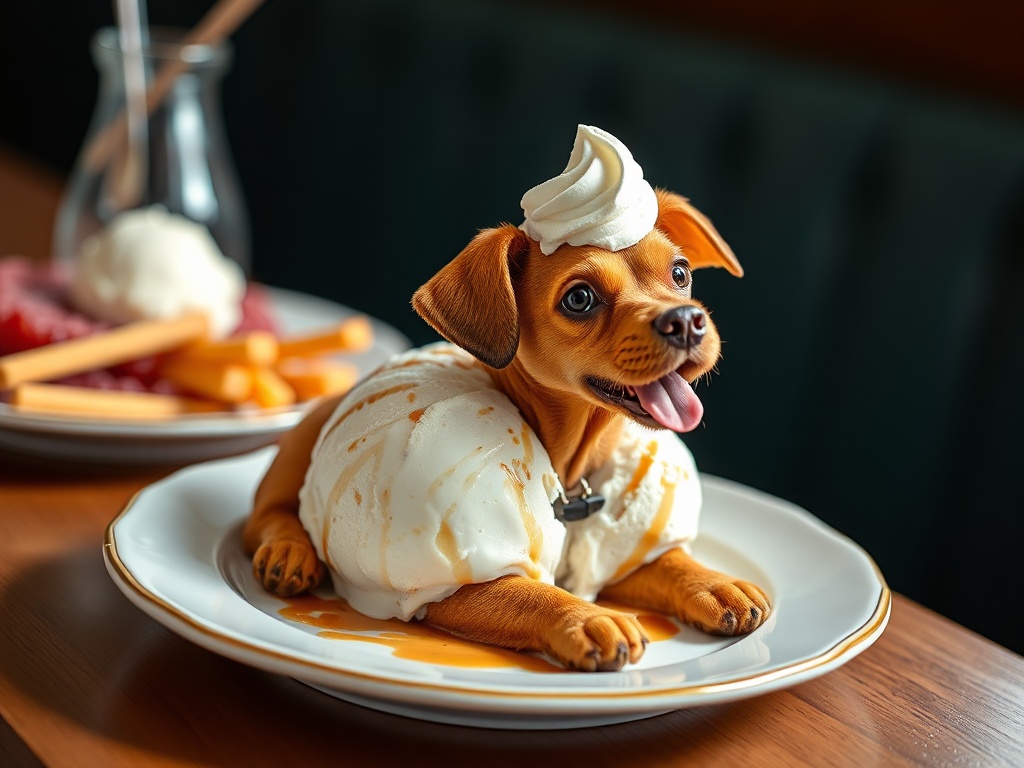
Cool Treats for Your Canine Companion: Homemade Dog Ice Cream Recipes
Ever wish you could share a frosty treat with your furry best friend on a scorching summer day? Or perhaps you’re looking for a special way to celebrate their birthday? Look no further than homemade dog ice cream! This delightful and surprisingly simple concoction allows you to whip up a safe, healthy, and incredibly delicious dessert that your canine companion will absolutely adore. Forget the store-bought versions that often contain questionable ingredients; making it yourself means you’re in complete control, ensuring only the best for your beloved pup.
The beauty of homemade dog ice cream lies in its simplicity and versatility. Not only is it a fantastic way to cool down a hot dog, but it also offers numerous benefits. You can rest easy knowing there are no harmful additives, excessive sugars, or dangerous artificial sweeteners like xylitol lurking in your pup’s treat. Instead, you’ll be using wholesome, natural ingredients that contribute to their health and happiness. Plus, it’s incredibly cost-effective compared to commercial options and provides a wonderful bonding experience as you prepare something special just for them. This article will guide you through a basic, foolproof recipe, explore exciting flavor variations, and provide crucial safety tips to ensure your dog enjoys their icy delight safely.
Get ready to unleash your inner chef and create some wag-worthy frozen treats! Whether your dog prefers sweet, savory, or something with a little crunch, we’ve got you covered. From classic peanut butter and banana to pumpkin and even savory chicken broth options, the possibilities are endless. So grab your blender, gather your dog-friendly ingredients, and prepare to become your pup’s favorite dessert provider!
Nutritional Information
Per serving (approximate values for Classic Peanut Butter & Banana Bliss):
- Calories: 75
- Protein: 4g
- Carbohydrates: 9g
- Fat: 3g
- Fiber: 1g
- Sodium: 25mg
Ingredients
- 2 ripe bananas, mashed
- 1 cup plain, unsweetened yogurt (Greek or regular, ensure no artificial sweeteners or xylitol)
- 1/4 cup xylitol-free peanut butter
- 1-2 tablespoons water or low-sodium, dog-friendly broth (optional, for consistency)
Instructions
- Begin by peeling your ripe bananas. Place them in a medium-sized bowl and mash them thoroughly with a fork until they form a smooth, consistent paste. Ensure there are no large lumps remaining.
- In a blender or food processor, combine the mashed bananas, plain unsweetened yogurt, and xylitol-free peanut butter.
- Blend the ingredients on medium speed until the mixture is completely smooth and creamy. If the mixture is too thick to blend easily, add 1 to 2 tablespoons of water or low-sodium, dog-friendly broth, one tablespoon at a time, until the desired consistency is reached. The goal is a pourable but still thick mixture.
- Once blended, carefully pour the dog ice cream mixture into your chosen molds. Ice cube trays are excellent for portion control, but silicone molds (like paw prints or bones) or even small paper cups work wonderfully. If using paper cups, you can insert a dog-safe treat stick (like a rawhide-free chew) into the center before freezing for a “popsicle” effect.
- Place the filled molds or cups into the freezer. Freeze for a minimum of 2-4 hours, or preferably overnight, until the dog ice cream is completely solid. The freezing time will vary depending on the size and depth of your molds and the temperature of your freezer.
- Once fully frozen, remove the dog ice cream from the molds. If using ice cube trays, you may need to run the bottom under warm water for a few seconds to help release them.
- Serve one frozen treat to your happy pup. For storage, transfer any remaining dog ice cream to an airtight container or a freezer-safe bag. This will help prevent freezer burn and keep the treats fresh.
- Store the dog ice cream in the freezer for up to 1-2 months. When serving, especially if your dog has sensitive teeth, you can let the treat sit out for a minute or two to soften slightly before offering it.
Cooking Tips and Variations
For the best results, always use ripe bananas; they are naturally sweeter and blend more smoothly. Ensure your yogurt is plain and unsweetened, and crucially, double-check that your peanut butter is 100% xylitol-free. Xylitol is extremely toxic to dogs, so careful label reading is paramount. If your dog has a sensitive stomach or is new to dairy, start with a very small portion of the yogurt-based ice cream or opt for lactose-free yogurt. For a creamier texture, you can use full-fat plain yogurt, but remember to adjust portion sizes accordingly. To make blending easier, especially if your blender isn’t super powerful, you can slightly soften the bananas in the microwave for 15-30 seconds before mashing.
Flavorful Variations & Healthy Add-Ins
Once you’ve mastered the classic peanut butter and banana base, the world of dog ice cream variations opens up! Remember to always introduce new ingredients slowly and in small amounts to monitor for any sensitivities.
- Sweet & Fruity Options:
- Pumpkin Purée Perfection: For a digestive boost and a lovely flavor, add 1/4 cup of unsweetened canned pumpkin purée (not pumpkin pie filling!) to the base recipe. This is especially good for dogs with mild tummy troubles.
- Berry Burst: Blend in 1/4 cup of fresh or frozen blueberries, strawberries, or raspberries (avoid grapes, as they are toxic to dogs). These fruits are packed with antioxidants and add a vibrant color.
- Apple Sauce Delight: Mix in 1/4 cup of unsweetened applesauce for a milder, sweeter treat.
- Savory & Hearty Options:
- Chicken Broth & Veggie: Skip the yogurt and peanut butter for this one. Blend 1 cup of low-sodium chicken broth with 1/2 cup of finely chopped and cooked dog-safe vegetables like carrots, peas, or green beans. Freeze in molds. This is a great dairy-free option.
- Sweet Potato Swirl: Cook and mash 1/2 cup of sweet potato. Blend it into the banana and yogurt base for an extra vitamin-rich and delicious treat.
- Texture Boosters (Mix-ins after blending):
- Crunchy Delights: Stir in a few crushed dog biscuits (xylitol-free) or small pieces of cooked, plain chicken or turkey for added texture and protein.
- Omega-3 Boost: A small sprinkle (1/2 teaspoon) of ground flax seeds or chia seeds can be added for healthy omega-3 fatty acids. Ensure they are well mixed into the blend.
Storage and Reheating
Homemade dog ice cream is best stored in an airtight container or freezer-safe bag in the freezer. This prevents freezer burn, which can affect the texture and flavor, and also keeps the treats from absorbing any unwanted odors from other items in your freezer. Properly stored, these frozen delights will last for 1 to 2 months. There’s no need for “reheating” dog ice cream, as it’s meant to be served frozen. However, if the treats are rock-hard straight from the freezer, especially for dogs with sensitive teeth, you can let them sit at room temperature for 1-2 minutes to soften slightly before serving. This makes them a bit easier and more comfortable for your dog to enjoy. Always ensure the treats are still mostly frozen when served to maintain their cooling effect and consistency.
Frequently Asked Questions
What ingredients are absolutely forbidden in dog ice cream?
The most critical ingredient to avoid is xylitol, a common artificial sweetener found in many peanut butters, yogurts, and other human foods. It is highly toxic to dogs and can cause rapid blood sugar drops and liver failure. Other forbidden ingredients include chocolate, grapes and raisins, macadamia nuts, onions, garlic, and excessive amounts of sugar or salt. Always check all ingredient labels carefully.
How much dog ice cream can I give my dog?
Homemade dog ice cream should always be given in moderation, as it is a treat and not a meal replacement. The appropriate portion size depends on your dog’s size, activity level, and overall diet. For most medium-sized dogs, one small ice cube tray portion per day is a good starting point. Larger dogs might handle two, while smaller dogs or puppies should have even less. Always monitor your dog for any digestive upset after introducing new treats.
Can puppies eat dog ice cream?
Yes, puppies can enjoy dog ice cream, but with extra caution and in very small portions. Ensure the ingredients are puppy-safe and easily digestible. Avoid giving very cold treats to young puppies, as their digestive systems can be more sensitive. You might want to let the treat soften a bit more before offering it to a puppy, or even serve it slightly thawed. Always consult your vet if you have concerns about introducing new foods to your puppy.
My dog is lactose intolerant; can they still have dog ice cream?
If your dog is lactose intolerant or has dairy sensitivities, you can easily make dairy-free versions of dog ice cream. Instead of plain yogurt, consider using a dairy-free, unsweetened yogurt alternative (like coconut or almond yogurt, ensuring no xylitol or other harmful ingredients) or simply use more mashed banana as a base, thickened with a bit of pumpkin puree or blended cooked sweet potato. Savory options made with low-sodium broth and vegetables are also excellent dairy-free alternatives.