Introduction
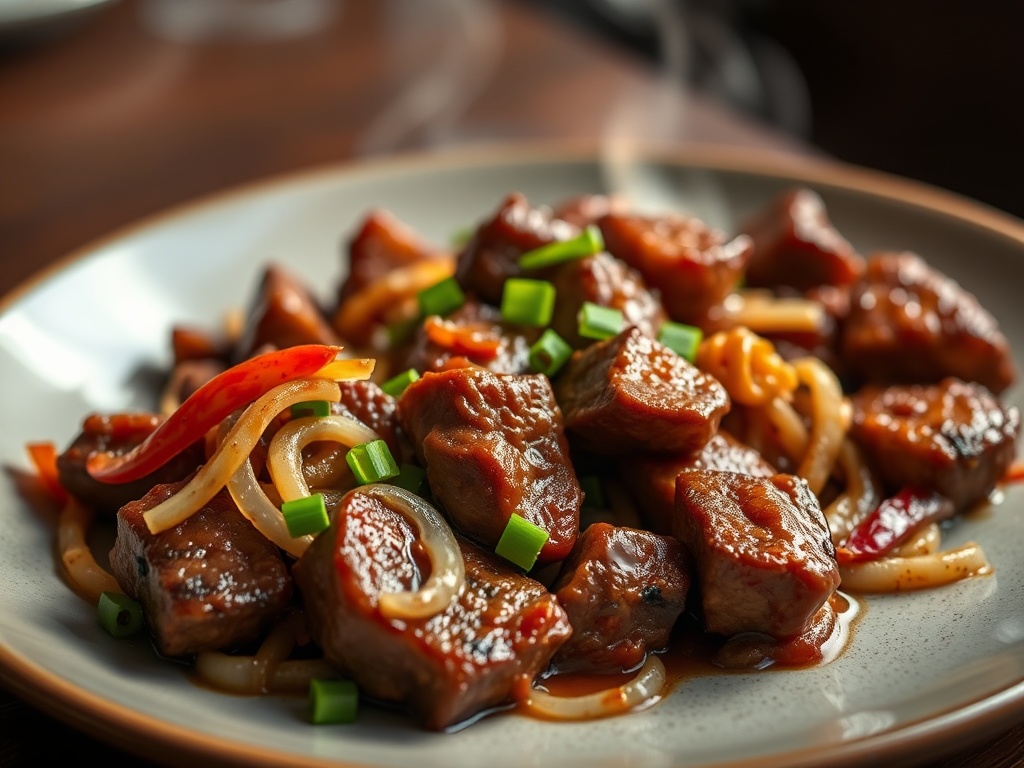
Get ready to transform your kitchen into your favorite Chinese takeout spot with this incredible recipe for Sizzling Chinese Pepper Steak with Onions! Imagine tender strips of flank steak, perfectly seared and coated in a rich, savory sauce, mingling with crisp-tender bell peppers and sweet onions. The aroma alone will transport you, promising a dish that’s not just delicious, but deeply satisfying and surprisingly easy to whip up on a weeknight. Forget waiting for delivery; this homemade version offers unparalleled freshness and flavor, allowing you to control every ingredient for a truly superior dining experience.
Pepper steak is a beloved classic in Chinese-American cuisine, known for its harmonious blend of textures and tastes. It’s a testament to the art of stir-frying, where high heat and quick cooking create magic from simple components. Our recipe elevates this popular dish by focusing on key techniques: a tenderizing marinade that ensures every bite of beef melts in your mouth, precise slicing to maximize tenderness, and a perfectly balanced sauce that clings beautifully to every ingredient. This isn’t just a meal; it’s a culinary journey that promises vibrant colors, irresistible aromas, and a symphony of flavors that will have your family asking for seconds.
What makes this particular Sizzling Chinese Pepper Steak stand out? It’s the meticulous attention to detail, from the moment you slice the beef to the final sizzle in the pan. We’ll guide you through creating a velvety beef texture, achieving that ideal crisp-tender bite in your vegetables, and crafting a glossy, umami-packed sauce that ties everything together. Prepare to impress yourself and your loved ones with a dish that rivals any restaurant offering, proving that your weeknight dinner can be both convenient and spectacularly delicious.
Nutritional Information
Per serving (approximate values):
- Calories: 450
- Protein: 35g
- Carbohydrates: 25g
- Fat: 22g
- Fiber: 3g
- Sodium: 950mg
Ingredients
- 1.5 lbs flank steak, trimmed
- 2 tbsp soy sauce (low sodium preferred)
- 1 tbsp Shaoxing wine (or dry sherry)
- 1 tsp sesame oil
- 1 tsp cornstarch (for marinade)
- 1/4 tsp baking soda (optional, for extra tenderizing)
- 1/2 tsp freshly ground black pepper
- 2 tbsp high-smoke point oil (peanut, canola, or grapeseed), divided
- 1 large yellow onion, cut into 1-inch thick wedges or strips
- 1 large green bell pepper, seeded and cut into 1-inch strips
- 1 large red bell pepper, seeded and cut into 1-inch strips
- 3 cloves garlic, minced
- 1-inch piece fresh ginger, grated or minced
- 2 green onions, sliced, for garnish
- 1 tsp sesame seeds, for garnish (optional)
For the Sauce:
- 1/2 cup beef broth (low sodium)
- 2 tbsp soy sauce (low sodium preferred)
- 1 tbsp oyster sauce
- 1 tbsp rice vinegar
- 1 tsp granulated sugar
- 1/2 tsp freshly ground black pepper
- 1 tbsp cornstarch (for sauce slurry)
- 2 tbsp water (for cornstarch slurry)
Instructions
- Prepare the Beef: Partially freeze the flank steak for 20-30 minutes; this makes it easier to slice. Slice the steak thinly (about 1/4 inch thick) against the grain into 2-inch long strips.
- Marinate the Beef: In a medium bowl, combine the sliced beef with 2 tbsp soy sauce, Shaoxing wine, 1 tsp sesame oil, 1 tsp cornstarch, baking soda (if using), and 1/2 tsp black pepper. Mix well to ensure all beef strips are coated. Let marinate at room temperature for at least 15-20 minutes, or refrigerate for up to 1 hour.
- Prepare the Vegetables: While the beef marinates, prepare the onion and bell peppers by cutting them into uniform 1-inch strips or wedges. Mince the garlic and grate the ginger. Slice the green onions for garnish.
- Prepare the Sauce: In a small bowl, whisk together the beef broth, 2 tbsp soy sauce, oyster sauce, rice vinegar, sugar, and 1/2 tsp black pepper. In a separate small bowl, whisk together 1 tbsp cornstarch and 2 tbsp water to create a slurry. Set both aside.
- Cook the Beef: Heat 1 tablespoon of high-smoke point oil in a large wok or a heavy-bottomed skillet over high heat until shimmering and almost smoking. Add about half of the marinated beef in a single layer, ensuring not to overcrowd the pan. Sear for 1-2 minutes per side until nicely browned but not fully cooked through (it will finish cooking later). Remove the seared beef to a clean plate and repeat with the remaining beef, adding another 1/2 tablespoon of oil if needed.
- Sauté Aromatics and Vegetables: Add the remaining 1/2 tablespoon of oil to the same wok/skillet. Add the minced garlic and grated ginger and stir-fry for about 30 seconds until fragrant. Add the sliced onions and bell peppers to the wok. Stir-fry for 3-5 minutes, until the vegetables are crisp-tender but still retain some bite.
- Combine and Sauce: Return the seared beef to the wok with the vegetables. Give the prepared sauce mixture a quick whisk and pour it over the beef and vegetables. Bring the sauce to a simmer.
- Thicken the Sauce: Re-whisk the cornstarch slurry and slowly pour it into the simmering sauce, stirring constantly, until the sauce thickens to your desired consistency and becomes glossy. This should take about 1-2 minutes.
- Serve: Remove from heat immediately. Garnish with sliced green onions and sesame seeds, if desired. Serve hot over steamed white rice, brown rice, or noodles.
Cooking Tips and Variations
Achieving restaurant-quality Sizzling Chinese Pepper Steak at home hinges on a few crucial techniques. First and foremost, slicing the beef against the grain is non-negotiable for tenderness. The grain refers to the muscle fibers running through the meat; cutting perpendicular to these fibers shortens them, preventing a chewy texture. Partially freezing the flank steak for 20-30 minutes before slicing makes this task much easier, allowing for thin, even strips. When it comes to stir-frying, high heat and not overcrowding the pan are your best friends. A wok is ideal as its sloped sides allow for quick tossing and even heat distribution, but a large, heavy-bottomed skillet works well too. Cooking the beef in batches ensures that it sears beautifully and develops a rich flavor rather than steaming in its own juices, which would result in a tough, grey finish. Similarly, cook your vegetables until they are crisp-tender, meaning they still have a slight bite and vibrant color, not soft and mushy.
For variations, this recipe is incredibly adaptable. If flank steak isn’t available, skirt steak or sirloin can be excellent substitutes; just remember to slice them against the grain. To expand the vegetable profile, consider adding sliced mushrooms, snow peas, carrots, or even bok choy during the last few minutes of vegetable stir-frying. For those who enjoy a bit of heat, a pinch of red pepper flakes added to the sauce or a dash of chili garlic sauce alongside the ginger and garlic will provide a welcome kick. If you want to enhance the umami depth, a splash of Shaoxing wine in the sauce, beyond what’s in the marinade, can make a significant difference. For a gluten-free version, simply substitute tamari for soy sauce. This dish also lends itself well to other proteins; chicken breast or thigh, pork tenderloin, or even firm tofu can be used, with slight adjustments to cooking times.
Storage and Reheating
Sizzling Chinese Pepper Steak with Onions is best enjoyed fresh off the wok, when the beef is most tender and the vegetables are perfectly crisp-tender. However, leftovers store quite well, making it a great option for meal prep. To store, allow the dish to cool completely to room temperature. Transfer the pepper steak to an airtight container and refrigerate promptly. It will keep fresh for 3-4 days in the refrigerator. For best results, store any accompanying rice or noodles separately.
When reheating, it’s important to do so gently to maintain the quality of the beef and vegetables. The microwave is the quickest method: place a single serving in a microwave-safe dish, cover loosely, and heat on medium power for 1-2 minutes, stirring halfway through, until heated through. Be careful not to overheat, as this can make the beef tough and the vegetables soggy. For a stovetop method, which yields better results, heat a small amount of oil in a skillet over medium heat. Add the pepper steak and stir-fry gently for 3-5 minutes, or until thoroughly heated, adding a splash of water or beef broth if the sauce seems too thick or dry. This method helps to revive some of the original texture and flavor. Avoid reheating multiple times to ensure food safety and quality.
Frequently Asked Questions
My beef turned out tough. What went wrong?
Tough beef in a stir-fry is usually due to a few common culprits. Firstly, ensure you sliced the flank steak thinly and strictly against the grain. Slicing with the grain leaves long muscle fibers that become chewy when cooked. Secondly, overcrowding the pan is a major factor; if you add too much beef at once, the pan’s temperature drops, and the beef steams rather than sears, leading to a tough texture. Always cook in batches. Lastly, overcooking the beef can also make it tough; stir-fries are quick, high-heat cooking, and the beef should be just cooked through.
Can I prepare parts of this dish ahead of time?
Absolutely! This recipe is great for partial meal prep. You can slice and marinate the beef up to 1 hour in advance (or even overnight if omitting the baking soda, as prolonged exposure can affect texture). All your vegetables can be chopped and prepped, and the sauce can be whisked together and stored in the refrigerator for up to 2 days. Having your mise en place ready makes the actual cooking process incredibly fast, often taking less than 15 minutes from start to finish.
What kind of wok do you recommend for stir-frying?
For serious stir-frying, a carbon steel wok is generally considered the best. It heats up quickly, retains high heat, and develops a natural non-stick seasoning over time. If you have an electric stove, a flat-bottomed carbon steel wok is suitable. For gas stoves, a round-bottomed wok with a wok ring is ideal. If a wok isn’t an option, a large, heavy-bottomed stainless steel skillet or cast-iron skillet will also work well, as they retain heat effectively, which is crucial for achieving a good sear and preventing steaming.
My sauce is too thin/thick. How can I fix it?
If your sauce is too thin, it likely needs more cornstarch. Whisk a small amount (1/2 to 1 teaspoon) of cornstarch with an equal amount of cold water to form another slurry. Gradually add this to the simmering sauce, stirring constantly, until it reaches your desired thickness. If your sauce is too thick, simply add a tablespoon or two of beef broth or water, stirring until it thins out to the right consistency. Always adjust gradually to avoid over-correcting.