Introduction
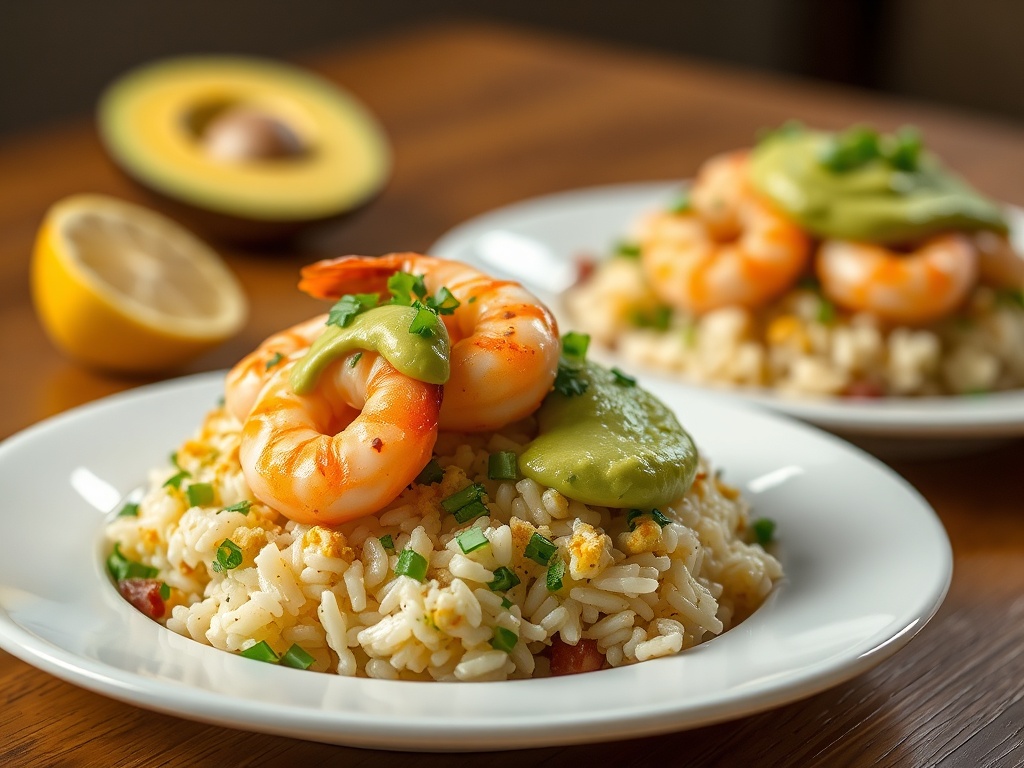
Are you tired of the same old weeknight dinner routine? Do you crave something fresh, flavorful, and satisfying, but don’t have hours to spend in the kitchen? Look no further than these Lemon Garlic Shrimp Rice Bowls with Avocado Cilantro Cream! This vibrant dish is your new secret weapon for transforming busy evenings into a culinary delight. Imagine succulent, zesty shrimp, perfectly cooked and infused with bright lemon and pungent garlic, nestled atop a bed of fluffy rice. But the real star, the creamy, dreamy element that ties it all together, is a luscious avocado cilantro cream – a cool, herbaceous counterpoint that will make your taste buds sing.
This recipe isn’t just about speed; it’s about a symphony of textures and tastes. The tender bite of shrimp, the comforting grain of rice, and the silky smooth, tangy cream create an experience that feels gourmet, yet is entirely achievable for even the most novice home cook. It’s a dish that promises both comfort and excitement, delivering a healthy, high-protein meal that’s bursting with fresh ingredients. Whether you’re meal prepping for a busy week, looking for a light yet filling lunch, or simply want to impress yourself (and maybe some dinner guests) with minimal effort, these Lemon Garlic Shrimp Rice Bowls are about to become a staple in your kitchen.
Nutritional Information
Per serving (approximate values):
- Calories: 550
- Protein: 35g
- Carbohydrates: 50g
- Fat: 25g
- Fiber: 8g
- Sodium: 650mg
Ingredients
- For the Lemon Garlic Shrimp:
- 1 lb large shrimp, peeled, deveined, tails on or off
- 2 tablespoons olive oil
- 4 cloves garlic, minced
- 1 large lemon, zest and juice
- ½ teaspoon salt
- ¼ teaspoon black pepper
- ¼ teaspoon red pepper flakes (optional, for heat)
- 2 tablespoons fresh parsley, chopped, for garnish
- For the Avocado Cilantro Cream:
- 1 large ripe avocado, pitted and scooped
- ½ cup fresh cilantro, packed
- 2 tablespoons lime juice (or lemon juice)
- ¼ cup plain Greek yogurt or sour cream
- 2-4 tablespoons water, for thinning
- 1 small garlic clove (optional, for extra kick)
- ¼ teaspoon salt
- ⅛ teaspoon black pepper
- For the Rice Bowls:
- 2 cups cooked rice (jasmine, basmati, brown, or cauliflower rice)
- Optional toppings/add-ins:
- ½ cup cherry tomatoes, halved
- ½ cup corn (fresh, frozen, or canned)
- ½ cup black beans, rinsed and drained
- ¼ cup pickled red onions
- Extra fresh cilantro, for garnish
Instructions
- Prepare the Rice: If you don’t have cooked rice on hand, prepare 2 cups of your preferred rice according to package directions. For jasmine or basmati, this typically involves rinsing the rice, then combining 1 cup of rice with 1.5-2 cups of water in a saucepan. Bring to a boil, reduce heat to low, cover, and simmer for 15-20 minutes until water is absorbed and rice is tender. Fluff with a fork and set aside.
- Make the Avocado Cilantro Cream: In a food processor or blender, combine the scooped avocado, fresh cilantro, lime juice, Greek yogurt (or sour cream), optional garlic clove, salt, and pepper. Blend until smooth and creamy. Gradually add 2-4 tablespoons of water, one tablespoon at a time, until the cream reaches your desired pourable, yet still thick, consistency. Taste and adjust seasoning as needed. Set aside. If making ahead, press plastic wrap directly onto the surface of the cream to prevent browning.
- Cook the Shrimp: Pat the shrimp dry with paper towels. In a medium bowl, toss the shrimp with 1 tablespoon of olive oil, the minced garlic, lemon zest, salt, black pepper, and red pepper flakes (if using). Heat the remaining 1 tablespoon of olive oil in a large skillet or frying pan over medium-high heat. Once hot, add the seasoned shrimp in a single layer, being careful not to overcrowd the pan. Cook for 1-2 minutes per side, until the shrimp turn pink and opaque and are just cooked through. Avoid overcooking, as this can make the shrimp rubbery. Remove from heat and immediately squeeze the fresh lemon juice over the cooked shrimp.
- Assemble the Bowls: Divide the cooked rice evenly between two large serving bowls. Arrange the cooked lemon garlic shrimp over the rice.
- Garnish & Serve: Drizzle a generous amount of the Avocado Cilantro Cream over the shrimp and rice. Add any desired optional toppings such as cherry tomatoes, corn, black beans, or pickled red onions. Garnish with a sprinkle of fresh chopped parsley and extra cilantro. Serve immediately and enjoy!
Cooking Tips and Variations
For the most flavorful Lemon Garlic Shrimp, always use fresh garlic. While jarred minced garlic can work in a pinch, fresh cloves offer a more pungent and vibrant flavor that truly shines in this dish. When zesting your lemon, make sure to only get the bright yellow part of the peel, avoiding the bitter white pith underneath. This ensures pure, bright lemon flavor without any unwanted bitterness. Don’t be afraid to adjust the amount of red pepper flakes to your preference; a little extra can add a wonderful kick that complements the lemon and garlic beautifully.
The key to perfect shrimp is not to overcook them. Shrimp cook incredibly quickly, usually just 1-2 minutes per side, depending on their size. As soon as they turn pink and opaque, they’re done. Overcooked shrimp become tough and rubbery, losing their delicate texture. Adding the lemon juice right after cooking brightens the flavor and stops the cooking process slightly.
When preparing the Avocado Cilantro Cream, the consistency is crucial. Start with less water and add it gradually until you achieve a smooth, pourable sauce that’s still thick enough to cling to the shrimp and rice. Using a high-speed blender will give you the smoothest, most luxurious cream. For a tangier cream, you can increase the amount of Greek yogurt. If you prefer a dairy-free option, silken tofu or a plant-based sour cream alternative can be used in place of Greek yogurt.
This recipe is incredibly versatile. If shrimp isn’t your preference, you can easily substitute it with pan-seared chicken breast, firm white fish like cod or tilapia, or even plant-based proteins such as grilled tofu or chickpeas for a vegetarian version. Instead of traditional rice, consider quinoa, couscous, or farro for different textures and nutritional profiles. For a low-carb alternative, cauliflower rice works wonderfully as a base. Feel free to experiment with other fresh herbs in the cream; a touch of dill or basil could offer an interesting twist, though the classic cilantro is highly recommended for its unique freshness.
To boost the flavor even further, consider adding a dash of smoked paprika to your shrimp seasoning for a smoky depth. A drizzle of hot sauce in the avocado cream can provide an extra layer of heat and complexity. For added crunch and a nutty flavor, sprinkle some toasted sesame seeds or chopped roasted cashews over your finished bowl. Don’t forget that presentation matters! A final sprinkle of fresh herbs and an extra lemon wedge on the side can elevate the visual appeal of your bowls.
Storage and Reheating
These Lemon Garlic Shrimp Rice Bowls are best enjoyed fresh, particularly the shrimp and the avocado cilantro cream. However, components can be stored separately for meal prep or leftovers.
The cooked rice can be stored in an airtight container in the refrigerator for up to 3-4 days. The cooked lemon garlic shrimp can also be stored separately in an airtight container in the refrigerator for up to 2-3 days. Reheating shrimp can sometimes lead to a slightly tougher texture, so gentle reheating is key.
The Avocado Cilantro Cream is the most delicate component due to avocado’s tendency to oxidize. If storing, transfer the cream to an airtight container and press a layer of plastic wrap directly onto the surface of the cream before sealing the lid. This minimizes air exposure and helps prevent browning. Stored this way, it can last for 1-2 days in the refrigerator, though it’s best consumed within 24 hours for optimal freshness and color. If it does brown slightly on the top, you can often scrape off the discolored layer, and the cream underneath will still be good.
To reheat the rice, you can microwave it with a splash of water, stirring occasionally, until hot. Alternatively, you can warm it gently in a saucepan over low heat. For the shrimp, it’s best to reheat them gently in a skillet over low-medium heat for just a minute or two until warmed through, or briefly in the microwave. Avoid high heat or prolonged reheating, which will make the shrimp rubbery. Once all components are reheated (or served at room temperature for the cream), assemble your bowl fresh.
Frequently Asked Questions
Can I prepare parts of this meal ahead of time for quicker assembly?
Absolutely! This recipe is fantastic for meal prep. You can cook your rice up to 3-4 days in advance. The avocado cilantro cream can be made a day ahead and stored in the refrigerator with plastic wrap pressed directly onto its surface to prevent browning. You can also peel and devein your shrimp and even make the lemon garlic marinade for the shrimp a few hours before cooking. This way, when dinnertime rolls around, all you need to do is quickly cook the shrimp and assemble your bowls.
What’s the best way to prevent the avocado cream from browning?
The key to preventing avocado cream from browning is to minimize its exposure to air. The lime or lemon juice in the recipe helps, but for storage, transfer the cream to an airtight container and press a layer of plastic wrap directly onto the surface of the cream, ensuring no air pockets remain. Then, seal the container with its lid. This method significantly slows down the oxidation process, keeping your cream vibrant and green for longer.
I don’t have Greek yogurt; what can I use instead for the cream?
If you don’t have Greek yogurt, sour cream is an excellent substitute and will provide a similar tang and creaminess. For a dairy-free or vegan option, you can use a plant-based sour cream alternative or even silken tofu. If using silken tofu, you might need to adjust the amount of water slightly to achieve the desired consistency, as it tends to be quite soft already. Make sure to taste and adjust seasonings accordingly, as dairy-free alternatives can sometimes have a slightly different flavor profile.