Introduction
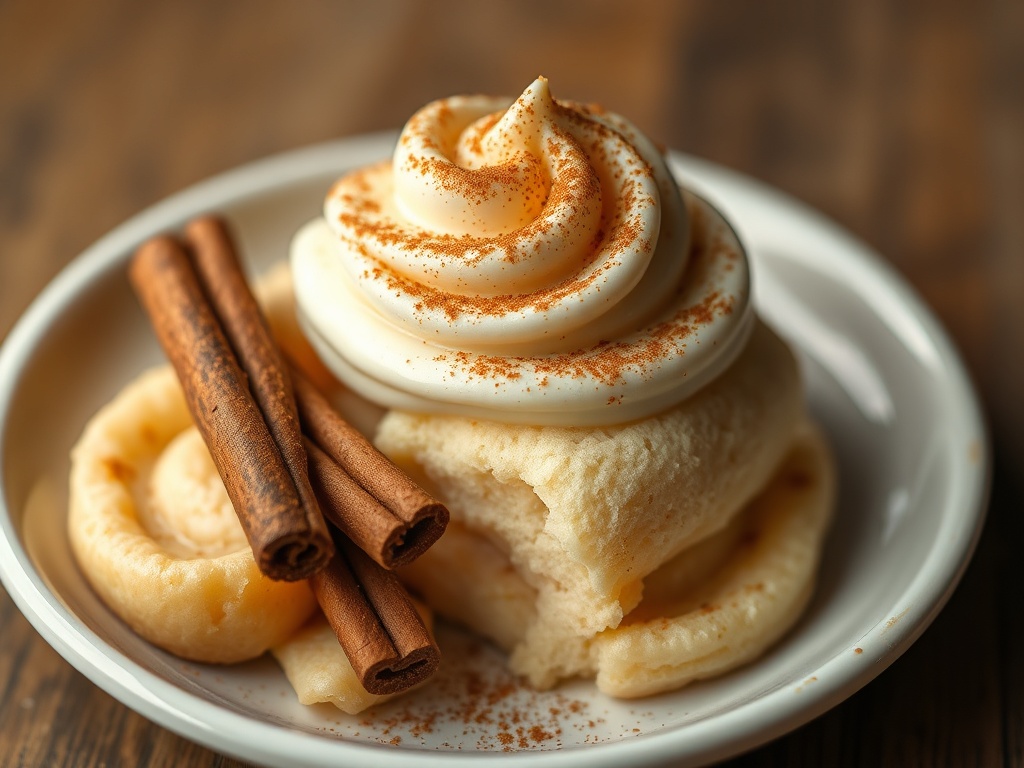
Imagine a morning filled with the irresistible scent of warm cinnamon and sweet dough, a treat so tender it practically melts in your mouth. This isn’t just a dream; it’s the reality waiting for you with our recipe for soft, fluffy, and perfectly swirled cinnamon rolls. These aren’t your average dry, crumbly pastries; this recipe is meticulously crafted to deliver ultimate fluffiness, creating a truly decadent experience that’s surprisingly achievable right in your own kitchen.
The allure of a homemade cinnamon roll is undeniable. It evokes feelings of comfort, warmth, and indulgence, making it a beloved staple for breakfasts, brunches, or even a delightful afternoon treat. While store-bought versions can satisfy a craving, nothing compares to the fresh-from-the-oven goodness of a roll made with love and precision. We’re diving into the world of homemade cinnamon rolls, but with a few key techniques that guarantee a supremely soft crumb and that iconic, gooey cinnamon swirl that oozes with flavor.
The secret to these rolls’ incredible tenderness lies in the careful balance of ingredients and technique. Active dry yeast ensures a beautiful, airy rise, while a generous amount of whole milk and butter enriches the dough, keeping it wonderfully moist and tender. Beyond the dough, the star of the show is, of course, the vibrant cinnamon filling, perfectly balanced with brown sugar for a caramelized sweetness that permeates every single bite. Proper kneading develops the gluten structure, essential for that chewy-yet-soft texture, and a gentle hand during the rolling process ensures a perfect, even swirl that holds all that delicious filling in place. Get ready to impress yourself and everyone lucky enough to share these culinary delights!
Nutritional Information
Per serving (approximate values, based on 12 rolls with frosting):
- Calories: 380
- Protein: 7g
- Carbohydrates: 55g
- Fat: 16g
- Fiber: 2g
- Sodium: 280mg
Ingredients
For the Dough:
- 1 cup (240ml) whole milk, warmed (105-115°F / 40-46°C)
- 2 ¼ teaspoons (1 standard packet) active dry yeast
- ¼ cup (50g) granulated sugar, plus 1 teaspoon for yeast activation
- ½ cup (113g) unsalted butter, melted and cooled slightly
- 2 large eggs, at room temperature
- 4 ½ to 5 cups (540-600g) all-purpose flour, plus more for dusting
- 1 teaspoon salt
For the Cinnamon Filling:
- ½ cup (113g) unsalted butter, softened
- 1 cup (200g) light brown sugar, packed
- 2 tablespoons ground cinnamon
- ¼ teaspoon salt (optional, but recommended to enhance flavor)
For the Cream Cheese Frosting (Optional but Recommended):
- 4 ounces (113g) cream cheese, softened
- ¼ cup (57g) unsalted butter, softened
- 2 cups (240g) powdered sugar (confectioners’ sugar), sifted
- 1 teaspoon vanilla extract
- 1-2 tablespoons whole milk or cream, for thinning (as needed)
Instructions
- Activate Yeast & Prepare Dough: In a large mixing bowl (or the bowl of a stand mixer fitted with a dough hook), combine the warm milk, 1 teaspoon of granulated sugar, and active dry yeast. Stir gently and let sit for 5-10 minutes, until the mixture is foamy. This indicates the yeast is active.
- Once the yeast is foamy, add the remaining ¼ cup granulated sugar, melted and cooled butter, and room temperature eggs to the yeast mixture. Whisk until well combined.
- Gradually add 4 ½ cups of the all-purpose flour and the salt to the wet ingredients. Mix on low speed (or with a wooden spoon) until a shaggy dough forms.
- Increase the mixer speed to medium-low and knead for 8-10 minutes, or turn the dough out onto a lightly floured surface and knead by hand for 10-12 minutes. Add more flour, a tablespoon at a time, if the dough is too sticky, but be careful not to add too much, as this can make the rolls tough. The dough should be smooth, elastic, and pass the “windowpane test” (you should be able to stretch a small piece thin enough to see light through it without tearing).
- Lightly grease a clean large bowl with a little oil. Place the dough in the bowl, turning it once to coat. Cover the bowl with plastic wrap or a clean kitchen towel and let it rise in a warm, draft-free place for 1 to 1 ½ hours, or until doubled in size.
- Prepare Filling: While the dough is rising, prepare the cinnamon filling. In a medium bowl, combine the softened unsalted butter, light brown sugar, ground cinnamon, and optional pinch of salt. Mix with a spoon or fork until a smooth, spreadable paste forms. Set aside.
- Roll, Fill, & Cut: Once the dough has doubled, gently punch it down to release the air. Turn the dough out onto a lightly floured surface. Using a rolling pin, roll the dough into a large rectangle, approximately 12×18 inches and about ¼ inch thick.
- Evenly spread the cinnamon filling over the entire surface of the dough rectangle, leaving a small ½-inch border along one of the longer edges.
- Starting from the longer edge opposite the border, carefully and tightly roll the dough into a log. Pinch the seam gently to seal it.
- Using a sharp, un-serrated knife or unflavored dental floss, cut the log into 12 equal pieces, approximately 1 ½ inches thick. For floss, slide it under the log, cross the ends over the top of the log, and pull to slice cleanly.
- Second Rise & Bake: Lightly grease a 9×13 inch baking dish. Arrange the cut cinnamon rolls in the prepared baking dish, leaving a little space between each roll as they will expand.
- Cover the baking dish loosely with plastic wrap or a clean kitchen towel and let the rolls rise in a warm, draft-free place for another 30-45 minutes, or until they are visibly puffy and nearly doubled in size.
- Preheat your oven to 375°F (190°C) during the last 15 minutes of the second rise.
- Bake the cinnamon rolls for 20-25 minutes, or until they are lightly golden brown on top and cooked through. The internal temperature should reach about 200°F (93°C). Be careful not to overbake, as this will dry out the rolls.
- Prepare Frosting & Glaze: While the rolls are baking or cooling slightly, prepare the cream cheese frosting. In a medium bowl, beat the softened cream cheese and softened unsalted butter together until smooth and creamy.
- Gradually add the sifted powdered sugar, beating until fully incorporated and smooth. Add the vanilla extract. If the frosting is too thick, add milk or cream one tablespoon at a time until it reaches your desired consistency.
- Serve: Once the cinnamon rolls are out of the oven, let them cool in the pan for 5-10 minutes before generously spreading the cream cheese frosting over the warm rolls. Serving them warm ensures the frosting melts slightly into the crevices, creating an even more indulgent experience.
Cooking Tips and Variations
For truly soft and fluffy cinnamon rolls, attention to detail is key. Always ensure your milk is at the correct temperature for yeast activation – too hot will kill the yeast, too cold will prevent it from activating, both leading to a flat dough. The “windowpane test” for kneading is a great indicator: take a small piece of dough and gently stretch it. If you can stretch it thin enough to see light through it without tearing, your gluten is perfectly developed for that ideal chewy-yet-soft texture. Don’t rush the proofing process; a warm, draft-free environment is essential for the yeast to work its magic, contributing significantly to the final flavor and texture. Remember, overbaking is the enemy of soft rolls, so pull them from the oven when they’re lightly golden brown.
Flavor Twists:
- Citrus Zest: Add 1 tablespoon of orange or lemon zest to the dough for a bright, aromatic note. You can also add a touch to the cream cheese frosting.
- Nutty Crunch: Sprinkle ½ cup of finely chopped pecans or walnuts over the cinnamon filling before rolling the dough for added texture and flavor.
- Spiced Up: Enhance the warm spice profile by adding a ¼ teaspoon of cardamom or nutmeg along with the cinnamon in the filling.
- Maple Frosting: Replace half of the powdered sugar in the frosting with pure maple syrup for a rich, autumnal flavor. Adjust milk as needed for consistency.
- Chocolate Swirl: For a decadent twist, mix ¼ cup of mini chocolate chips into the cinnamon filling, or drizzle melted chocolate over the frosted rolls.
Dough Enhancements:
- Potato Flakes: Adding 2 tablespoons of instant potato flakes to the dry ingredients can make the rolls even softer and extend their freshness.
- Tangzhong Method: For the ultimate in softness and moisture, consider using the tangzhong method (a warm flour-and-water paste) as a pre-dough step. This technique locks in moisture, resulting in an incredibly tender crumb.
Storage and Reheating
These soft, fluffy cinnamon rolls are best enjoyed fresh and warm, especially with the frosting slightly melted. However, if you have leftovers (a rare occurrence!), they can be stored and reheated for continued enjoyment.
Storage:
- Room Temperature: Unfrosted cinnamon rolls can be stored in an airtight container at room temperature for up to 2 days. If frosted, they are best stored at room temperature for up to 1 day, though refrigeration is often recommended for cream cheese frosting to prevent spoilage, especially in warmer climates.
- Refrigeration: Frosted cinnamon rolls can be stored in an airtight container in the refrigerator for up to 3-4 days. The dough will firm up slightly when chilled.
- Freezing Baked Rolls: Once the rolls have completely cooled (frosted or unfrosted), wrap individual rolls tightly in plastic wrap, then place them in a freezer-safe bag or container. They can be frozen for up to 1 month.
- Freezing Unbaked Rolls (Make Ahead Option): After cutting the rolls and placing them in the baking dish for the second rise, cover the dish tightly with plastic wrap and freeze for up to 2 weeks. When ready to bake, transfer to the refrigerator overnight to thaw and proof, or allow to proof at room temperature for 3-5 hours before baking as directed.
Reheating:
- From Room Temperature: Place individual rolls in the microwave for 15-30 seconds, or wrap in foil and warm in a preheated 300°F (150°C) oven for 5-10 minutes, until heated through.
- From Refrigerator: Microwave individual rolls for 30-60 seconds, or wrap in foil and warm in a preheated 300°F (150°C) oven for 10-15 minutes.
- From Frozen: For best results, thaw frozen rolls overnight in the refrigerator. Then reheat as you would refrigerated rolls. Alternatively, you can reheat frozen, baked rolls (unfrosted) wrapped in foil in a 325°F (160°C) oven for 15-20 minutes, or until warmed through. If frosted, scrape off the frosting, reheat the roll, and then re-frost if desired.
Frequently Asked Questions
What is the ideal milk temperature for activating yeast?
The ideal temperature for activating active dry yeast is between 105°F and 115°F (40°C-46°C). If the milk is too hot (above 130°F/54°C), it can kill the yeast, preventing your dough from rising. If it’s too cold (below 100°F/38°C), the yeast will not activate efficiently, leading to a slow or nonexistent rise. Use a kitchen thermometer to ensure accuracy for the best results.
Why are my cinnamon rolls dry or tough?
Several factors can contribute to dry or tough cinnamon rolls. The most common culprits are adding too much flour during kneading, over-kneading the dough (which can develop too much gluten, making it dense), or over-baking the rolls. Ensure you measure your flour correctly, knead only until the dough is smooth and elastic (passing the windowpane test), and remove the rolls from the oven as soon as they are lightly golden brown and cooked through.
Can I make these cinnamon rolls ahead of time?
Absolutely! You can prepare the dough and assemble the rolls the night before. After placing the cut rolls into the baking dish, cover them tightly with plastic wrap and refrigerate overnight (up to 12-18 hours). In the morning, take them out of the refrigerator and let them proof at room temperature for 1-2 hours (or until visibly puffy) before baking as directed. This ‘cold proof’ can even enhance the flavor development of the dough.
My cinnamon filling leaked out during baking. What went wrong?
Filling leakage can happen for a few reasons. One common cause is not rolling the dough tightly enough into a log, leaving gaps where the melted filling can escape. Another reason could be using too much butter or brown sugar in the filling, making it excessively liquid when heated. Ensuring the log is rolled tightly and chilling the rolled log briefly (15-20 minutes in the freezer) before slicing can help firm up the butter and reduce leakage.