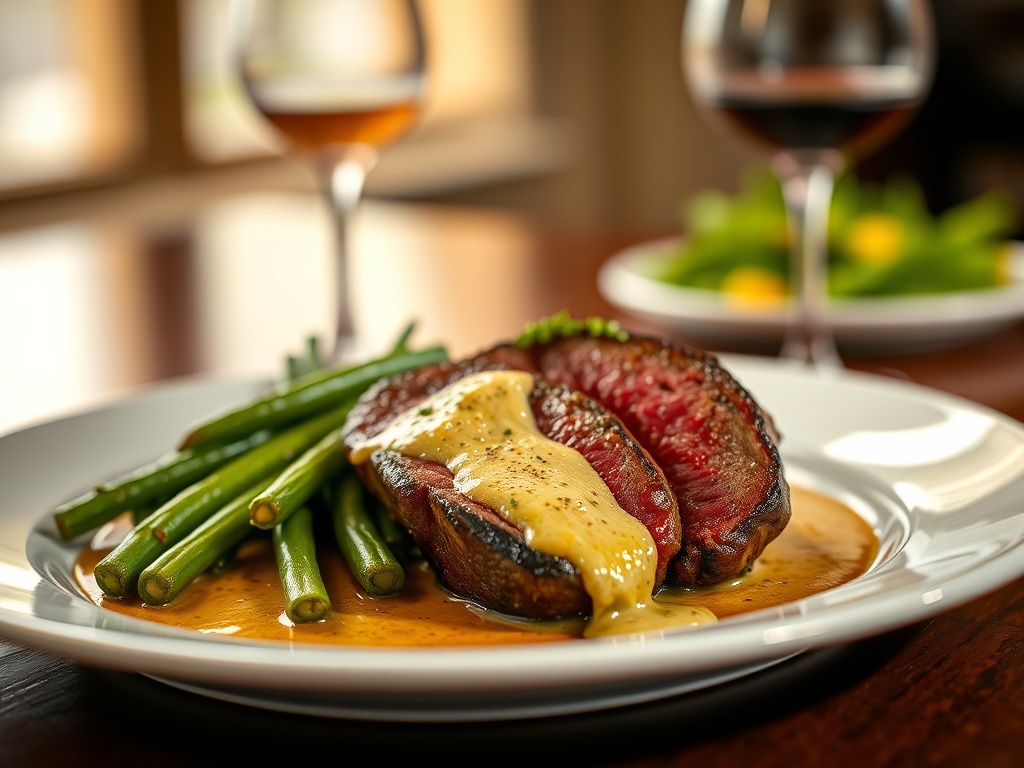
Introduction
There are steak dinners, and then there’s the Ruth’s Chris steak dinner. It’s an experience synonymous with sizzling plates, an intoxicating aroma of garlic and butter, and a perfectly cooked cut of meat that practically melts in your mouth. For many, that distinctive taste and texture remain a cherished memory, a gold standard for what a steakhouse meal should be. The good news? You don’t need a reservation or a hefty bill to recreate that magic. We’re about to demystify the process and bring the iconic Ruth’s Chris Garlic Butter Sirloin Steak experience right into your own kitchen.
This recipe isn’t just about cooking a steak; it’s about understanding the nuances that elevate a good piece of meat to an extraordinary one. We’ll delve into the secrets behind the restaurant’s signature sizzle, the generous application of rich butter, and the techniques for achieving that ideal doneness every single time. Prepare to impress yourself and your dinner guests with a steak that boasts a deep, flavorful crust, a tender, juicy interior, and an irresistible aroma that will have everyone asking for your secret.
Forget the intimidation factor often associated with gourmet cooking. Our step-by-step guide is designed for home cooks of all skill levels, breaking down the process into easily manageable stages. We’ll show you how simple it is to transform a humble sirloin into a luxurious, restaurant-quality masterpiece, proving that accessibility and indulgence can indeed go hand-in-hand. Get ready to unlock the secrets to your best steak dinner yet.
Nutritional Information
Per serving (approximate values):
- Calories: 750
- Protein: 70g
- Carbohydrates: 3g
- Fat: 50g
- Fiber: 0g
- Sodium: 850mg
Ingredients
- 2 sirloin steaks, 1 to 1.5 inches thick (about 12-14 oz each)
- 2 tablespoons high smoke point oil (grapeseed, avocado, or canola)
- 1 teaspoon coarse sea salt
- 1/2 teaspoon freshly ground black pepper
- 1/2 cup (1 stick) unsalted butter, divided
- 4 cloves garlic, minced
- 2 sprigs fresh rosemary
- 2 sprigs fresh thyme
- Pinch of red pepper flakes (optional, for a subtle kick)
Instructions
- Prepare the Steaks: Remove the sirloin steaks from the refrigerator at least 30-60 minutes before cooking to allow them to come closer to room temperature. This promotes more even cooking. Pat both sides of the steaks thoroughly dry with paper towels. This is crucial for achieving a good sear. Season generously on both sides with coarse sea salt and freshly ground black pepper.
- Preheat the Pan: Place a heavy-bottomed skillet, preferably cast iron, over high heat. Allow it to heat for 5-7 minutes until it’s smoking lightly. This ensures the pan is hot enough for a proper sear. Add the high smoke point oil to the hot pan and swirl to coat the bottom.
- Sear the Steaks: Carefully place the seasoned steaks into the hot pan. Do not overcrowd the pan; cook one or two at a time if necessary. Sear undisturbed for 2-3 minutes per side until a deep, golden-brown crust forms.
- Prepare the Garlic Butter Baste: After searing both sides, reduce the heat to medium-low. Add 6 tablespoons of the unsalted butter to the pan. Once the butter is melted and foamy, add the minced garlic, fresh rosemary, and fresh thyme sprigs. If using, add a pinch of red pepper flakes.
- Baste the Steaks: Tilt the pan slightly and, using a large spoon, continuously baste the melted garlic herb butter over the steaks for 3-5 minutes, flipping the steaks once or twice during this process. This infuses the steaks with incredible flavor and helps them cook evenly. For medium-rare, aim for an internal temperature of 125-130°F (52-54°C) while basting. Remember, the temperature will rise during resting.
- Check for Doneness: Use an instant-read meat thermometer inserted into the thickest part of the steak, avoiding bone or gristle, to check for desired doneness.
- Rare: 120-125°F (49-52°C)
- Medium-Rare: 130-135°F (54-57°C)
- Medium: 135-140°F (57-60°C)
Remove the steaks from the pan 5-10 degrees below your target temperature to account for carryover cooking.
- Rest the Steaks: Transfer the steaks to a cutting board. Loosely tent them with aluminum foil and let them rest for 5-10 minutes. This crucial step allows the juices to redistribute throughout the meat, ensuring a tender and juicy result.
- Serve Sizzling: While the steaks are resting, melt the remaining 2 tablespoons of unsalted butter in the same pan over low heat (or in a separate small saucepan). Preheat your serving plates in a warm oven. Once rested, slice the steaks against the grain into thick pieces if desired, or serve whole. Place each steak on a pre-warmed plate and pour the melted butter from the pan (or the freshly melted butter) generously over the top. Serve immediately and enjoy the sizzle!
Cooking Tips and Variations
Achieving that perfect Ruth’s Chris steak at home involves a few key details and some room for personal flair. Here are some tips to ensure your steak is always a showstopper, along with ideas to customize it to your taste.
Tips for Best Results:
- Don’t Skip the Room Temperature Step: This is fundamental for even cooking. A cold steak hitting a hot pan will result in a grey band around the edges and a less tender center.
- Pat, Pat, Pat Dry: Any surface moisture will steam the steak instead of searing it, preventing that beautiful, flavorful crust (Maillard reaction). Use plenty of paper towels.
- Hot Pan is Non-Negotiable: A properly hot pan is the secret to a great sear. If your pan isn’t smoking slightly, it’s not hot enough. Don’t be afraid of the heat!
- Use a Meat Thermometer: While visual cues are helpful, a reliable instant-read thermometer is your best friend for achieving precise doneness, especially when you’re starting out. Insert it into the thickest part of the steak, avoiding any bone.
- The Power of the Rest: This cannot be overstated. Resting allows the muscle fibers to relax and reabsorb juices. Cutting into a steak too soon is the quickest way to lose all that delicious moisture onto your cutting board.
- Season Generously: Steaks can handle a good amount of salt and pepper. Don’t be shy, as much of it will form part of the crust. Season right before cooking to avoid drawing out moisture.
- Clean Pan Between Batches: If cooking multiple steaks, quickly wipe out any burnt bits from the pan with a paper towel (carefully!) before adding fresh oil for the next steak. This prevents bitter flavors from transferring.
Flavor Boosters and Variations:
- Herb Alternatives: While rosemary and thyme are classic, consider other fresh herbs like sage or oregano. You can also add a bay leaf to the basting butter for a subtle earthy note.
- Spice It Up: For a different twist, add a pinch of smoked paprika or a tiny bit of cayenne pepper to your seasoning mix for a smoky or spicier kick.
- Compound Butter Finish: Instead of just melted butter, consider making a simple compound butter in advance. Mix softened butter with additional minced garlic, finely chopped fresh parsley, chives, and a squeeze of lemon juice. Dollop a tablespoon of this flavorful butter over the hot, rested steak before serving.
- Shallot Infusion: Sauté finely minced shallots with the garlic in the butter for an added layer of delicate onion flavor.
- Wine or Broth Deglaze: After basting, remove the steaks and add a splash of red wine or beef broth to the hot pan, scraping up any browned bits. Reduce slightly and pour this flavorful pan sauce over the steaks.
- Gourmet Salt Finish: A sprinkle of flaky sea salt (like Maldon) just before serving adds a lovely textural crunch and bursts of briny flavor.
Storage and Reheating
While this garlic butter sirloin steak is undeniably best enjoyed fresh off the pan, sometimes leftovers happen. Here’s how to store and reheat them to maintain as much of that delicious flavor and texture as possible.
Storage:
- Cool Completely: Allow any leftover steak to cool completely to room temperature before storing. This prevents condensation from building up, which can make the steak soggy.
- Airtight Container: Transfer the cooled steak to an airtight container. If you have extra garlic butter, you can pour a little over the steak before sealing.
- Refrigerate Promptly: Store the steak in the refrigerator for up to 3-4 days.
Reheating:
Reheating steak can be tricky, as it’s easy to overcook it and make it tough. The goal is to gently warm it through without losing moisture or developing a rubbery texture. Avoid the microwave if at all possible, as it tends to dry out steak and make it chewy.
- Oven Method (Recommended):
- Preheat your oven to a low temperature, around 250°F (120°C).
- Place the leftover steak on a wire rack set inside a baking sheet. This allows for even heating and prevents the bottom from getting soggy.
- Add a tablespoon or two of beef broth or water to the bottom of the baking sheet to create a little steam, which helps keep the steak moist.
- Heat for 15-25 minutes, or until the internal temperature reaches your desired level of warmth (around 100-110°F / 38-43°C for a gently warmed steak).
- For a revived crust, you can quickly sear the warmed steak in a hot skillet with a tiny bit of fresh butter for 30-60 seconds per side after removing it from the oven.
- Skillet Method:
- Heat a heavy-bottomed skillet over medium-low heat.
- Add a small amount of butter or oil to the pan.
- Once hot, add the steak and cook for 2-4 minutes per side, or until gently warmed through. Be careful not to let the pan get too hot, as this will quickly overcook the steak. This method is best for thinner slices of steak.
Frequently Asked Questions
What kind of sirloin is best for this recipe?
For this recipe, look for a good quality top sirloin steak that is 1 to 1.5 inches thick. While sirloin is a leaner cut than some others, try to choose one with some visible marbling (streaks of fat) as this contributes significantly to flavor and tenderness. Grass-fed or locally sourced options often offer superior taste.
Can I use other cuts of steak with this method?
Absolutely! This pan-searing and butter-basting method works beautifully with other steakhouse favorites. Ribeye, New York strip, and even filet mignon would be excellent choices. Adjust cooking times based on the thickness and fat content of the cut. For very lean cuts like filet, the generous butter basting is even more crucial.
My steak isn’t getting a good crust. What am I doing wrong?
The most common culprits for a lack of crust are insufficient pan heat and moisture on the steak. Ensure your pan is screaming hot and smoking lightly before adding the steak. Also, make sure you’ve thoroughly patted the steak dry with paper towels. Any moisture on the surface will steam the steak instead of searing it. Don’t overcrowd the pan, as this lowers the pan’s temperature.
How do I know when my steak is medium-rare without a thermometer?
While a meat thermometer is always recommended for accuracy, you can use the “hand test” as a rough guide. Touch the pad of your thumb to the pad of your middle finger; the fleshy part below your thumb will feel similar to a medium-rare steak. For this recipe, after searing both sides, the basting time is typically 3-5 minutes for a 1 to 1.5-inch thick sirloin to reach medium-rare, assuming it started at room temperature.