Introduction
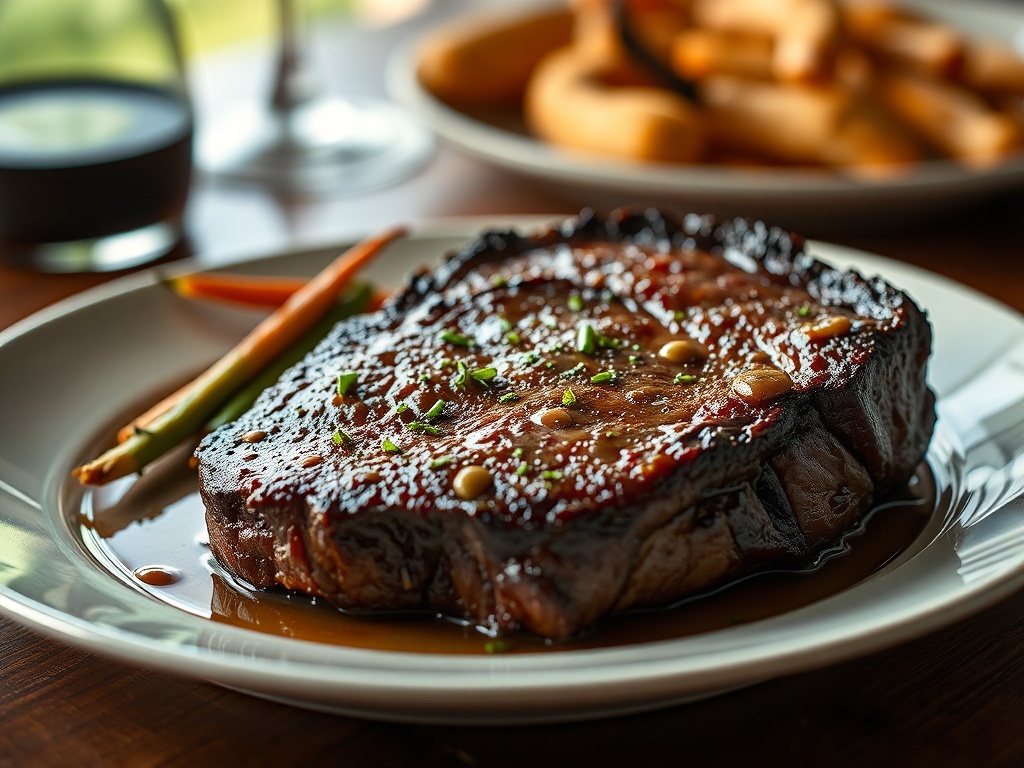
Imagine the anticipation: the unmistakable sizzle echoing from a cast-iron platter, the rich, buttery aroma filling the air, and then, the moment of truth – a perfectly cooked, thick-cut steak, its exterior a symphony of caramelized crust and its interior a tender, juicy, medium-rare marvel. This isn’t just any steak; this is the legendary Ruth’s Chris Cowboy Ribeye, a culinary icon that has defined the high-end steakhouse experience for decades. Known for its incredible flavor and flawless execution, this bone-in behemoth is more than just a meal; it’s an event, a declaration of indulgence that leaves an indelible mark on your palate.
The allure of the Cowboy Ribeye lies in its inherent characteristics: a generously thick cut of bone-in ribeye, boasting exceptional marbling that melts into every fiber during cooking, imparting unparalleled juiciness and a depth of beefy flavor. Ruth’s Chris Steak House elevated this cut to an art form, perfecting a high-heat broiling method that creates that signature crust while ensuring a tender, succulent interior. While venturing to a Ruth’s Chris location is always a treat, the promise we bring you today is even more exciting: the ability to recreate this extraordinary steakhouse experience right in your own kitchen. With the right knowledge and techniques, you can master the art of the Cowboy Ribeye, transforming your home into a gourmet destination.
This comprehensive guide will demystify the process, from selecting the ideal cut to executing the perfect sear and finish. We’ll delve into the secrets behind Ruth’s Chris’s success, adapting their intense heat method for home cooks, ensuring that every bite delivers that unforgettable, buttery, beefy perfection. Prepare to impress your family and friends, because by the end of this article, you’ll be confidently crafting a steak that rivals the very best, proving that the ultimate steakhouse experience is just a few steps away.
Nutritional Information
Per serving (approximate values for 1/2 of a 2.5lb steak):
- Calories: 1100-1300
- Protein: 100-120g
- Carbohydrates: 0g
- Fat: 80-100g
- Fiber: 0g
- Sodium: 800-1200mg
Ingredients
- 1 (2-2.5 lb) bone-in Cowboy Ribeye, 1.5-2 inches thick, well-marbled
- 2-3 tablespoons Kosher salt (adjust to taste, but be generous)
- 1-1.5 tablespoons freshly ground black pepper (adjust to taste)
- 1-2 tablespoons high smoke point oil (e.g., avocado oil, grapeseed oil)
- 2-3 tablespoons unsalted butter
- Optional: 2 sprigs fresh rosemary or thyme
- Optional: 2-3 cloves garlic, smashed
Instructions
- Bring Steak to Room Temperature: Remove the Cowboy Ribeye from the refrigerator at least 30-60 minutes (up to 2 hours for very thick cuts) before cooking. This allows for more even cooking.
- Prepare the Steak: Thoroughly pat the steak dry on all sides using paper towels. This is a crucial step for achieving a proper sear.
- Season Generously: Season all surfaces of the steak liberally with Kosher salt and freshly ground black pepper. Don’t be shy; thick steaks can handle a lot of seasoning.
- Preheat Oven/Broiler (if using): If you plan to finish the steak in the oven or use the broiler for searing, preheat your oven to 450°F (232°C) or your broiler to high. Position an oven rack about 4-6 inches from the broiler element.
- Heat the Pan: Place a heavy-bottomed cast iron skillet or other oven-safe, heavy-duty pan over high heat on your stovetop. Heat the pan until it is screaming hot and just beginning to smoke (4-8 minutes). Add the high smoke point oil to the hot pan and swirl to coat the bottom.
- Sear the Steak: Carefully place the seasoned ribeye into the hot pan. Sear undisturbed for 3-4 minutes per side, pressing down gently with tongs to ensure full contact with the pan. You’re looking for a deep, dark brown crust. Sear the fatty edges by holding the steak with tongs for about 1-2 minutes until beautifully rendered and browned.
- Add Butter and Aromatics (Optional): Reduce the stovetop heat to medium-low. Add the butter to the pan. If using, add rosemary/thyme sprigs and smashed garlic cloves. Tilt the pan and, using a spoon, continuously baste the melting butter over the steak for 1-2 minutes.
- Finish Cooking (Oven Method): If finishing in the oven, transfer the pan (with butter and aromatics) directly to the preheated 450°F oven. Cook for an additional 5-10 minutes, or until it reaches your desired internal temperature (see internal temperature guide below).
- Finish Cooking (Broiler Method – for an intense crust): Alternatively, after searing both sides on the stovetop, transfer the steak to an oven-safe wire rack set over a baking sheet. Place the baking sheet under the preheated broiler. Broil for 2-4 minutes per side, watching very closely to prevent burning, until the desired crust and internal temperature are achieved.
- Monitor Internal Temperature: Use an instant-read meat thermometer inserted into the thickest part of the steak, avoiding the bone, to monitor doneness. Remember that the temperature will rise by 5-10°F during resting (carryover cooking).
- Rare: Remove at 115-120°F (final 120-125°F)
- Medium-Rare: Remove at 125-130°F (final 130-135°F)
- Medium: Remove at 130-135°F (final 135-140°F)
- Rest the Steak: Once the steak reaches your desired temperature, immediately transfer it to a cutting board. Tent loosely with foil and let it rest for a minimum of 10-15 minutes (up to 20 minutes for very thick cuts). This allows the juices to redistribute throughout the meat, ensuring a tender and moist steak.
- Slice and Serve: After resting, slice the steak against the grain into thick, generous portions. Optionally, spoon the pan juices (with melted butter and aromatics) over the sliced steak. Serve immediately.
Cooking Tips and Variations
The “Screaming Hot” Pan is Key: Don’t underestimate the importance of heating your pan until it’s just about smoking. This intense heat is what creates the Maillard reaction, developing that deep, flavorful crust characteristic of a steakhouse steak. If your pan isn’t hot enough, the steak will steam rather than sear, resulting in a gray, less flavorful exterior.
Pat, Pat, Pat Dry: Moisture is the enemy of a good sear. Any surface moisture on your steak will lower the pan’s temperature and create steam, preventing that beautiful crust from forming. Use plenty of paper towels and ensure your steak is as dry as possible before it hits the pan.
Seasoning Generously: A thick Cowboy Ribeye can handle a significant amount of salt and pepper. Much of the seasoning will fall off during cooking, and the sheer volume of meat requires ample seasoning to penetrate and flavor the interior. Err on the side of bold seasoning.
Don’t Forget the Edges: Use tongs to hold the steak on its fatty edges for a minute or two during the searing process. This renders down some of the fat, creating more flavor and a crispier bite.
Invest in an Instant-Read Thermometer: This is the single most important tool for cooking perfect steak every time. Relying on touch alone is unreliable, especially for thick cuts. A good instant-read thermometer takes all the guesswork out of achieving your desired doneness.
The Power of Resting: This step is non-negotiable! Resting allows the muscle fibers to relax and reabsorb the juices that have migrated to the center during cooking. If you cut into the steak too soon, all those delicious juices will spill out onto your cutting board, leaving you with a drier steak. Patience is a virtue here.
Consider a Compound Butter Finish: While Ruth’s Chris is known for its simple butter finish, you can elevate your steak further by making a compound butter. Mix softened butter with minced garlic, fresh herbs (rosemary, thyme, chives), and a pinch of black pepper. Place a dollop on the hot, rested steak before serving for an extra layer of flavor.
Grill Adaptation: If you prefer grilling, preheat your grill to its highest setting. Sear the steak over direct high heat for 3-4 minutes per side, then move to indirect heat to finish cooking until it reaches your desired internal temperature. A good grill grate can replicate the intense heat needed for a great sear.
Reverse Sear Method (Alternative): For ultimate precision, especially with very thick steaks (2+ inches), consider the reverse sear. Bake the seasoned steak in a low oven (250°F / 120°C) until it’s about 10-15°F below your target final temperature. Then, transfer to a screaming hot cast iron pan (or grill) for a quick, intense sear on both sides to develop the crust. This method results in an incredibly even cook from edge to edge.
Storage and Reheating
Storage: To store leftover Cowboy Ribeye, allow the steak to cool completely to room temperature (no more than 2 hours). Wrap it tightly in plastic wrap or aluminum foil, or place it in an airtight container. Store in the refrigerator for up to 3-4 days.
Reheating: Reheating steak can be tricky, as it’s easy to overcook and dry it out. The goal is to gently warm it without cooking it further.
- Oven Method (Best for Slices): Preheat your oven to a low temperature, around 250°F (120°C). Place leftover slices of steak on a wire rack set over a baking sheet. Heat for 10-15 minutes, or until just warmed through. This method helps prevent the steak from getting soggy.
- Skillet Method (Best for Single Portions): Heat a cast iron skillet over medium-low heat. Add a tiny bit of oil or butter. Once warm, add the steak and heat for 2-3 minutes per side, just until warmed through. Be careful not to let the pan get too hot.
- Sous Vide Method (Ideal): If you have a sous vide immersion circulator, this is the best way to reheat steak without drying it out. Vacuum seal the leftover steak (or place in a Ziploc bag using the water displacement method) and immerse it in a water bath set to 120-130°F (49-54°C) for 30-60 minutes, or until heated through. You can then quickly sear it again in a hot pan for 30 seconds per side to refresh the crust.
- Avoid Microwave: While convenient, the microwave is generally not recommended for reheating steak as it tends to overcook the meat quickly and leave it with a rubbery texture.
Frequently Asked Questions
What makes a “Cowboy Ribeye” different from a regular Ribeye?
A Cowboy Ribeye is essentially a bone-in ribeye, but it’s typically a thicker cut (1.5-2 inches or more) and often has a “frenched” bone, meaning the meat has been trimmed away to expose a clean portion of the rib bone. The bone adds flavor and helps insulate the meat during cooking, contributing to a juicier steak. The thickness is key for achieving a deep crust while maintaining a perfectly cooked interior.
Why is bringing the steak to room temperature so important?
Allowing the steak to come closer to room temperature before cooking helps ensure a more even cook from edge to edge. If you put a cold steak directly into a hot pan, the outside will cook much faster than the inside, leading to a “bullseye” effect where the edges are overcooked and the center is still cold or undercooked. Tempering the steak minimizes this temperature differential, allowing for a more consistent doneness throughout.
How do I get that signature “sizzle” like Ruth’s Chris?
The famous Ruth’s Chris sizzle comes from serving their steaks on extremely hot, buttered plates. To replicate this at home, you can heat your serving platter or cast iron skillet in the oven while the steak rests. Just before serving, melt 1-2 tablespoons of unsalted butter in the hot platter/skillet, then immediately place the sliced, rested steak onto it. The hot butter will create that characteristic sizzle and aroma, enhancing the steakhouse experience.
Can I use a grill instead of a stovetop and oven?
Absolutely! A grill, especially a high-heat charcoal grill, can produce fantastic results and replicate some of the intense heat of a steakhouse broiler. Preheat your grill to high. Sear the Cowboy Ribeye over direct high heat for 3-4 minutes per side to develop a deep crust. Then, move the steak to indirect heat (or lower the flame) and close the lid to finish cooking until it reaches your desired internal temperature. This two-zone cooking method on a grill is very effective for thick steaks.