Introduction
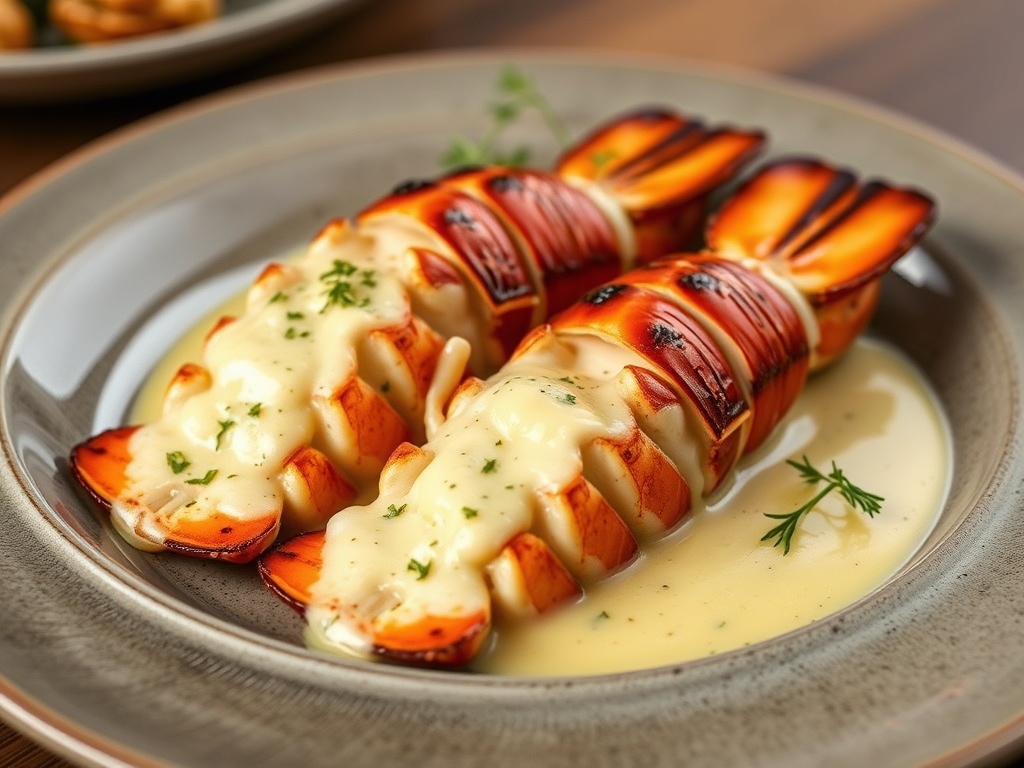
There are few culinary delights that evoke a sense of luxury and indulgence quite like lobster. Its tender, sweet meat, often reserved for special occasions, has a way of transforming an ordinary meal into an unforgettable experience. But what if we told you that creating an impressive lobster dish at home doesn’t require a trip to a fancy restaurant or hours spent in the kitchen? Enter our recipe for Broiled Lobster Tails in Creamy Garlic Butter – a dish that marries the opulent taste of lobster with the irresistible allure of a rich, aromatic sauce, all made accessible through a simple, yet incredibly effective cooking method.
This recipe shines because it leverages the magic of broiling. Broiling offers a rapid, high-heat cooking environment that’s perfect for lobster tails, ensuring they cook quickly and evenly while developing a beautiful, slightly charred exterior. This method locks in the natural sweetness of the lobster, preventing it from becoming tough or rubbery, a common fear for home cooks. But the true star alongside the lobster is the creamy garlic butter. This decadent sauce, infused with fragrant garlic and enriched with heavy cream, not only keeps the lobster moist and flavorful but also provides a luxurious coating that’s utterly addictive. It’s a flavor combination designed to impress, making this dish ideal for romantic date nights, celebratory dinners, or simply when you want to treat yourself to something extraordinary without the fuss.
Forget the intimidation factor often associated with preparing seafood. Our step-by-step guide is designed to empower you to create a restaurant-quality meal with confidence. We’ll show you how to perfectly butterfly a lobster tail for optimal cooking and presentation, whip up that luscious garlic butter, and broil your way to perfection. Get ready to elevate your home dining experience and discover just how easy it is to enjoy the unparalleled taste of Broiled Lobster Tails in Creamy Garlic Butter.
Nutritional Information
Per serving (approximate values):
- Calories: 450
- Protein: 25g
- Carbohydrates: 3g
- Fat: 38g
- Fiber: 0g
- Sodium: 400mg
Ingredients
- 4-6 frozen or fresh lobster tails (4-6 oz each)
- 1/2 cup (1 stick) unsalted butter
- 4-5 cloves garlic, minced
- 1/4 cup heavy cream (or half-and-half for a lighter option)
- 2 tablespoons fresh parsley, chopped (plus extra for garnish)
- 1 lemon, cut into wedges, for serving
- 1/2 teaspoon salt, or to taste
- 1/4 teaspoon freshly ground black pepper, or to taste
- Optional: 1/4 teaspoon paprika (for color)
- Optional: 1/8 teaspoon red pepper flakes (for a subtle kick)
Instructions
- Thaw Lobster Tails (if frozen): If using frozen lobster tails, transfer them to the refrigerator 12-24 hours before cooking to thaw slowly. For quicker thawing, place tails in a sealed plastic bag and submerge in a bowl of cold water, changing the water every 30 minutes until thawed (this usually takes 30-60 minutes). Once thawed, pat the lobster tails thoroughly dry with paper towels.
- Prepare the Lobster Tails (Butterfly Method): Using sharp kitchen shears, cut down the center of the top (hard) shell of each lobster tail, from the wide end down to the base of the tail fin. Be careful not to cut through the meat. Gently open the shell and, using your fingers, carefully loosen the raw lobster meat from the shell, keeping it attached at the very end of the tail fin. Lift the meat up and out, resting it on top of the cut shell. This “piggyback” method allows for even cooking and a beautiful presentation. If there’s a visible dark vein (intestinal tract), gently pull it out and discard. Rinse the prepared tails under cold water and pat them completely dry again.
- Preheat the Broiler: Position an oven rack about 6-8 inches from the broiler element. Preheat your broiler to high (usually 450-500°F or 230-260°C). Line a broiler pan or a baking sheet with a rack with foil for easy cleanup. Arrange the prepared lobster tails on the rack.
- Prepare the Creamy Garlic Butter: In a small saucepan, melt the unsalted butter over medium-low heat. Add the minced garlic and sauté for 1-2 minutes until fragrant, being careful not to let it brown. Stir in the heavy cream (and optional paprika/red pepper flakes, if using). Bring the mixture to a gentle simmer, then reduce heat to low and continue to simmer for 2-3 minutes, allowing the sauce to thicken slightly. Season with salt and freshly ground black pepper to taste. Remove from heat and stir in the chopped fresh parsley.
- Brush and Broil: Generously brush the exposed lobster meat with a good amount of the creamy garlic butter. Reserve some of the butter for serving.
- Broil to Perfection: Place the broiler pan with the lobster tails under the preheated broiler. Broil for 6-10 minutes, depending on the size of your tails, or until the meat turns opaque white and firm. The internal temperature should reach 140-145°F (60-63°C) when measured with a meat thermometer at the thickest part of the tail. Keep a close eye on them, as broilers can vary, and lobster cooks very quickly. Avoid overcooking, which can lead to tough, rubbery meat.
- Rest and Serve: Once cooked, remove the lobster tails from the broiler. Let them rest for 1-2 minutes. Garnish with additional fresh parsley and serve immediately with lemon wedges and the remaining creamy garlic butter on the side for dipping.
Cooking Tips and Variations
Don’t Be Afraid to Butterfly: The butterfly method might seem intimidating at first, but it’s crucial for both even cooking and that impressive presentation. Take your time with the shears and remember to only cut through the top shell, not the meat itself. Lifting the meat gently and patting it dry ensures it absorbs the butter sauce beautifully.
Fresh Garlic is Key: While garlic powder can work in a pinch, fresh minced garlic provides an unparalleled aromatic depth to the creamy butter sauce. Its pungent, sweet notes are essential to the dish’s irresistible flavor profile. Sautéing it gently before adding the cream helps to mellow its sharpness and bring out its best qualities.
Keep an Eye on the Broiler: Broiling is a high-heat, fast-cooking method, which means things can go from perfectly cooked to burned in a matter of seconds. Stay near your oven and check on the lobster frequently, especially if you’re new to broiling. The exact cooking time will depend on your broiler’s strength and the distance of the rack from the heating element. Visual cues – opaque white meat – are your best friend here.
Don’t Overcook: This is the golden rule for lobster. Overcooked lobster becomes tough and rubbery, losing its delicate texture. Aim for that 140-145°F internal temperature for optimal tenderness. If you don’t have a thermometer, look for the meat to be completely opaque white throughout.
Adjust Broiler Rack Position: If you want a more golden-brown, slightly charred exterior, place the rack closer to the broiler element. For a gentler cook, move it a bit further away. Experiment to find what works best with your oven.
Enhance the Creamy Garlic Butter:
- Wine Infusion: Add a splash (1-2 tablespoons) of dry white wine, like Chardonnay or Sauvignon Blanc, to the garlic butter after sautéing the garlic, letting it reduce slightly before adding the cream. This adds another layer of sophistication to the sauce.
- Cheesy Twist: A sprinkle of finely grated Parmesan cheese (about 1-2 tablespoons) melted into the creamy garlic butter can add a delicious savory, umami note.
- Herb Variations: While parsley is classic, experiment with other fresh herbs. A touch of fresh chives or dill can complement the lobster beautifully.
- Spicy Kick: If you love a little heat, increase the amount of red pepper flakes or add a tiny pinch of cayenne pepper to the butter sauce.
Consider a Quick Chill for Frozen Tails: If you’re in a real rush to thaw frozen tails, after submerging them in cold water, you can add a few ice cubes to the water. This helps keep the water cold and prevents the exterior of the lobster from warming up too much while the interior thaws.
Storage and Reheating
Storage: While broiled lobster is best enjoyed immediately for optimal flavor and texture, leftovers can be stored. Allow any leftover lobster tails to cool completely to room temperature. Transfer them to an airtight container and store in the refrigerator for up to 1-2 days. The creamy garlic butter sauce can also be stored separately in an airtight container in the refrigerator for the same duration.
Reheating: Reheating lobster can be tricky, as it’s very easy to overcook it and turn it rubbery. The best method is gentle reheating:
- Oven Method (Recommended): Preheat your oven to 275°F (135°C). Place the lobster tails on a baking sheet. You can add a tablespoon of water or a pat of butter to the tray and cover loosely with foil to help retain moisture. Heat for 5-7 minutes, or until just warmed through. Avoid heating until sizzling.
- Stovetop Method (for meat removed from shell): If you’ve removed the meat from the shell, you can gently reheat it in a small pan over low heat with a little extra butter or a tablespoon of the reserved creamy garlic butter sauce, stirring frequently until just warmed.
- Avoid Microwaving: Microwaving is generally not recommended for reheating lobster, as it can quickly dry out the meat and make it tough and chewy.
Remember, reheated lobster will likely not have the exact same tender texture as freshly cooked. It’s often better to repurpose leftover lobster meat into dishes where its texture isn’t the primary focus, such as a lobster salad, a creamy pasta dish, or a seafood bisque.
Frequently Asked Questions
What kind of lobster tails should I buy for this recipe?
This recipe works well with both warm-water and cold-water lobster tails, typically ranging from 4 to 6 ounces each. Warm-water tails (like those from the Caribbean or Florida) are often more readily available frozen and are usually a bit more affordable. Cold-water tails (like Maine or Canadian lobster) are often considered sweeter and more tender. Look for tails that are firm, intact, and free from any discoloration. For frozen tails, ensure the packaging is sealed and there are no signs of freezer burn.
Can I prepare the creamy garlic butter ahead of time?
Yes, you can definitely prepare the creamy garlic butter a day in advance. After cooking, let it cool completely, then store it in an airtight container in the refrigerator. When you’re ready to use it, gently rewarm it in a small saucepan over low heat, stirring occasionally, until it’s melted and smooth. You might need to add a tiny splash of cream or milk if it seems too thick after chilling.
Why is my lobster meat sticking to the shell after broiling?
There are a few reasons why lobster meat might stick to the shell. One common cause is overcooking, which can make the meat seize up and adhere more firmly. Another factor can be not adequately loosening the meat from the shell during the butterflying process. Ensure you run your fingers carefully around the inside of the shell to separate the meat before lifting it. If it still sticks a bit, gently use a small spoon or fork to help pry it away from the shell, starting from the cut edges.
What are some good side dishes to serve with broiled lobster tails?
Classic pairings include asparagus, roasted potatoes, rice pilaf, or a simple green salad with a light vinaigrette. The richness of the lobster and creamy garlic butter pairs beautifully with fresh, crisp vegetables or a starchy side to soak up the delicious sauce. Crusty bread is also a must for dipping! For drinks, a crisp white wine like Chardonnay (oaked or unoaked), Sauvignon Blanc, or Pinot Grigio complements the seafood perfectly. Non-alcoholic options like sparkling water with lemon or iced tea also work wonderfully.