Introduction
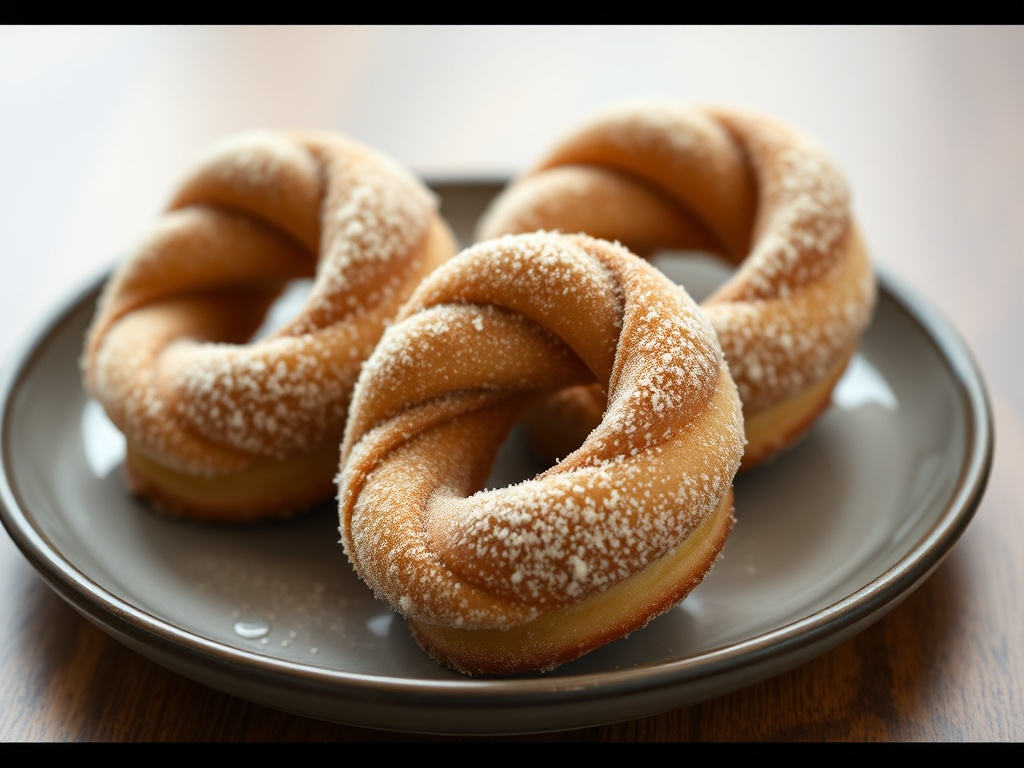
Imagine the warm, comforting aroma of cinnamon and sugar wafting through your kitchen, drawing you in with its irresistible promise. That’s the magic of homemade Cinnamon Sugar Twist Donuts. These delightful treats are a symphony of textures and flavors: a fluffy, tender interior encased in a perfectly golden, slightly crisp exterior, all generously coated in a sweet, spiced sugar blend. Each bite offers a comforting warmth, a delicate chew, and that quintessential sugary crunch that makes them utterly addictive. They’re not just a pastry; they’re a moment of pure, unadulterated joy, perfect for elevating any breakfast, brunch, or dessert.
What makes these twist donuts truly special is the satisfying experience of making them from scratch. While store-bought donuts can be good, nothing compares to the freshness, the incredible lightness, and the personalized touch of a homemade batch. You control the quality of the ingredients, ensuring each twist is a testament to your culinary care. The simple act of kneading the dough, watching it rise, and then transforming it into these beautiful twisted shapes is incredibly rewarding. Plus, the process itself is a lovely way to spend an afternoon, culminating in a warm, fresh treat that brings smiles to everyone around your table.
Donuts, in their many forms, have a rich history spanning centuries and cultures, with origins tracing back to various fried dough preparations around the world. From Dutch “oliekoeken” to German “Berliner Pfannkuchen,” the concept of a sweet, fried dough has captivated palates for generations. Our Cinnamon Sugar Twist Donuts pay homage to this delicious heritage, offering a modern take on a classic comfort food. The unique twist shape not only adds visual appeal but also creates more surface area for that glorious cinnamon-sugar coating, ensuring every part of the donut delivers maximum flavor. They are an inviting, encouraging, and slightly nostalgic treat that promises to become a beloved staple in your home.
Nutritional Information
Per serving (approximate values):
- Calories: 320 kcal
- Protein: 5g
- Carbohydrates: 40g
- Fat: 16g
- Fiber: 1g
- Sodium: 250mg
Ingredients
- 1 cup (240ml) whole milk, warmed to 105-115°F (40-46°C)
- 2¼ teaspoons (7g) active dry yeast (one standard packet)
- ¼ cup (50g) granulated sugar, plus ½ cup (100g) for coating
- 1 large egg, room temperature
- 2 tablespoons (28g) unsalted butter, melted and cooled slightly
- ½ teaspoon vanilla extract
- ½ teaspoon salt
- 3 cups (360g) all-purpose flour, plus more for dusting
- 1 teaspoon ground cinnamon, plus 2 tablespoons for coating
- 6-8 cups neutral frying oil (such as canola, vegetable, or peanut oil), for frying
Instructions
- Activate the Yeast: In the bowl of a stand mixer fitted with the dough hook attachment (or a large mixing bowl), combine the warmed milk, active dry yeast, and 1 teaspoon of the ¼ cup granulated sugar. Stir gently and let sit for 5-10 minutes, or until foamy. This indicates the yeast is active.
- Prepare the Dough: To the yeast mixture, add the remaining granulated sugar (from the ¼ cup), the egg, melted butter, vanilla extract, and salt. Mix on low speed until combined. Gradually add the all-purpose flour, one cup at a time, mixing until a shaggy dough forms.
- Knead the Dough: Increase the mixer speed to medium-low and knead for 5-7 minutes, or until the dough is smooth, elastic, and pulls away from the sides of the bowl. If kneading by hand, turn the dough out onto a lightly floured surface and knead for 8-10 minutes. The dough should be slightly sticky but manageable.
- First Rise: Lightly grease a large bowl with a little oil. Place the dough in the bowl, turning once to coat. Cover the bowl tightly with plastic wrap or a clean kitchen towel. Let the dough rise in a warm, draft-free place for 1 to 1½ hours, or until it has doubled in size.
- Prepare the Shaping Station: While the dough is rising, prepare your workstation for shaping. Lightly flour a large surface. Line a baking sheet with parchment paper.
- Shape the Twists: Once the dough has doubled, gently punch it down to release the air. Turn the dough out onto your lightly floured surface. Roll the dough into a rectangle approximately 12×18 inches (30×45 cm) and about ¼ inch (0.6 cm) thick.
- Using a sharp knife or a pastry wheel, cut the dough into strips about ¾ inch (2 cm) wide and 8-10 inches (20-25 cm) long. Take one strip, hold both ends, and gently twist it several times in opposite directions. Place the twisted strip onto the prepared baking sheet. Repeat with the remaining dough strips.
- Second Rise (Proofing): Loosely cover the shaped twists on the baking sheet with plastic wrap or a clean kitchen towel. Let them rise in a warm, draft-free place for another 30-45 minutes, or until they look puffy and have visibly increased in size. Do not let them over-proof, as this can lead to a less tender donut.
- Prepare for Frying: While the twists are proofing, prepare your frying station. In a large, heavy-bottomed pot or Dutch oven, pour in enough neutral frying oil to reach a depth of 3-4 inches (7-10 cm). Attach a deep-fry thermometer to the side of the pot. Heat the oil over medium heat until it reaches 350°F (175°C).
- Prepare the Coating: In a shallow dish or pie plate, combine the ½ cup granulated sugar and 2 tablespoons ground cinnamon. Stir well to ensure the cinnamon is evenly distributed.
- Fry the Donuts: Carefully lower 2-3 twists into the hot oil, being careful not to overcrowd the pot. Fry for 1-2 minutes per side, or until golden brown and cooked through. Use a slotted spoon or spider to gently flip the twists. Maintain the oil temperature as consistently as possible.
- Drain and Coat: Once golden brown, remove the fried twists from the oil with the slotted spoon, allowing any excess oil to drip off. Immediately transfer them to the cinnamon-sugar mixture. Roll them gently to coat thoroughly on all sides.
- Cool and Serve: Place the coated twists on a wire rack set over a baking sheet to cool slightly. Repeat the frying and coating process with the remaining dough. Serve the Cinnamon Sugar Twist Donuts warm for the best flavor and texture.
Cooking Tips and Variations
For the fluffiest, most tender results, ensure your milk is at the correct temperature for activating the yeast; too hot will kill it, too cold will inhibit it. Room temperature ingredients (egg, butter) also contribute to a smoother dough and better rise. When kneading, resist the urge to add too much flour, as this can make the donuts tough. The dough should be slightly sticky but manageable. A stand mixer simplifies the kneading process, but hand-kneading is perfectly achievable and can be a therapeutic experience. The key to successful frying is precise oil temperature. Invest in a good deep-fry thermometer and monitor it constantly. If the oil is too cool, your donuts will absorb too much oil and be greasy. If it’s too hot, they’ll brown too quickly on the outside and remain raw in the middle. Fry in small batches to prevent the oil temperature from dropping significantly. Don’t rush the rising times; patience is a virtue when working with yeast dough.
These Cinnamon Sugar Twist Donuts are incredibly versatile. For a citrusy twist, add 1 tablespoon of finely grated orange or lemon zest to the dough along with the wet ingredients. You could also mix some zest into the cinnamon-sugar coating for an extra bright flavor. If you prefer a glazed donut, skip the cinnamon sugar coating and instead, while the donuts are still warm, dip them in a simple glaze made from 2 cups powdered sugar, 3-4 tablespoons milk, and ½ teaspoon vanilla extract, whisked until smooth. For a richer glaze, you can melt 2 tablespoons of butter into the milk before whisking. For chocolate lovers, a chocolate glaze made with melted chocolate and a touch of cream would be divine. You can also experiment with different spices in the sugar coating, such as a pinch of nutmeg or cardamom for a more complex aroma. For bite-sized treats, simply cut the dough strips shorter before twisting.
Storage and Reheating
Cinnamon Sugar Twist Donuts are always best enjoyed fresh and warm on the day they are made. The delicate texture and crisp coating are at their peak shortly after frying. However, if you have leftovers, you can store them at room temperature in an airtight container for up to 1-2 days. Be aware that the coating may become slightly less crisp over time, and the donuts will lose some of their initial softness. To prevent them from drying out, you might want to place a piece of parchment paper between layers if stacking.
Reheating these donuts is simple and can bring back some of their fresh appeal. To reheat, place them on a baking sheet and warm them in a preheated oven at 300°F (150°C) for about 5-7 minutes, or until just warmed through. Alternatively, you can pop them in a toaster oven for a few minutes. Avoid reheating in the microwave, as this tends to make them chewy and can cause the coating to melt unevenly. If the coating has become sticky or absorbed, you can always re-roll them in a fresh batch of cinnamon sugar after reheating for a renewed burst of flavor and texture.
Frequently Asked Questions
My donuts are greasy, what went wrong?
Greasy donuts are almost always a sign that your frying oil was not hot enough. When the oil temperature is too low, the dough absorbs the oil instead of quickly cooking and forming a barrier. Ensure your oil is consistently at 350°F (175°C) using a deep-fry thermometer, and don’t overcrowd the pot, as this can lower the oil temperature.
Why didn’t my dough rise?
There are a few common culprits for dough that doesn’t rise. The most likely reason is dead or inactive yeast. Make sure your yeast is fresh and that your milk is warmed to the correct temperature (105-115°F or 40-46°C); milk that’s too hot will kill the yeast, and milk that’s too cold won’t activate it. Also, ensure your dough is rising in a warm, draft-free environment.
Can I bake these donuts instead of frying them?
While you can technically bake yeast dough in a donut shape, the result will be more like a sweet roll or bun rather than a traditional donut. The texture and flavor will be significantly different, as baking doesn’t achieve the crisp exterior and tender, slightly chewy interior that frying provides. For an authentic Cinnamon Sugar Twist Donut experience, frying is essential.
Can I prepare the dough ahead of time?
Yes, you can prepare the dough the day before. After the first rise, gently punch down the dough, cover the bowl tightly with plastic wrap, and refrigerate it overnight. The cold will slow down the yeast activity. The next day, remove the dough from the refrigerator and let it come to room temperature for about 30-60 minutes before proceeding with shaping and the second rise.