Instructions
- Prepare the Potatoes: Place the peeled and quartered potatoes in a large pot. Cover with cold water, ensuring the water level is at least an inch above the potatoes. Add a generous pinch of salt to the water.
- Boil the Potatoes: Bring the water to a boil over high heat. Once boiling, reduce the heat to medium and simmer for 15-20 minutes, or until the potatoes are fork-tender. A fork should easily slide into the center of a potato without resistance.
- Drain and Dry: Drain the potatoes thoroughly in a colander. Return the drained potatoes to the empty pot. Place the pot back on the stovetop over low heat for 1-2 minutes to allow any excess moisture to evaporate. This step is crucial for preventing watery mashed potatoes.
- Melt Half the Butter: Remove the pot from the heat. Add 1/4 cup (1/2 stick) of the butter to the warm potatoes. Allow the butter to melt slightly from the residual heat.
- Mash the Potatoes: Using a potato ricer or a potato masher, mash the potatoes until smooth. Avoid overmixing, as this can lead to gummy potatoes. If using a masher, work gently and deliberately. A ricer will produce the smoothest results.
- Incorporate the Dairy: Gradually add the warmed milk and warmed heavy cream to the mashed potatoes, mixing gently until combined. Add the milk and cream in small increments, checking the consistency as you go. You may not need to use all of the milk and cream, depending on the potato variety and your preferred consistency.
- Season and Finish: Season the mashed potatoes with salt and pepper to taste. If using garlic, stir it in at this point. Stir in the remaining 1/4 cup (1/2 stick) of butter.
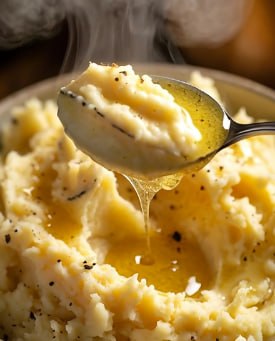
- Serve: Transfer the creamy mashed potatoes to a serving bowl. Garnish with fresh chives, if desired. Serve immediately and enjoy!
Cooking Tips and Variations
Potato Choice: The type of potato you choose significantly impacts the texture of your mashed potatoes. Yukon Gold potatoes are naturally creamy and buttery, making them an excellent choice for this recipe. Russet potatoes, on the other hand, are starchier and will result in a fluffier mashed potato. You can also use a combination of both for a balance of creaminess and fluffiness.
Warming Dairy: Warming the milk and cream before adding them to the potatoes is crucial for maintaining a smooth and creamy texture. Cold dairy can cause the potatoes to cool down quickly and become gluey. You can warm the milk and cream in a saucepan over low heat or in the microwave in short intervals, stirring in between, until they are heated through but not boiling.
Don’t Overmix: Overmixing mashed potatoes releases too much starch, resulting in a gummy texture. Be gentle when mashing and mixing the potatoes. Use a potato ricer for the smoothest results with minimal mixing. If using a masher, work deliberately and avoid excessive stirring.
Salt the Water: Seasoning the water when boiling the potatoes is essential for enhancing their flavor. The potatoes will absorb the salt as they cook, resulting in more flavorful mashed potatoes.
Butter Temperature: For an even richer and more complex flavor, consider browning the butter before adding it to the potatoes. Brown butter has a nutty, caramelized flavor that elevates the mashed potatoes to another level. To brown the butter, melt it in a saucepan over medium heat, swirling occasionally, until it turns a golden brown color and has a nutty aroma. Be careful not to burn the butter.
Variations:
- Garlic Mashed Potatoes: Add minced or roasted garlic to the mashed potatoes for a flavorful twist. Roasted garlic adds a sweeter, more mellow garlic flavor.
- Herb Mashed Potatoes: Stir in fresh herbs such as rosemary, thyme, or parsley for a fragrant and flavorful variation.
- Cheese Mashed Potatoes: Add shredded cheddar cheese, Parmesan cheese, or Gruyere cheese to the mashed potatoes for a cheesy and decadent side dish.
- Sour Cream Mashed Potatoes: Substitute some of the milk or cream with sour cream for a tangy and rich flavor.
- Bacon Mashed Potatoes: Crumble cooked bacon into the mashed potatoes for a smoky and savory addition.
Serving Suggestions:
- Serve with roasted chicken, turkey, or beef.
- Serve with gravy.
- Serve as a side dish for meatloaf or pot roast.
- Top with a fried egg for a hearty breakfast or brunch.
Storage and Reheating
Storage:
Store leftover mashed potatoes in an airtight container in the refrigerator for up to 3-4 days.
Reheating:
There are several ways to reheat mashed potatoes:
- Microwave: Place the mashed potatoes in a microwave-safe dish. Add a splash of milk or cream to restore moisture. Cover the dish and microwave on medium power in 1-minute intervals, stirring in between, until heated through.
- Stovetop: Place the mashed potatoes in a saucepan over low heat. Add a splash of milk or cream to restore moisture. Stir frequently until heated through.
- Oven: Preheat the oven to 350°F (175°C). Place the mashed potatoes in an oven-safe dish. Add a splash of milk or cream to restore moisture. Cover the dish with foil and bake for 15-20 minutes, or until heated through.
Make Ahead:
Mashed potatoes can be made ahead of time and reheated. Prepare the mashed potatoes as directed, then let them cool slightly before transferring them to an airtight container. Store in the refrigerator for up to 2 days. When ready to serve, reheat using one of the methods described above. Adding a bit of extra milk or cream when reheating will help to restore their creamy texture.
Frequently Asked Questions
Why are my mashed potatoes gummy?
Gummy mashed potatoes are usually caused by overmixing. Overmixing releases too much starch from the potatoes, resulting in a sticky, gummy texture. To avoid this, be gentle when mashing and mixing the potatoes. Use a potato ricer for the smoothest results with minimal mixing. If using a masher, work deliberately and avoid excessive stirring.
Can I use a different type of potato?
Yes, you can use different types of potatoes for mashed potatoes. Yukon Gold potatoes are naturally creamy and buttery, making them an excellent choice. Russet potatoes are starchier and will result in a fluffier mashed potato. Red potatoes are waxier and will hold their shape better, but they can also be used for mashed potatoes. Experiment with different varieties to find your favorite.
Can I freeze mashed potatoes?
While you can freeze mashed potatoes, the texture may change slightly upon thawing and reheating. To freeze mashed potatoes, let them cool completely before transferring them to a freezer-safe container or bag. Freeze for up to 2-3 months. When ready to use, thaw the mashed potatoes in the refrigerator overnight. Reheat using one of the methods described above, adding a bit of extra milk or cream to restore their creamy texture.
Can I make mashed potatoes without milk or cream?
Yes, you can make mashed potatoes without milk or cream. You can use broth (chicken or vegetable), or even just butter and some of the potato cooking water to achieve a creamy consistency. Experiment with different liquids to find what you like best.