Instructions
- Prepare the Flour Mixture: In a medium saucepan, whisk together the all-purpose flour and granulated sugar until well combined. This step is crucial to prevent lumps from forming later.
- Add the Milk: Gradually pour in the whole milk, whisking continuously until the mixture is smooth and free of any lumps. Ensure that the flour and sugar are fully incorporated into the milk.
- Cook the Mixture: Place the saucepan over medium heat and cook, stirring constantly with a whisk. The mixture will gradually thicken. Continue cooking and stirring until the mixture becomes very thick, resembling a pudding or paste. This process usually takes about 5-10 minutes. Be patient and don’t stop stirring, as the mixture can easily burn or stick to the bottom of the pan.
- Ensure Thorough Cooking: It’s essential to cook the flour mixture thoroughly to eliminate any raw flour taste. The mixture is ready when it becomes very thick and pulls away from the sides of the pan. You should see bubbles forming on the surface.
- Transfer to a Bowl: Remove the saucepan from the heat and transfer the cooked flour mixture to a clean bowl. This will help it cool down more quickly and evenly.
- Cover and Cool Completely: Cover the surface of the mixture directly with plastic wrap. This prevents a skin from forming on top, which can create lumps in your frosting. Press the plastic wrap gently onto the surface, ensuring there are no air pockets. Allow the mixture to cool completely to room temperature. This is a crucial step, as adding warm mixture to the butter will cause it to melt and ruin the frosting’s consistency. You can speed up the cooling process by placing the bowl in the refrigerator, but make sure it’s completely cool before proceeding.
- Prepare the Butter: While the flour mixture is cooling, ensure that your unsalted butter is softened to room temperature. The butter should be soft enough to easily cream but not so soft that it’s greasy or melted. If your butter is too cold, it will be difficult to incorporate into the flour mixture, resulting in a lumpy frosting. If it’s too warm, it will melt and the frosting will be too thin.
- Cream the Butter: In a large mixing bowl (or the bowl of a stand mixer), beat the softened butter with an electric mixer on medium speed until it is light and fluffy. This process usually takes about 2-3 minutes. Creaming the butter incorporates air, which contributes to the frosting’s light and airy texture.
- Gradually Add the Cooled Flour Mixture: Once the flour mixture is completely cool, gradually add it to the creamed butter, one spoonful at a time. Beat on medium speed after each addition, ensuring that the mixture is fully incorporated before adding more. This gradual addition prevents the frosting from becoming overwhelmed and helps maintain a smooth consistency.
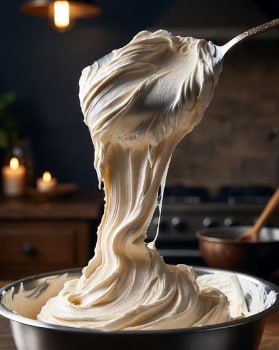
- Whip Until Smooth and Fluffy: After all the flour mixture has been added, increase the mixer speed to medium-high and whip the frosting for several minutes, until it is light, fluffy, and smooth. This whipping process incorporates even more air, creating the signature airy texture of Ermine frosting. The frosting should become noticeably lighter in color and increase in volume.
- Add Vanilla Extract: Add the vanilla extract and pinch of salt (if using) to the frosting. Beat on low speed until just combined. The vanilla extract enhances the flavor of the frosting, while the salt helps to balance the sweetness.
- Adjust Consistency (if needed): If the frosting is too thick, add a tablespoon of milk at a time, beating after each addition, until you reach your desired consistency. If the frosting is too thin, chill it in the refrigerator for 15-30 minutes to firm it up.
- Use Immediately or Store: Use the Ermine frosting immediately to frost your cakes or cupcakes. It can also be stored in an airtight container in the refrigerator for up to 3 days. Before using refrigerated frosting, allow it to come to room temperature and rewhip it with an electric mixer until it is light and fluffy again.
Cooking Tips and Variations
- Use High-Quality Butter: Since butter is a key ingredient in Ermine frosting, using high-quality butter will significantly improve the flavor and texture of the frosting.
- Cool the Flour Mixture Completely: This is the most crucial step. If the flour mixture is even slightly warm, it will melt the butter and result in a soupy frosting. Be patient and ensure it’s completely cool.
- Don’t Overcook the Flour Mixture: While it’s important to cook the flour mixture thoroughly, be careful not to overcook it, as this can make it too thick and difficult to incorporate into the butter.
- Adjust Sweetness: If you prefer a sweeter frosting, you can increase the amount of sugar slightly. However, keep in mind that Ermine frosting is intentionally less sweet than traditional buttercream.
- Add Flavorings: Experiment with different flavorings, such as almond extract, lemon zest, or coffee extract, to customize the frosting to your liking.
- Chocolate Ermine Frosting: Add melted and cooled chocolate to the finished frosting for a rich chocolate flavor. About 2-3 ounces of good quality melted chocolate should do the trick.
- Brown Butter Ermine Frosting: Brown the butter before creaming it for a nutty and complex flavor. Let the browned butter cool and solidify slightly before creaming.
- Vegan Ermine Frosting: Substitute the butter with a vegan butter alternative that behaves similarly to regular butter. Use plant-based milk in place of cow’s milk.
- Coloring the Frosting: Use gel food coloring for the best results. Gel colors are more concentrated than liquid colors and won’t affect the consistency of the frosting as much.
Storage and Reheating
Storage: Leftover Ermine frosting can be stored in an airtight container in the refrigerator for up to 3 days. To prevent a skin from forming on top, press a piece of plastic wrap directly onto the surface of the frosting before sealing the container.
Reheating: When ready to use refrigerated frosting, allow it to come to room temperature for about 1-2 hours. Once it has softened, rewhip it with an electric mixer until it is light, fluffy, and smooth again. You may need to add a tablespoon or two of milk to restore the frosting to its original consistency.
Freezing: While not ideal, Ermine frosting can be frozen for up to 1 month. Thaw it in the refrigerator overnight and rewhip it thoroughly before using. Be aware that freezing may slightly alter the texture of the frosting.
Frequently Asked Questions
Why is my Ermine frosting lumpy?
Lumpy Ermine frosting is usually caused by one of two things: either the flour mixture was not whisked properly while cooking, resulting in lumps of flour, or the flour mixture was not completely cool when added to the butter. Make sure to whisk the flour mixture constantly while cooking and allow it to cool completely before proceeding.
My Ermine frosting is too thin. What can I do?
If your Ermine frosting is too thin, it is likely because the butter was too warm or the flour mixture was not thick enough. Try chilling the frosting in the refrigerator for 15-30 minutes to firm it up. If that doesn’t work, you can try adding a tablespoon of powdered sugar at a time, beating well after each addition, until you reach your desired consistency.
Can I make Ermine frosting ahead of time?
Yes, you can make Ermine frosting ahead of time. It can be stored in an airtight container in the refrigerator for up to 3 days. When ready to use, allow it to come to room temperature and rewhip it with an electric mixer until it is light and fluffy again.
What cakes or cupcakes pair well with Ermine frosting?
Ermine frosting is a versatile frosting that pairs well with a variety of cakes and cupcakes. It is a classic choice for red velvet cake, but it also complements vanilla cake, chocolate cake, spice cake, and carrot cake beautifully. Its less sweet flavor allows the flavors of the cake to shine through, making it a great choice for any cake that you want to highlight.