Introduction
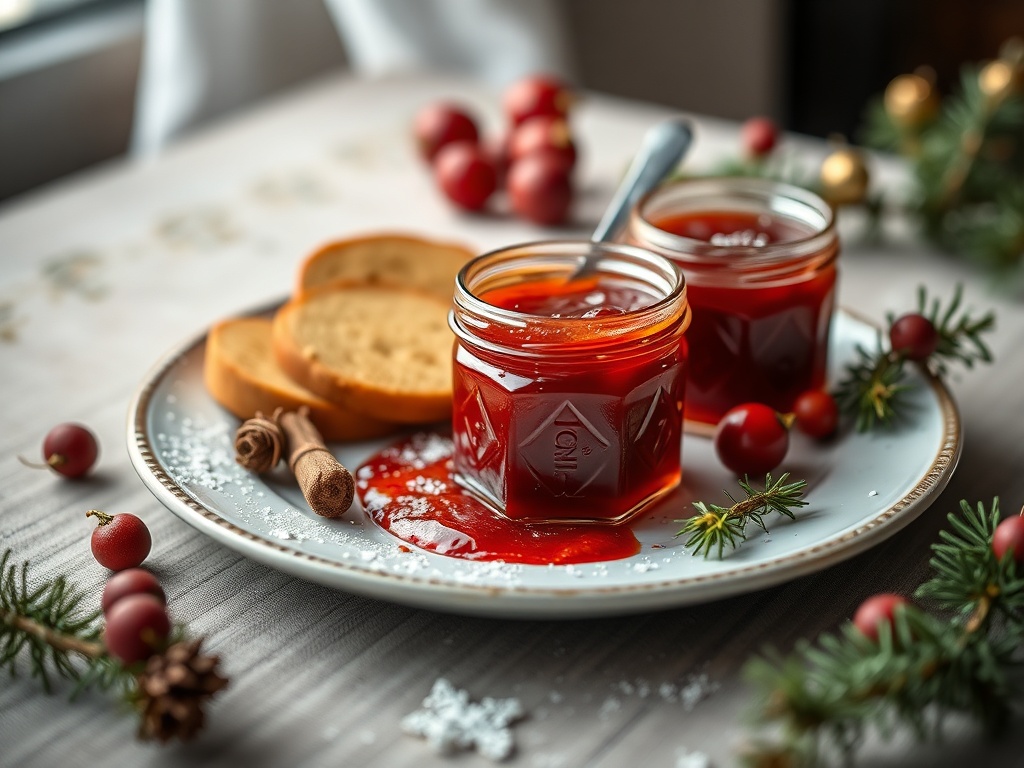
As the days grow shorter and a crisp chill fills the air, there’s an undeniable magic that descends upon our kitchens. It’s a time for warmth, comfort, and the irresistible aroma of spices mingling with sweet fruit. This holiday season, we invite you to capture that very essence in a jar with our Homemade Spiced Christmas Jam. More than just a condiment, this vibrant spread is a celebration of festive flavors, blending the tartness of cranberries, the sweetness of raspberries and strawberries, and a symphony of warm spices that instantly transport you to a cozy winter wonderland.
Why choose homemade jam, especially during the bustling holidays? The answer lies in the unparalleled goodness. Unlike store-bought versions, our Christmas Jam boasts superior flavor, free from artificial preservatives or high-fructose corn syrup. It’s a labor of love that results in a gourmet spread, bursting with the authentic taste of fresh fruit and aromatic spices. Imagine the joy of gifting a beautifully labeled jar of this ruby-red treasure, knowing it was crafted with your own hands. It’s a thoughtful, cost-effective, and deeply appreciated present that speaks volumes about your care and attention to detail. But its utility extends far beyond a gift; this versatile jam can elevate everything from your morning toast to an elegant cheese board, or even become a secret ingredient in your holiday baking.
Making Christmas Jam is also an opportunity to create a new holiday tradition. Gather your family, fill your kitchen with the comforting scents of cinnamon and cloves, and experience the simple satisfaction of transforming fresh ingredients into something truly special. This recipe is designed to be approachable for both seasoned canners and adventurous beginners, guiding you through each step to ensure a perfect set and a flavor profile that will become a beloved staple in your festive repertoire. So, let’s don our aprons, embrace the festive spirit, and craft a batch of this wonderfully cozy, warm-spiced fruit spread that embodies the very heart of the holiday season.
Nutritional Information
Per serving (approximate values, based on 1 tablespoon):
- Calories: 55
- Protein: 0g
- Carbohydrates: 14g
- Fat: 0g
- Fiber: 1g
- Sodium: 1mg
Ingredients
- 4 cups (approximately 2 lbs) fresh or frozen cranberries
- 2 cups (approximately 1 lb) fresh or frozen raspberries
- 2 cups (approximately 1 lb) fresh or frozen strawberries, hulled and quartered if large
- 6 cups granulated sugar
- 1/4 cup freshly squeezed lemon juice (from 1-2 lemons)
- 2 cinnamon sticks (approximately 3 inches each) OR 1 teaspoon ground cinnamon
- 1/2 teaspoon ground cloves
- 1/2 teaspoon ground nutmeg
- 1/4 teaspoon ground ginger
- Optional: 1/4 teaspoon allspice
- Optional: 1 pouch (3 oz) liquid fruit pectin OR 1 box (1.75 oz) powdered fruit pectin (ensure it’s for low-sugar or no-sugar recipes if reducing sugar)
Instructions
- Begin by preparing your canning jars. Wash 4-5 half-pint (8 oz) canning jars, lids, and bands thoroughly with hot, soapy water. To sterilize, place the clean jars in a large pot on a rack, ensuring they are covered by at least an inch of water. Bring the water to a rolling boil and boil for 10 minutes. Keep the jars in the hot water until ready to fill. Place the lids and bands in a separate small saucepan, cover with water, and bring to a simmer (do not boil) to soften the sealing compound. Keep them warm until needed.
- In a large, heavy-bottomed pot or Dutch oven, combine the cranberries, raspberries, and strawberries. If using frozen fruit, there’s no need to thaw them first. Add the freshly squeezed lemon juice.
- Add the granulated sugar to the fruit mixture. Stir everything gently to combine, ensuring the sugar is distributed evenly.
- In a small bowl, whisk together the ground cinnamon (if using instead of sticks), ground cloves, ground nutmeg, and ground ginger (and allspice, if using). Add these spices to the fruit mixture in the pot, along with the whole cinnamon sticks if you opted for them. Stir well to incorporate the spices.
- Place the pot over medium-high heat. Bring the mixture to a full rolling boil, stirring frequently to prevent sticking, especially as the sugar begins to dissolve and the fruit releases its juices.
- Once boiling, reduce the heat to medium-low and let the mixture simmer gently. Use a potato masher or an immersion blender to gently crush some of the fruit to your desired consistency. For a chunkier jam, mash less; for a smoother jam, mash more. Continue to simmer, stirring occasionally, for 20-30 minutes, or until the jam has visibly thickened and the fruit has softened. If using whole cinnamon sticks, remove them at this point.
- If you are using pectin, follow the specific instructions on your pectin package, as methods can vary slightly. Generally, if using liquid pectin, you will add it after the jam has cooked down for a while and then return it to a rolling boil for 1 minute. If using powdered pectin, it’s often whisked in with the sugar at the beginning or dissolved in a small amount of fruit juice before being added to the hot fruit mixture, then brought to a rolling boil.
- To test for the set point (without pectin): Before you start cooking, place a few small ceramic plates in your freezer. After the jam has simmered for 20-30 minutes, spoon a small amount of hot jam onto one of the chilled plates. Return the plate to the freezer for 1-2 minutes. Remove the plate and push the edge of the jam with your finger. If it wrinkles and holds its shape, it’s ready. If it’s still runny, continue to cook for another 5-10 minutes and retest with a fresh cold plate. Alternatively, if using a candy thermometer, the jam is typically set when it reaches 220°F (104°C) at sea level.
- Once the jam has reached its set point, carefully remove the pot from the heat. Skim off any foam that has accumulated on the surface using a metal spoon.
- Carefully remove the sterilized jars from the hot water, pouring the water back into the pot. Place them on a clean towel. Using a canning funnel and a ladle, fill the hot jam into the hot, sterilized jars, leaving 1/4 inch of headspace (the space between the jam and the rim of the jar).
- Wipe the rims of the jars thoroughly with a clean, damp cloth to remove any jam residue. This is crucial for a proper seal. Center the warm lids on top of the jars, and then screw on the bands until they are fingertip tight (just until resistance is met, do not overtighten).
- For shelf-stable storage, process the jars in a boiling water bath. Place the filled jars back into the large pot with the simmering water, ensuring they are on a rack and covered by at least 1-2 inches of water. Bring the water back to a rolling boil and process the jars for 10 minutes (adjust for altitude if necessary).
- After 10 minutes, turn off the heat and carefully remove the jars from the water bath using a jar lifter. Place them upright on a clean towel or cooling rack, ensuring there’s space between each jar. Do not disturb them.
- Allow the jars to cool completely for 12-24 hours. As they cool, you should hear a “pop” sound as the lids seal. After cooling, check the seals by pressing down on the center of each lid. If the lid does not flex, it is sealed. If a lid did not seal, refrigerate that jar of jam and consume it within 2-3 weeks.
Cooking Tips and Variations
Achieving that perfect jam set and delightful flavor is all about understanding a few key principles and daring to experiment. First and foremost, resist the urge to skimp on sugar. While tempting for health reasons, sugar is not just a sweetener in jam-making; it’s a critical component for preservation and achieving the correct texture. It interacts with pectin (natural or added) to create that lovely gel. For similar reasons, meticulous sterilization of your jars is non-negotiable. Any lingering bacteria can lead to spoilage, so ensure your jars, lids, and bands are impeccably clean and properly heated before filling. The “wrinkle test” on a cold plate is your best friend for determining the jam’s set point; it’s a reliable visual cue that tells you when the jam has reached optimal consistency. If you’re a beginner or prefer consistency, don’t shy away from using commercial pectin. Follow the package directions precisely, as different types (liquid vs. powdered) have varying addition times and boiling requirements. Always leave the recommended headspace in your jars; this allows for proper vacuum sealing during the water bath process. And finally, when it comes to canning, safety is paramount. The water bath canning method ensures that your jam is shelf-stable and safe to store outside the refrigerator for extended periods.
Once you’ve mastered the basic recipe, the beauty of homemade jam lies in its adaptability. To brighten the flavor profile, consider adding the zest of one orange or tangerine along with the lemon juice. This introduces a lovely citrusy top note that complements the berries and spices beautifully. For an adult-friendly twist, a splash of brandy, Grand Marnier, or spiced rum added in the last 5 minutes of cooking can infuse the jam with a sophisticated warmth. Just be sure to cook it off slightly to mellow the alcohol. For a surprising textural element and nutty flavor, stir in a handful of finely chopped pecans or walnuts just before jarring (note: this might reduce shelf life if not processed correctly, so consume these jars more quickly). Don’t limit yourself to just these fruits; blueberries, cherries, or even figs can be wonderful additions or substitutions for a unique “Christmas” jam. And, of course, feel free to play with the spices. Want more zing? Increase the ground ginger. Prefer a subtler, more aromatic blend? Reduce the cloves or add a whole star anise to infuse (removing it before jarring) for an exotic touch. Each variation allows you to personalize your jam, making it truly your own signature holiday spread.
Storage and Reheating
Proper storage is essential for enjoying your Homemade Spiced Christmas Jam for months to come. Jars that have been properly processed in a boiling water bath and have sealed correctly can be stored in a cool, dark place, such as a pantry or cupboard, for up to 1 year. Once a jar has been opened, it must be refrigerated. An opened jar of Christmas Jam will typically last for 2-3 weeks in the refrigerator. Always use a clean spoon each time you retrieve jam from the jar to prevent contamination and extend its freshness. This jam does not require reheating, as it is typically enjoyed at room temperature or chilled, depending on its application. For instance, it’s lovely spread on warm toast, but equally delicious when served cool with cheese or as a topping for desserts.
Frequently Asked Questions
Why did my jam not set?
There are several common reasons jam might not set. The most frequent culprits are not cooking the jam long enough to reach the gelling point, insufficient sugar (which is crucial for pectin activation), or not enough natural pectin in the fruit. If you didn’t use commercial pectin, ensure your fruit was ripe but not overripe, as perfectly ripe fruit contains the most natural pectin. If your jam still hasn’t set after cooling, don’t despair! You can often re-process it. Return the jam to a pot, bring it to a boil, and add more pectin according to package directions, or simply boil it longer, testing frequently with the cold plate method until it reaches the desired consistency. Alternatively, you can embrace it as a delicious syrup for pancakes or ice cream.
Can I use only fresh or only frozen fruit?
Absolutely! This recipe works beautifully with either fresh or frozen fruit. If using fresh, ensure your berries are ripe and free from blemishes. If using frozen fruit, there’s no need to thaw it before adding it to the pot; simply add it directly from the freezer. Frozen fruit can sometimes release more liquid, so you might need to cook the jam for a slightly longer period to achieve the desired thickness and set, but the end result will be just as delicious and vibrant.
How do I know if my jars have sealed properly?
After your jars have cooled completely for 12-24 hours, you can check the seals. The most reliable way is to press down on the center of the lid with your finger. If the lid does not flex up and down, it is sealed. You might also hear a distinct “pop” as the vacuum seal forms during cooling. Another method is to remove the band and gently try to lift the lid with your fingertips; if it stays firmly attached, it’s sealed. Any jars that haven’t sealed should be refrigerated immediately and consumed within 2-3 weeks, as they are not shelf-stable.