Introduction
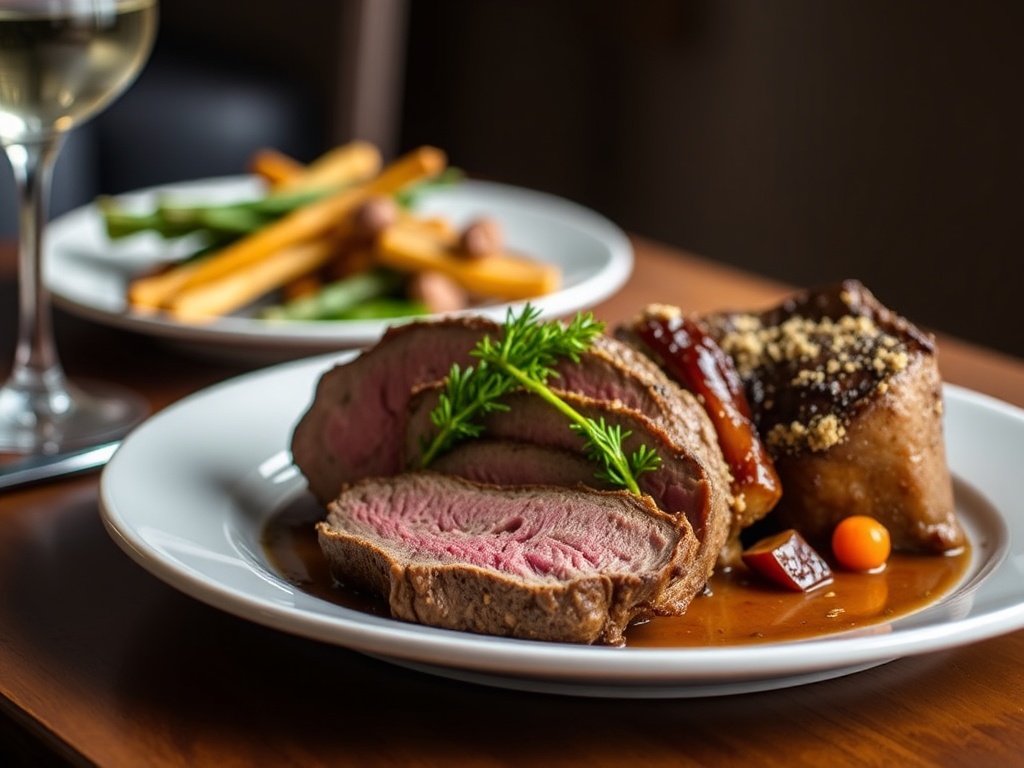
There are certain meals that transcend mere sustenance, transforming into an event, a celebration, a memory etched in the minds of those gathered around the table. Prime Rib, the undisputed king of roasts, is precisely one such dish. With its majestic presence, savory aroma, and promise of succulent, melt-in-your-mouth tenderness, it effortlessly commands attention and admiration. Often reserved for the most joyous occasions – think holiday feasts, intimate anniversaries, or grand family reunions – prime rib isn’t just a meal; it’s the ultimate culinary centerpiece, a testament to good food and cherished company.
Many home cooks might shy away from attempting a prime rib, intimidated by its premium status and the perceived complexity of achieving that perfect medium-rare interior and crisp, flavorful crust. However, we’re here to demystify the process and assure you that creating a show-stopping prime rib is far more approachable than you might imagine. This comprehensive guide will equip you with the knowledge and confidence to master this culinary art, turning what seems like an daunting task into a rewarding experience. Prepare to impress your guests and delight your palate with a prime rib dinner that will be talked about long after the last morsel is savored.
From selecting the ideal cut to mastering the art of roasting and carving, we’ll walk you through every critical step. We’ll emphasize the importance of temperature control, the magic of resting, and the simple techniques that elevate this already magnificent piece of meat to perfection. Get ready to unlock the secrets to a prime rib that boasts a deeply flavored, herb-crusted exterior and an unbelievably juicy, ruby-red interior – a true testament to your culinary prowess.
Nutritional Information
Per serving (approximate values, based on 1 lb bone-in prime rib, yielding about 8oz meat per serving, without sides or gravy):
- Calories: 550-650
- Protein: 60-70g
- Carbohydrates: 0-1g
- Fat: 35-45g
- Fiber: 0g
- Sodium: 300-400mg
Ingredients
- 1 (4-7 pound) bone-in prime rib roast (2-4 ribs), trimmed
- 2 tablespoons coarse kosher salt
- 1 tablespoon freshly ground black pepper
- 1 tablespoon garlic powder
- 1 teaspoon onion powder
- 1 teaspoon dried rosemary, crushed
- 1 teaspoon dried thyme
- 2 tablespoons olive oil
- 1 cup beef broth (for au jus)
- Optional: 1/4 cup red wine (for au jus)
Instructions
- Prepare the Roast: Remove the prime rib from its packaging and pat it thoroughly dry with paper towels. This is crucial for developing a good crust. Place the roast on a cutting board.
- Temper the Roast: Allow the prime rib to sit at room temperature for at least 2-4 hours, depending on its size. This step is vital for even cooking. The internal temperature should be around 50-60°F (10-15°C) before it goes into the oven.
- Score the Fat Cap: Using a sharp knife, carefully score the fat cap in a diamond pattern, making sure not to cut into the meat itself. This helps the fat render and creates a crispy crust.
- Season Generously: In a small bowl, combine the kosher salt, black pepper, garlic powder, onion powder, dried rosemary, and dried thyme. Rub the olive oil all over the prime rib. Then, generously coat the entire roast with the seasoning mixture, pressing it firmly into the fat and meat. Ensure all surfaces are covered.
- Preheat Oven & Set Up Pan: Preheat your oven to 450°F (230°C). Place a roasting rack inside a sturdy roasting pan.
- High Heat Sear: Place the seasoned prime rib, fat-side up, on the roasting rack in the preheated oven. Roast for 15-30 minutes at 450°F (230°C). This high-heat initial blast creates a beautiful, flavorful crust.
- Reduce Heat & Continue Roasting: After the initial high-heat sear, reduce the oven temperature to 250°F (120°C). Do not open the oven door immediately; allow the temperature to drop gradually.
- Monitor Internal Temperature: Insert a meat thermometer into the thickest part of the roast, making sure it doesn’t touch any bone. Continue roasting until the internal temperature reaches your desired doneness, keeping in mind carryover cooking:
- Rare: Remove at 115-120°F (46-49°C) – will rise to 120-125°F (49-52°C)
- Medium-Rare: Remove at 120-125°F (49-52°C) – will rise to 125-130°F (52-54°C)
- Medium: Remove at 130-135°F (54-57°C) – will rise to 135-140°F (57-60°C)
A general guideline for roasting at 250°F is about 15-20 minutes per pound, but always rely on the thermometer.
- The Sacred Rest: Once the prime rib reaches your target temperature, carefully remove it from the oven and transfer it to a clean cutting board. Tent it loosely with aluminum foil. This is a crucial step! Allow the roast to rest for at least 20-30 minutes, or up to an hour for larger roasts. This resting period allows the juices to redistribute throughout the meat, ensuring a tender and juicy result.
- Make the Au Jus (Optional but Recommended): While the roast is resting, carefully pour off any excess fat from the roasting pan, leaving the flavorful drippings and browned bits. Place the pan over medium heat on your stovetop. Pour in the beef broth and, if using, the red wine. Scrape up all the browned bits from the bottom of the pan with a wooden spoon, bringing the liquid to a simmer. Let it reduce slightly, then strain it through a fine-mesh sieve into a serving bowl. Season with salt and pepper to taste.
- Carve and Serve: After resting, remove the foil. If your roast is bone-in, carefully slice along the bones to remove them. Then, slice the prime rib against the grain into desired thickness. Serve immediately with the warm au jus and your favorite accompaniments.
Cooking Tips and Variations
For the most flavorful and tender prime rib, selecting a high-quality cut is paramount. Look for USDA Prime or Choice grade beef, which indicates good marbling – those tiny flecks of fat that melt during cooking, infusing the meat with moisture and flavor. While bone-in roasts offer superior flavor and more even cooking due to the insulating properties of the bones, a boneless roast can be easier to carve. If you choose boneless, consider tying it with butcher’s twine at 1-inch intervals to help it maintain its shape. For an extra layer of flavor, consider making an herbed butter to rub under the fat cap or to baste the roast during the last hour of cooking. You can also experiment with different herb combinations in your rub, such as adding smoked paprika for a smoky depth or a touch of cayenne for a subtle kick. Remember, a good quality meat thermometer is your best friend here; don’t rely solely on cooking times, as oven calibrations and roast shapes can vary wildly. For a truly professional finish, consider reverse searing: start with the low-temperature roast until it’s about 10-15 degrees shy of your target, then blast it at a high temperature (450-500°F) for 10-15 minutes just before resting to develop an incredible crust. This method provides even more control over doneness.
Storage and Reheating
To store leftover prime rib, allow it to cool completely before transferring it to an airtight container. It can be refrigerated for up to 3-4 days. For longer storage, slice the prime rib and freeze individual portions in freezer-safe bags or containers for up to 3 months. When reheating, the key is to do so gently to prevent drying out the meat. For best results, preheat your oven to a low temperature, around 250-300°F (120-150°C). Place the leftover slices in an oven-safe dish with a splash of beef broth or water, and cover tightly with foil. Heat for 15-25 minutes, or until just warmed through. Avoid microwaving if possible, as it can make the meat tough and rubbery. If you must use a microwave, do so on a low setting for short bursts, checking frequently. Leftover prime rib is fantastic in sandwiches, served cold with horseradish sauce, or chopped for a hearty beef hash.
Frequently Asked Questions
Why is resting the prime rib so important?
Resting is absolutely crucial because it allows the internal temperature of the roast to stabilize and, more importantly, gives the juices that have been pushed to the center of the meat during cooking time to redistribute throughout the entire roast. If you cut into the prime rib too soon, all those delicious juices will simply run out onto your cutting board, leaving you with dry meat. Resting ensures a tender, juicy, and flavorful result with every slice.
What’s the difference between bone-in and boneless prime rib for cooking?
Bone-in prime rib typically yields a more flavorful and evenly cooked roast. The bones act as natural insulators, protecting the meat closest to them from overcooking and imparting additional flavor during the roasting process. However, bone-in can be more challenging to carve. Boneless prime rib is easier to carve and can sometimes cook a bit faster, but it may require tying with butcher’s twine to maintain its shape and ensure even cooking.
How can I ensure a crispy crust on my prime rib?
Several factors contribute to a crispy crust. First, ensure the roast is thoroughly patted dry before seasoning. Moisture on the surface will steam rather than sear. Second, scoring the fat cap allows the fat to render and crisp up. Third, the initial high-heat sear (450-500°F) is essential for triggering the Maillard reaction, which creates that desirable brown, flavorful crust. Finally, a generous application of coarse salt and other seasonings also aids in crust development.