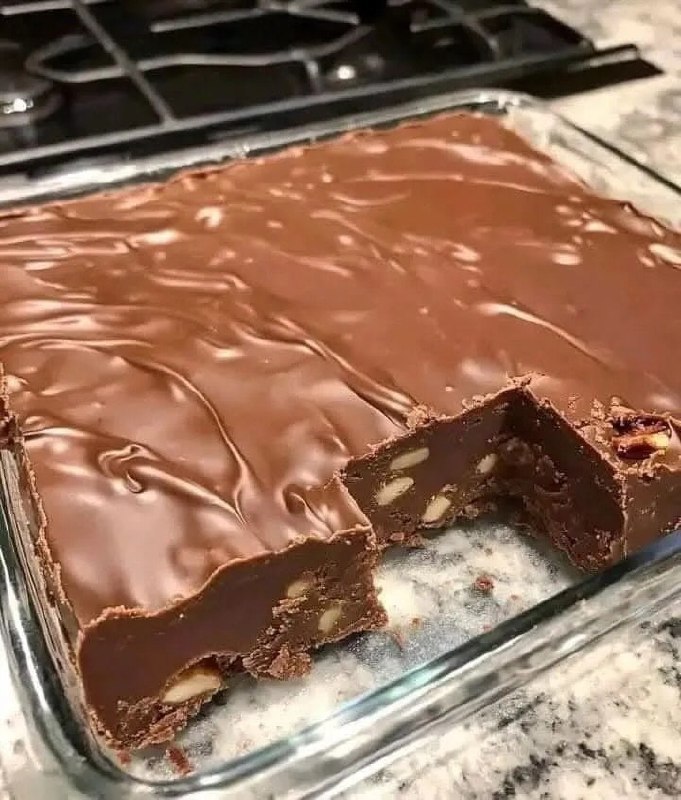
Instructions
- Prepare the Pan: Line an 8×8 inch square baking pan with parchment paper, leaving an overhang on two sides. This will make it easy to lift the fudge out later.
- Combine Ingredients: In a large, microwave-safe bowl, combine the sweetened condensed milk, chocolate chips, and butter.
- Melt the Chocolate: Microwave on high in 30-second intervals, stirring well after each interval, until the chocolate is completely melted and smooth. Be careful not to overheat the chocolate; it should be melted but not burned.
- Stir in Vanilla: Stir in the vanilla extract until well combined. The mixture should be glossy and homogenous.
- Add Nuts (Optional): If desired, gently fold in half of the chopped almonds and pecans into the fudge mixture. Reserve the remaining nuts for topping.
- Pour into Pan: Pour the fudge mixture into the prepared baking pan and spread evenly with a spatula.
- Top with Nuts and Salt: Sprinkle the remaining chopped almonds and pecans evenly over the top of the fudge. If desired, sprinkle a pinch of sea salt over the nuts for a sweet and salty flavor contrast.
- Chill and Set: Cover the pan with plastic wrap and refrigerate for at least 2 hours, or preferably overnight, until the fudge is firm and set.
- Cut and Serve: Once the fudge is firm, lift it out of the pan using the parchment paper overhang. Place it on a cutting board and cut into squares. Serve immediately or store in an airtight container.
Cooking Tips and Variations
Use High-Quality Chocolate: The quality of the chocolate will significantly impact the flavor of the fudge. Opt for a good quality semi-sweet chocolate for the best results. You can also experiment with different types of chocolate, such as dark chocolate or milk chocolate, to suit your preferences.
Don’t Overheat the Chocolate: Overheating the chocolate can cause it to seize and become grainy. Microwave in short intervals and stir frequently to ensure even melting.
Parchment Paper is Key: Lining the pan with parchment paper makes it incredibly easy to remove the fudge cleanly and prevents it from sticking. Make sure to leave an overhang for easy lifting.
Get Creative with Add-Ins: The possibilities for customizing this fudge are endless! Consider adding other nuts, such as walnuts, macadamia nuts, or peanuts. Dried fruits like cranberries, cherries, or raisins also add a delightful chewiness. For a flavor boost, try adding a tablespoon of peanut butter, peppermint extract, or instant coffee granules to the mixture.
Salted Caramel Fudge: Swirl a generous amount of salted caramel sauce into the fudge mixture before chilling for a decadent treat.
Peppermint Fudge: Add 1/2 teaspoon of peppermint extract and crushed peppermint candies to the fudge mixture for a festive holiday treat.
Chocolate Swirl Fudge: Melt white chocolate and swirl it into the semi-sweet fudge before chilling for a beautiful marbled effect.
Fudge Not Setting? If your fudge isn’t setting properly, it could be due to a number of factors. Ensure you’re using sweetened condensed milk and not evaporated milk. Also, make sure you’re using the correct ratio of ingredients. If the fudge is still too soft, try chilling it for a longer period of time, or even freezing it for a short while.
Achieving the Perfect Consistency: The fudge should be firm enough to cut into squares but still have a creamy, melt-in-your-mouth texture. The chilling time is crucial for achieving the perfect consistency. If the fudge is too hard, let it sit at room temperature for a few minutes before cutting.
Storage and Reheating
Storage: Store the fudge in an airtight container at room temperature for up to a week, or in the refrigerator for up to two weeks. For longer storage, you can freeze the fudge for up to three months. Wrap it tightly in plastic wrap and then place it in a freezer-safe bag or container.
Reheating: Fudge is best served at room temperature or chilled. If you have frozen the fudge, thaw it in the refrigerator overnight before serving. Reheating is not recommended as it can alter the texture of the fudge.
To prevent fudge from drying out, store with parchment paper between layers if stacking the fudge.
Frequently Asked Questions
Can I use different types of chocolate?
Yes, you can definitely experiment with different types of chocolate! Dark chocolate will give you a richer, more intense flavor, while milk chocolate will result in a sweeter, creamier fudge. White chocolate can also be used, but be aware that it’s sweeter and can make the fudge very sweet overall. Adjust the amount of sugar in the recipe accordingly if you’re using a sweeter chocolate.
Can I make this fudge without nuts?
Absolutely! If you’re not a fan of nuts or have allergies, you can easily omit them from the recipe. Just skip the step where you add the nuts, and the fudge will still be delicious. You can also substitute the nuts with other toppings, such as sprinkles, chocolate shavings, or dried fruit.
How do I prevent the chocolate from seizing?
The key to preventing chocolate from seizing is to melt it gently and avoid adding any water or other liquids directly to the melting chocolate. Microwave in short intervals, stirring frequently, and be careful not to overheat it. If the chocolate does seize, try adding a small amount of vegetable oil or shortening and stirring vigorously until it smooths out.
Can I freeze this fudge?
Yes, you can freeze this fudge for up to 3 months. Wrap it tightly in plastic wrap, then place it in a freezer-safe container or bag. Thaw in the refrigerator overnight before serving.