Introduction
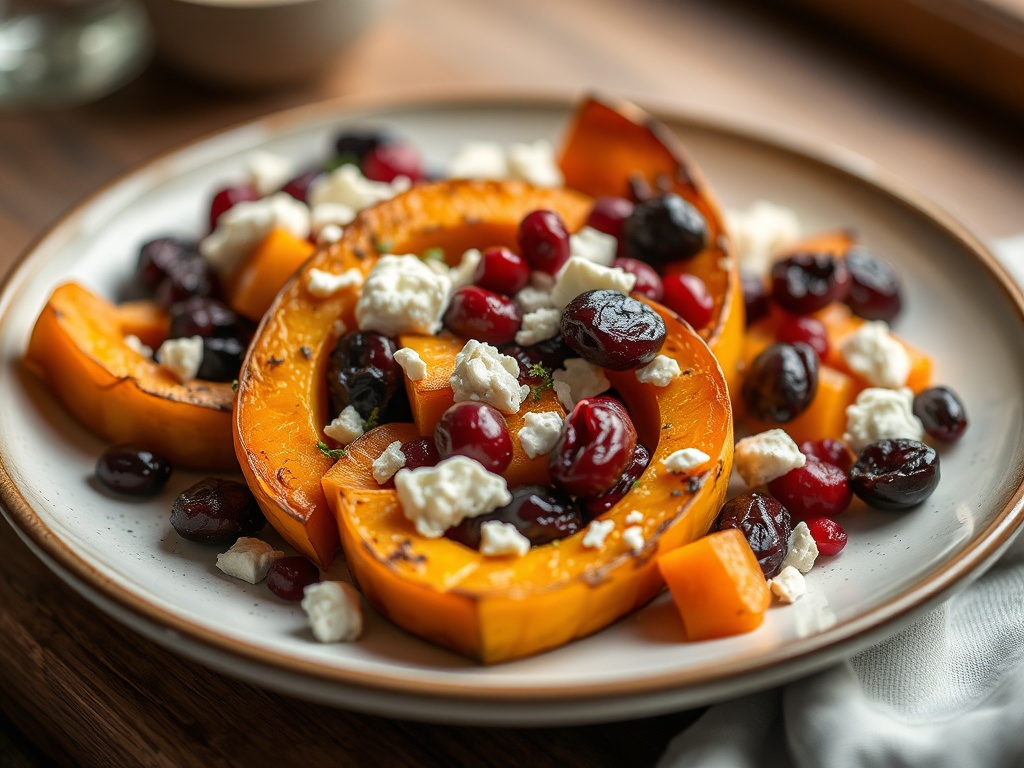
As the leaves turn golden and the air grows crisp, there’s no better way to celebrate the vibrant flavors of autumn than with a dish that’s as comforting as it is colorful. This Roasted Butternut Squash with Cranberries and Feta isn’t just a recipe; it’s an ode to the season, bringing together the natural sweetness of roasted squash, the tangy burst of dried cranberries, and the salty creaminess of feta cheese into one harmonious bite. It’s a dish that looks as good as it tastes, making it a showstopper for any occasion, from a cozy weeknight dinner to a festive holiday feast.
This delightful creation is a true autumn superstar, offering a perfect balance of sweet, savory, and tangy notes that dance on your palate. Its vibrant hues of orange, red, and white make it incredibly appealing, while its straightforward preparation ensures it’s accessible to home cooks of all skill levels. You’ll love its incredible versatility – it shines as a hearty side dish, can be a light vegetarian main, or even serve as a stunning centerpiece on your holiday table. Beyond its irresistible taste and visual appeal, butternut squash is packed with nutritional benefits, making this a healthy and wholesome addition to your meal rotation. It’s the ideal recipe for busy families looking for a nutritious yet easy option, or for holiday entertainers who want to impress without the stress.
The magic of this dish lies in the interplay of its core ingredients. Roasting the butternut squash caramelizes its natural sugars, deepening its sweetness and creating tender, slightly crisp edges. This sweetness is then beautifully contrasted by the bright, tart chewiness of dried cranberries, which add a delightful pop of flavor. Finally, the crumbled feta cheese introduces a creamy, salty tang that ties all the elements together, creating a perfectly balanced and utterly addictive flavor profile. Each mouthful is a symphony of textures and tastes, proving that simple, seasonal ingredients can create something truly extraordinary. Get ready to fall in love with this autumn essential!
Nutritional Information
Per serving (approximate values):
- Calories: 230
- Protein: 5g
- Carbohydrates: 35g
- Fat: 10g
- Fiber: 6g
- Sodium: 280mg
Ingredients
- 2 pounds butternut squash, peeled, deseeded, and cut into 1-inch cubes (about 6 cups)
- 3 tablespoons olive oil, plus more for drizzling
- 1/2 teaspoon kosher salt, or to taste
- 1/4 teaspoon freshly ground black pepper, or to taste
- 1/2 cup dried cranberries
- 4 ounces feta cheese, crumbled
- 1 tablespoon maple syrup or honey (optional, for extra sweetness)
- 1 tablespoon fresh thyme leaves or 1 teaspoon fresh rosemary, finely chopped (optional, for aromatic depth)
- 1/4 cup chopped pecans or walnuts, toasted (optional, for crunch)
- 1 tablespoon balsamic glaze (optional, for finishing)
Instructions
- Preheat your oven to 400°F (200°C). Line a large baking sheet with parchment paper for easier cleanup, or lightly grease it. If you plan to roast a large batch, have a second baking sheet ready to ensure the squash isn’t overcrowded.
- Prepare the butternut squash: Using a sturdy vegetable peeler or a sharp knife, carefully peel the tough skin from the butternut squash. Slice the squash in half lengthwise and scoop out the seeds and stringy pulp with a spoon. Then, cut the squash into uniform 1-inch cubes. Uniformity is key here for even cooking, so take your time to make sure the pieces are roughly the same size. If the squash is particularly hard to peel, you can microwave it for 2-3 minutes to slightly soften the skin before peeling.
- In a large mixing bowl, combine the cubed butternut squash with 3 tablespoons of olive oil. Add the kosher salt and freshly ground black pepper. If using, now is the time to add the optional maple syrup or honey for extra sweetness and caramelization, and the fresh thyme or rosemary for aromatic depth. Toss everything together thoroughly until the squash cubes are evenly coated with the oil and seasonings.
- Arrange the seasoned butternut squash in a single layer on the prepared baking sheet. It’s crucial not to overcrowd the pan; otherwise, the squash will steam instead of roast, preventing it from caramelizing and developing those delicious browned edges. If necessary, use two baking sheets.
- Roast the squash in the preheated oven for 15 minutes. This initial roasting period allows the squash to begin to soften and develop some color before adding other ingredients.
- After 15 minutes, remove the baking sheet from the oven. Carefully add the dried cranberries to the baking sheet, scattering them among the squash cubes. Toss gently to combine. Adding the cranberries partway through prevents them from burning and becoming too hard.
- Return the baking sheet to the oven and continue roasting for another 15-20 minutes, or until the butternut squash is fork-tender and beautifully caramelized with slightly browned edges. Keep an eye on it to ensure it doesn’t overcook. The goal is tender-crisp, not mushy.
- Once the squash is perfectly roasted, remove the baking sheet from the oven. Transfer the roasted squash and cranberries to a serving bowl. Immediately sprinkle the crumbled feta cheese over the warm squash. The residual heat will slightly soften the feta, allowing its salty tang to meld perfectly with the sweet squash and tart cranberries.
- If desired, sprinkle with toasted pecans or walnuts for an added layer of crunch and nutty flavor. For an extra touch of elegance and depth, drizzle with balsamic glaze just before serving.
- Serve immediately to enjoy the best texture and flavor. This dish is truly at its peak when warm, allowing all the nuanced flavors to shine.
Cooking Tips and Variations
To achieve the best possible results with your Roasted Butternut Squash, remember a few key tips. First and foremost, uniform cubes are absolutely crucial for even cooking. If your squash pieces vary wildly in size, some will be mushy while others are still hard. Secondly, resist the urge to overcrowd your baking pan. This is perhaps the most common mistake in roasting. When vegetables are piled high, they steam instead of roast, leading to a pale, mushy texture rather than the desired caramelized goodness. If you have a lot of squash, use two baking sheets or roast in batches. High heat roasting, typically around 400°F (200°C), is essential for promoting the Maillard reaction and caramelization, which develops deep, complex flavors. Finally, always aim for a balance of flavors – the natural sweetness of the squash, the tartness of the cranberries, and the salty tang of the feta are what make this dish so irresistible.
For those looking to experiment, this recipe is incredibly adaptable. To add a delightful spicy kick, sprinkle in a pinch of red pepper flakes or a tiny dash of cayenne pepper along with the salt and pepper. Herb swaps can completely change the aromatic profile; consider using fresh sage, rosemary, or even a blend of “poultry seasoning” for a more traditional fall flavor. For an extra nutty crunch, toasted pecans or walnuts are excellent additions, but toasted pumpkin seeds (pepitas) also work beautifully and add a different texture. If feta isn’t your favorite, consider other cheese alternatives like creamy goat cheese, pungent blue cheese, or a light dusting of grated Parmesan for a different salty element. You can also vary the sweetness options; brown sugar or agave nectar can be used instead of maple syrup or honey. For a bright, fresh finish, a squeeze of orange or lemon juice just before serving adds a lovely citrus lift that cuts through the richness. This dish is incredibly versatile, making it a fantastic main course accompaniment for roasted chicken, pork, or turkey, an elegant light lunch, a festive holiday side, or even a flavorful topping for a green salad.
Storage and Reheating
Leftover Roasted Butternut Squash with Cranberries and Feta can be stored in an airtight container in the refrigerator for 3-4 days. For reheating, gently warm it in the oven at 300°F (150°C) for about 10-15 minutes, or until heated through, to help maintain its texture. Alternatively, you can reheat it in the microwave in short bursts, stirring occasionally, though the squash may become slightly softer. Leftovers are fantastic added to salads, stirred into grain bowls for a quick lunch, or even blended with vegetable broth to create a delicious and creamy autumn soup.
Frequently Asked Questions
How do I safely and easily cut a butternut squash?
Cutting a butternut squash can be challenging due to its hard skin. A great tip is to microwave the whole squash for 2-3 minutes before peeling. This softens the skin slightly, making it much easier and safer to peel with a vegetable peeler or a sharp knife. Then, carefully slice it in half lengthwise, scoop out the seeds, and cut into uniform cubes.
Can I make this dish ahead of time for a holiday meal?
While this dish is best served fresh from the oven, you can prepare the butternut squash ahead of time by peeling and cubing it, storing it in an airtight container in the refrigerator for up to 2 days. You can also toast the nuts in advance. For the freshest taste and texture, we recommend roasting the squash and assembling the dish just before serving.
What makes the squash caramelize and get those delicious browned edges?
The caramelization and browning on the squash are due to two chemical reactions: the Maillard reaction and the caramelization of sugars. These occur at high temperatures (like 400°F) when the natural sugars in the squash react with amino acids, and when sugars brown. To achieve this, it’s crucial not to overcrowd the baking sheet, as this allows moisture to escape and the squash to truly roast rather than steam, leading to those desirable crispy, sweet edges.
Is this recipe suitable for dietary restrictions?
Yes, this recipe is naturally vegetarian and gluten-free, making it suitable for a wide range of diets. If you need to make it vegan, simply omit the feta cheese or substitute it with a high-quality plant-based feta alternative. For a paleo option, ensure your maple syrup is pure and omit the feta, or use a compliant vegan cheese.