Introduction
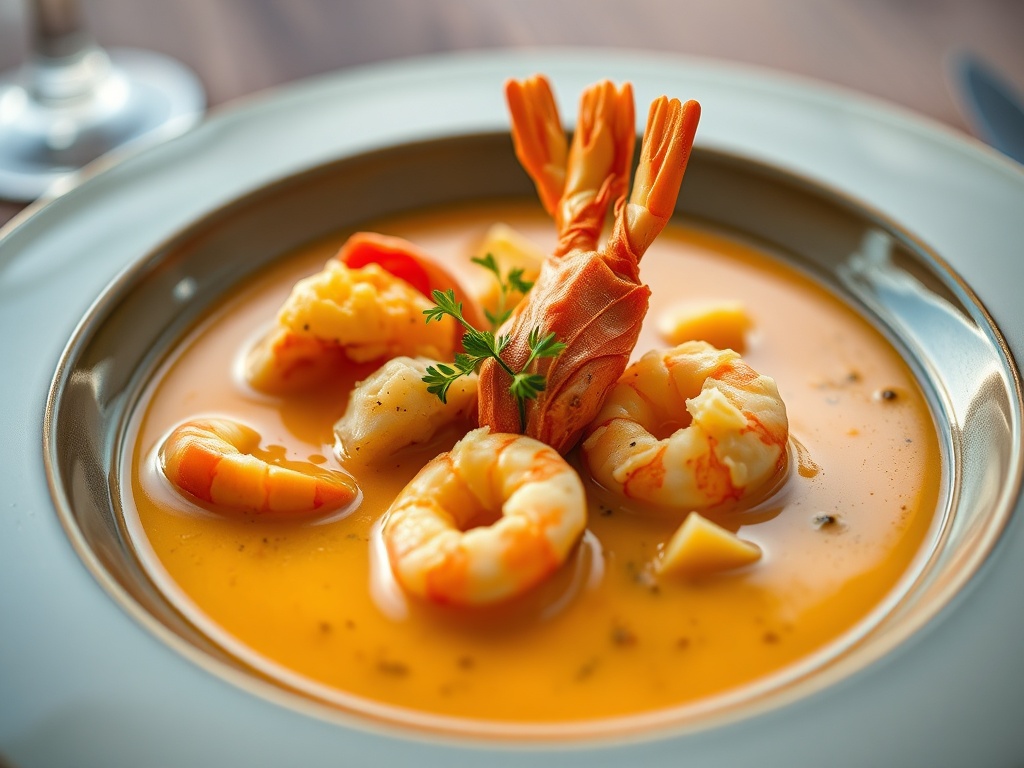
Imagine a bowl that whispers tales of the deep blue sea, a symphony of flavors so rich and comforting that each spoonful feels like a luxurious embrace. That, my friends, is the magic of a truly exceptional seafood bisque. This isn’t just any soup; it’s a culinary masterpiece, a velvety smooth concoction that marries the delicate sweetness of crab, the succulent bite of shrimp, and the undeniable elegance of lobster into one unforgettable experience. Perfect for a chilly evening, a special celebration, or simply when you desire to treat yourself to something truly extraordinary, this bisque elevates the humble soup to an art form, promising a taste of the ocean’s bounty in every creamy, perfectly seasoned drop.
At its heart, a classic bisque is a French creation, renowned for its creamy texture, intensely concentrated flavor, and often, its vibrant hue. Traditionally, it begins by sautéing the shells of crustaceans – a critical step that extracts deep, complex notes that form the very soul of the soup. These flavors are then simmered into a rich stock, often thickened with rice or a roux, and finally enriched with a generous swirl of heavy cream. Originating from the coastal regions of France, possibly the Bay of Biscay, bisques have long been celebrated for their sophisticated profile, transforming humble seafood into a dish of unparalleled luxury. While it might sound daunting, the process is largely about layering flavors, building depth with each step, and the result is profoundly rewarding.
Our recipe takes this classic foundation and amplifies it to new heights by featuring not one, but three magnificent seafood stars: sweet lump crab meat, plump shrimp, and tender lobster. This trifecta creates an unparalleled depth of flavor and a delightful textural contrast that truly sets this bisque apart. It’s a dish that feels undeniably special occasion-worthy, yet with our detailed guidance, it is entirely approachable for the home cook. We’ll demystify the process, from crafting the aromatic stock using reserved shells—the secret to its incredible taste—to achieving that coveted silky smooth texture. Prepare to embark on a culinary journey that promises a truly luxurious, elegant, and comforting experience, a true seafood symphony that will impress and delight.
Nutritional Information
Per serving (approximate values):
- Calories: 580
- Protein: 45g
- Carbohydrates: 20g
- Fat: 35g
- Fiber: 3g
- Sodium: 950mg
Ingredients
- 2 tablespoons unsalted butter, divided
- 1 tablespoon olive oil
- 1 cup chopped yellow onion (about 1 medium)
- 1 cup chopped carrots (about 2 medium)
- 1 cup chopped celery (about 2 stalks)
- 4 cloves garlic, minced
- 2 tablespoons tomato paste
- 1/4 cup brandy or dry white wine (e.g., Sauvignon Blanc)
- 6 cups high-quality fish stock or seafood broth
- Reserved shells from 1.5 lbs medium-large shrimp (peeled and deveined)
- Reserved shells from 2 lobster tails (about 8-10 oz each, cooked and meat removed)
- Crushed shells from 8 oz lump crab meat (if available, otherwise use crab meat only)
- 1 bay leaf
- 1 teaspoon dried thyme
- 1.5 lbs medium-large shrimp, peeled and deveined (meat reserved)
- 2 lobster tails (8-10 oz each), cooked, meat removed and chopped into bite-sized pieces
- 8 oz lump crab meat, picked over for shells
- 1/4 cup unsalted butter
- 1/4 cup all-purpose flour
- 2 cups heavy cream
- 1/4 teaspoon cayenne pepper (or to taste)
- 1-2 tablespoons fresh lemon juice
- Salt and freshly ground black pepper to taste
- Optional: 1-2 tablespoons dry sherry or brandy, for finishing
- For garnish: Fresh chives or parsley, finely chopped; a swirl of crème fraîche or a dollop of butter
Instructions
- Prepare the Seafood:
- Peel and devein the shrimp, reserving all shells. Set shrimp meat aside.
- Cook the lobster tails: Bring a pot of lightly salted water to a boil. Add lobster tails and cook for 5-7 minutes, or until bright red and cooked through. Immediately transfer to an ice bath to stop cooking. Once cool, remove the meat from the shells, chop into bite-sized pieces, and reserve the shells. Set lobster meat aside.
- If using fresh lump crab, pick through carefully to ensure no small shell fragments remain. If using pre-packaged, still check briefly. If you have crab shells from whole crabs, crush and reserve them.
- Build the Aromatic Base: In a large Dutch oven or heavy-bottomed pot, melt 1 tablespoon of butter and 1 tablespoon of olive oil over medium heat. Add the chopped onion, carrots, and celery (mirepoix). Sauté for 8-10 minutes until softened, stirring occasionally.
- Add Garlic and Tomato Paste: Stir in the minced garlic and cook for 1 minute until fragrant. Add the tomato paste and cook, stirring constantly, for 2-3 minutes. This step deepens the color and flavor of the tomato paste.
- Deglaze: Pour in the brandy or dry white wine. Scrape the bottom of the pot with a wooden spoon, dissolving any browned bits (fond). Cook for 2-3 minutes until the liquid has mostly evaporated.
- Create the Seafood Stock: Add the reserved shrimp and lobster shells (and crab shells if using). Pour in the fish stock/seafood broth and 2 cups of water. Add the bay leaf and dried thyme. Bring to a simmer, then reduce heat to low, cover, and gently simmer for at least 30-45 minutes (or up to 1.5 hours) to extract maximum flavor.
- Strain the Stock: Carefully strain the stock through a fine-mesh sieve into another large pot or bowl, pressing firmly on the solids (shells and vegetables) to extract all liquid and flavor. Discard the solids. You should have a rich, concentrated seafood broth.
- Prepare the Roux: In the now-empty Dutch oven (or a clean pot), melt the remaining 1/4 cup of unsalted butter over medium heat. Add the 1/4 cup of all-purpose flour. Whisk constantly for 2-3 minutes to create a smooth roux. Cook until it smells slightly nutty and is a pale golden color; do not let it brown too much.
- Thicken the Bisque: Gradually whisk the warm seafood stock into the roux, a little at a time, to prevent lumps. Continue whisking until the mixture is smooth and begins to thicken. Bring to a gentle simmer and cook for 5-7 minutes, stirring frequently, allowing the bisque to thicken further.
- Achieve Velvety Smoothness: Taste the bisque and adjust seasoning with salt and pepper. For a restaurant-quality smooth texture, you can carefully blend the bisque using an immersion blender directly in the pot until completely smooth. Alternatively, working in batches, carefully transfer the hot bisque to a regular blender (vent the lid to release steam) and blend until smooth. For ultimate silkiness, strain the blended bisque through a fine-mesh sieve into a clean pot.
- Enrich with Cream: Reduce the heat to low. Stir in the heavy cream and cayenne pepper. Heat gently, stirring, until the bisque is warmed through; do not boil after adding cream.
- Add the Seafood: Gently fold in the reserved cooked lobster meat, crab meat, and raw shrimp. Simmer for just 3-5 minutes, or until the shrimp are opaque and cooked through. Be careful not to overcook the seafood.
- Finish and Serve: Stir in the fresh lemon juice and optional sherry or brandy. Taste and adjust seasoning one last time. Ladle the hot bisque into bowls. Garnish with fresh chopped chives or parsley, and a swirl of crème fraîche or a small dollop of butter. Serve immediately with crusty bread.
Cooking Tips and Variations
For the Deepest Flavor: The secret weapon of any great bisque is the stock made from the shells. Do not skip this step! The longer you simmer the shells (up to 1.5 hours), the more intense your bisque’s flavor will be. Pressing hard on the solids when straining is also crucial for extracting every last drop of goodness.
Preventing Overcooked Seafood: Seafood, especially shrimp and lobster, cooks very quickly. Add the pre-cooked lobster and crab, and raw shrimp, only in the final minutes of cooking, just enough to warm them through and cook the shrimp until opaque. Overcooking will result in tough, rubbery seafood.
Achieving Ultimate Smoothness: While an immersion blender is convenient, for a truly restaurant-quality, velvety texture, pass the blended bisque through a fine-mesh sieve. This removes any small fibrous bits from the vegetables or tiny shell fragments, resulting in an incredibly luxurious mouthfeel.
Gluten-Free Option: If you need a gluten-free bisque, instead of using a flour roux, you can thicken the bisque by adding 1/2 cup of cooked rice (white or brown) to the stock before blending. The rice will purée into the soup, providing a creamy, gluten-free thickener.
Flavor Boosters: A splash of dry sherry or good quality brandy added at the very end (after the cream) can add a wonderfully complex, nutty, and aromatic note to your bisque. A pinch of saffron threads steeped in a little warm stock can also infuse a beautiful color and subtle floral note.
Spice It Up: If you enjoy a little heat, increase the amount of cayenne pepper or add a tiny pinch of red pepper flakes to the bisque base. The spice complements the richness of the seafood beautifully.
Vegetable Variations: While mirepoix is classic, you can add other aromatics like a leek (white and light green parts) along with or instead of the onion for a slightly sweeter, milder flavor.
Storage and Reheating
Storage: Allow the bisque to cool completely before transferring it to an airtight container. It can be stored in the refrigerator for up to 2-3 days. Due to the cream and seafood, it’s best consumed within this timeframe.
Freezing: Freezing bisque with cream can sometimes lead to a slightly grainy or separated texture upon reheating. If you plan to freeze, it’s best to freeze the bisque *before* adding the heavy cream and seafood. You can then thaw the base, reheat it, and stir in the cream and freshly cooked seafood just before serving. If you must freeze the finished bisque, know that the texture might change slightly. Freeze in individual portions for easier thawing.
Reheating: Gently reheat bisque over low heat on the stovetop, stirring frequently. Do not bring to a rolling boil, as this can cause the cream to separate and the seafood to become rubbery. If it seems too thick, you can thin it with a splash of warm fish stock, water, or a little more cream. Reheat only the amount you plan to consume, as repeated reheating can degrade the quality of the seafood.
Frequently Asked Questions
Can I use pre-cooked seafood for this bisque?
Absolutely! Using pre-cooked lobster and crab meat is a great time-saver. For the shrimp, it’s ideal to use raw shrimp and cook them directly in the bisque at the end, as this ensures they don’t become overcooked and rubbery. If you only have pre-cooked shrimp, add them at the very last minute, just to warm through.
What if I don’t have all three types of seafood?
While the combination of crab, shrimp, and lobster creates the ultimate luxurious bisque, you can certainly adapt the recipe. You could make an excellent bisque with just two types of seafood, or even focus on one (e.g., a pure lobster bisque or a shrimp bisque). The key is to still use the shells of whatever crustaceans you are including to build that foundational flavor in the stock.
Can I make this bisque ahead of time?
Yes, you can prepare the bisque base (steps 1-9) up to 1-2 days in advance. Store the strained, uncreamed bisque base in the refrigerator. When you’re ready to serve, gently reheat the base, then proceed with adding the heavy cream, seafood, and finishing touches. This method helps maintain the best texture for the cream and ensures the seafood is perfectly cooked.
What’s the best way to get all the meat out of lobster tails?
After cooking and chilling the lobster tails, you can use kitchen shears to cut along the top center of the shell from the wide end to the tail. Gently crack open the shell and pull out the meat in one piece. Alternatively, you can run a knife along the underside of the tail, then carefully pry the shell apart to extract the meat.