Instructions
- Prepare the Potatoes: Place the peeled and quartered potatoes in a large pot. Cover with cold water, ensuring the potatoes are fully submerged. Add a generous pinch of salt to the water.
- Boil the Potatoes: Bring the water to a boil over high heat. Once boiling, reduce the heat to medium and simmer for 15-20 minutes, or until the potatoes are fork-tender. They should be easily pierced with a fork without resistance.
- Warm the Dairy: While the potatoes are boiling, combine the heavy cream and milk in a small saucepan. Heat over low heat until warmed through, but not boiling. Add 4 tablespoons of the butter to the cream mixture and let it melt. If using garlic, add the minced garlic to the warming cream mixture to infuse the dairy with garlic flavor.
- Drain the Potatoes: Once the potatoes are tender, drain them thoroughly in a colander. Allow the potatoes to steam dry for a minute or two to remove excess moisture. This is crucial for preventing watery mashed potatoes.
- Mash the Potatoes: Return the drained potatoes to the pot. Using a potato ricer or a potato masher, mash the potatoes until smooth. Avoid overmashing, as this can lead to gummy potatoes. If using a ricer, simply press the potatoes through the ricer back into the pot. If using a masher, gently mash until the desired consistency is reached.
- Incorporate the Dairy: Gradually add the warmed cream mixture to the mashed potatoes, stirring gently until fully incorporated. Add the mixture slowly, as you may not need all of it to reach your desired consistency. Be careful not to overmix.
- Add the Butter: Add the remaining 4 tablespoons of butter to the mashed potatoes and stir until melted and incorporated.
- Season to Taste: Season the mashed potatoes generously with salt and freshly ground black pepper to taste. Start with a small amount and adjust as needed. Remember that potatoes can absorb a lot of salt, so don’t be afraid to season generously.
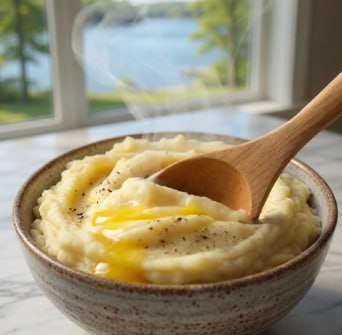
- Serve: Serve the mashed potatoes immediately, garnished with fresh chives, if desired.
Cooking Tips and Variations
Achieving the perfect creamy mashed potatoes requires attention to detail. Here are some tips and variations to elevate your mashed potato game:
- Potato Selection: Yukon Gold potatoes are ideal for creamy mashed potatoes due to their naturally buttery flavor and creamy texture. Russet potatoes can also be used, but they tend to be starchier and may require more liquid to achieve the desired consistency. If using Russets, consider using a combination of Russets and Yukon Golds for a balanced flavor and texture.
- Warming the Dairy: Warming the cream and milk before adding it to the potatoes is essential. Cold dairy can lower the temperature of the potatoes and cause them to become gluey. Warming the dairy also helps the butter melt more easily and evenly.
- Mashing Technique: A potato ricer is the best tool for achieving the smoothest mashed potatoes. A potato masher works well too, but be careful not to overmash. Avoid using a blender or food processor, as these can easily overwork the potatoes and result in a gummy texture.
- Don’t Overmix: Overmixing mashed potatoes releases too much starch, resulting in a gummy texture. Mix only until the ingredients are just combined.
- Salt the Water: Salting the water when boiling the potatoes seasons them from the inside out. This helps to enhance their flavor.
- Roast Garlic: For a deeper, more complex flavor, roast the garlic instead of mincing it. To roast garlic, cut off the top of a head of garlic, drizzle with olive oil, wrap in foil, and bake at 400°F (200°C) for 45-60 minutes, or until the cloves are soft and golden brown. Squeeze the roasted garlic cloves into the mashed potatoes along with the warmed dairy.
- Add Herbs: Fresh herbs can add a bright, vibrant flavor to mashed potatoes. Try adding chopped rosemary, thyme, or parsley to the mashed potatoes along with the warmed dairy.
- Cheese Please: For cheesy mashed potatoes, add shredded Parmesan, Gruyere, or cheddar cheese to the mashed potatoes along with the warmed dairy.
- Truffle Oil: A drizzle of truffle oil can add a luxurious, earthy flavor to mashed potatoes. Add a small amount of truffle oil to the mashed potatoes just before serving.
- Sour Cream or Cream Cheese: For a tangy twist, stir in a dollop of sour cream or cream cheese to the mashed potatoes along with the warmed dairy.
- Brown Butter: Brown the butter before adding it to the mashed potatoes for a nutty, caramelized flavor. To brown butter, melt the butter in a saucepan over medium heat. Continue cooking, swirling the pan occasionally, until the butter turns a golden brown color and has a nutty aroma. Be careful not to burn the butter.
Storage and Reheating
Mashed potatoes are best served immediately, but leftovers can be stored in the refrigerator for up to 3 days. To reheat mashed potatoes, add a splash of milk or cream to the potatoes and reheat in a saucepan over low heat, stirring occasionally, until heated through. You can also reheat mashed potatoes in the microwave, but be sure to cover them to prevent them from drying out. Add a pat of butter before reheating to help maintain moisture.
For longer storage, mashed potatoes can be frozen. Place the mashed potatoes in an airtight container or freezer bag and freeze for up to 2 months. To thaw, transfer the mashed potatoes to the refrigerator and let them thaw overnight. Reheat as directed above.
Frequently Asked Questions
Why are my mashed potatoes gummy?
Gummy mashed potatoes are usually caused by overmixing or using the wrong type of potato. Overmixing releases too much starch, resulting in a gummy texture. Avoid using a blender or food processor, and mix only until the ingredients are just combined. Also, be sure to use Yukon Gold potatoes, which are less starchy than Russet potatoes.
How can I prevent my mashed potatoes from drying out?
To prevent mashed potatoes from drying out, add enough liquid (milk, cream, or butter) to keep them moist. Also, be sure to cover the mashed potatoes when reheating them to prevent them from drying out. Adding a pat of butter before reheating can also help maintain moisture.
Can I make mashed potatoes ahead of time?
Yes, you can make mashed potatoes ahead of time. To prevent them from drying out, add a little extra milk or cream when you make them. Store the mashed potatoes in an airtight container in the refrigerator for up to 3 days. Reheat as directed above.
What can I serve with mashed potatoes?
Mashed potatoes are a versatile side dish that pairs well with a variety of main courses. They are a classic accompaniment to roasted chicken, steak, pork chops, and meatloaf. They also go well with vegetarian dishes like lentil loaf or vegetable pot pie. For a complete meal, serve mashed potatoes with a green vegetable like steamed broccoli or green beans.