Instructions
- Prepare the Potatoes: Place the peeled and quartered potatoes in a large pot. Cover with cold water by about an inch. Add a generous pinch of salt to the water.
- Boil the Potatoes: Bring the water to a boil over high heat. Once boiling, reduce the heat to medium and simmer for 15-20 minutes, or until the potatoes are easily pierced with a fork. They should be very tender and almost falling apart.
- Drain the Potatoes: Carefully drain the potatoes in a colander. Return the potatoes to the pot.
- Dry the Potatoes (Important!): Place the pot with the drained potatoes back on the stovetop over low heat. Let the potatoes steam for 1-2 minutes, shaking the pot occasionally. This helps to remove excess moisture, resulting in fluffier mashed potatoes. Be careful not to burn them.
- Rice the Potatoes: This is the secret! Using a potato ricer, rice the potatoes back into the pot. If you don’t have a ricer, you can use a food mill or a potato masher, but the ricer will give you the smoothest results. Rice the potatoes while they are still hot.
- Add the Cream Cheese: Add the softened cream cheese to the riced potatoes. The warmth of the potatoes will help the cream cheese melt and incorporate smoothly.
- Add the Cream and Butter: Pour in the heavy cream and melted butter.
- Mix Gently: Using a wooden spoon or a rubber spatula, gently mix the potatoes, cream cheese, cream, and butter together. Avoid overmixing, as this can lead to gluey potatoes. Mix until everything is just combined and the potatoes are smooth and creamy.
- Season to Taste: Season the mashed potatoes with salt and freshly ground black pepper to taste. Start with the amounts listed in the ingredients and adjust as needed.
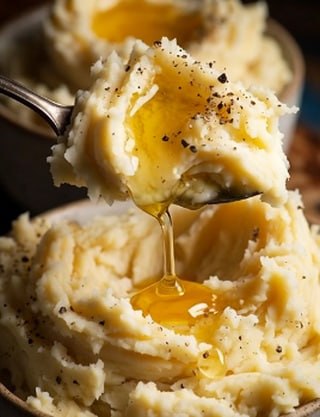
- Serve Immediately: Serve the mashed potatoes immediately while they are still hot and creamy. Garnish with fresh chives and a pat of butter, if desired.
Cooking Tips and Variations
- Potato Selection: Yukon Gold potatoes are ideal for creamy mashed potatoes because they have a naturally buttery flavor and creamy texture. Russet potatoes can also be used, but they tend to be starchier and may require more liquid to achieve the desired creaminess.
- Don’t Overcook: Overcooked potatoes can become waterlogged and gluey. Cook them until they are fork-tender, but not mushy.
- Warm the Cream: Warming the heavy cream before adding it to the potatoes helps to maintain the temperature of the potatoes and prevents them from becoming cold and stiff. You can warm the cream in a saucepan over low heat or in the microwave.
- Don’t Overmix: Overmixing the potatoes can release too much starch, resulting in gluey mashed potatoes. Mix gently until everything is just combined.
- Season Generously: Salt and pepper are essential for bringing out the flavor of the potatoes. Season generously to taste.
- Add Roasted Garlic: For a richer and more complex flavor, add roasted garlic to the mashed potatoes. Roast a head of garlic in the oven until it is soft and caramelized, then squeeze the cloves into the potatoes and mix well.
- Stir in Fresh Herbs: Fresh herbs like chives, parsley, or thyme can add a bright and flavorful touch to the mashed potatoes. Stir in a tablespoon or two of chopped fresh herbs just before serving.
- Top with Crispy Bacon: Crispy bacon adds a salty and savory crunch to the mashed potatoes. Cook bacon until crispy, then crumble it over the top of the potatoes.
- Make Cheesy Mashed Potatoes: For cheesy mashed potatoes, stir in shredded cheddar cheese, Gruyere cheese, or Parmesan cheese. Add the cheese after the cream and butter have been added, and mix until the cheese is melted and smooth.
- Brown Butter: Use brown butter instead of regular melted butter for a nutty, rich flavor. Heat the butter in a saucepan over medium heat until it melts and then continues to cook until it turns golden brown and has a nutty aroma. Be careful not to burn it.
- Use a Food Mill: If you don’t have a potato ricer, a food mill is the next best option for achieving smooth mashed potatoes.
Storage and Reheating
Storage: Store leftover mashed potatoes in an airtight container in the refrigerator for up to 3-4 days.
Reheating: There are several ways to reheat mashed potatoes:
- Microwave: Place the mashed potatoes in a microwave-safe dish and add a splash of milk or cream to help them rehydrate. Cover the dish and microwave on medium power for 1-2 minutes, stirring occasionally, until heated through.
- Stovetop: Place the mashed potatoes in a saucepan over low heat. Add a splash of milk or cream and stir frequently until heated through.
- Oven: Place the mashed potatoes in an oven-safe dish and add a splash of milk or cream. Cover the dish with foil and bake at 350°F (175°C) for 15-20 minutes, or until heated through.
Tip: When reheating mashed potatoes, it’s important to add a little bit of liquid to prevent them from drying out. You can use milk, cream, broth, or even water.
Frequently Asked Questions
Can I make these mashed potatoes ahead of time?
Yes, you can make these mashed potatoes ahead of time. Prepare them as directed, then store them in an airtight container in the refrigerator for up to 2 days. When ready to serve, reheat them using one of the methods described above. You may need to add a little extra milk or cream to restore their creamy texture.
Can I freeze these mashed potatoes?
While you can freeze mashed potatoes, the texture may change slightly upon thawing. They can become a little grainy. To freeze, let the mashed potatoes cool completely, then transfer them to a freezer-safe container or freezer bag. Freeze for up to 2-3 months. Thaw in the refrigerator overnight before reheating.
What if I don’t have cream cheese?
If you don’t have cream cheese, you can substitute sour cream or crème fraîche. These will add a similar tanginess and richness to the mashed potatoes. Start with 1/4 cup and add more to taste.
Why are my mashed potatoes gluey?
Gluey mashed potatoes are usually caused by overcooking the potatoes or overmixing them. Avoid overcooking the potatoes by cooking them until they are just fork-tender. Avoid overmixing the potatoes by mixing them gently until everything is just combined. Using a potato ricer or food mill also helps to prevent gluey mashed potatoes.