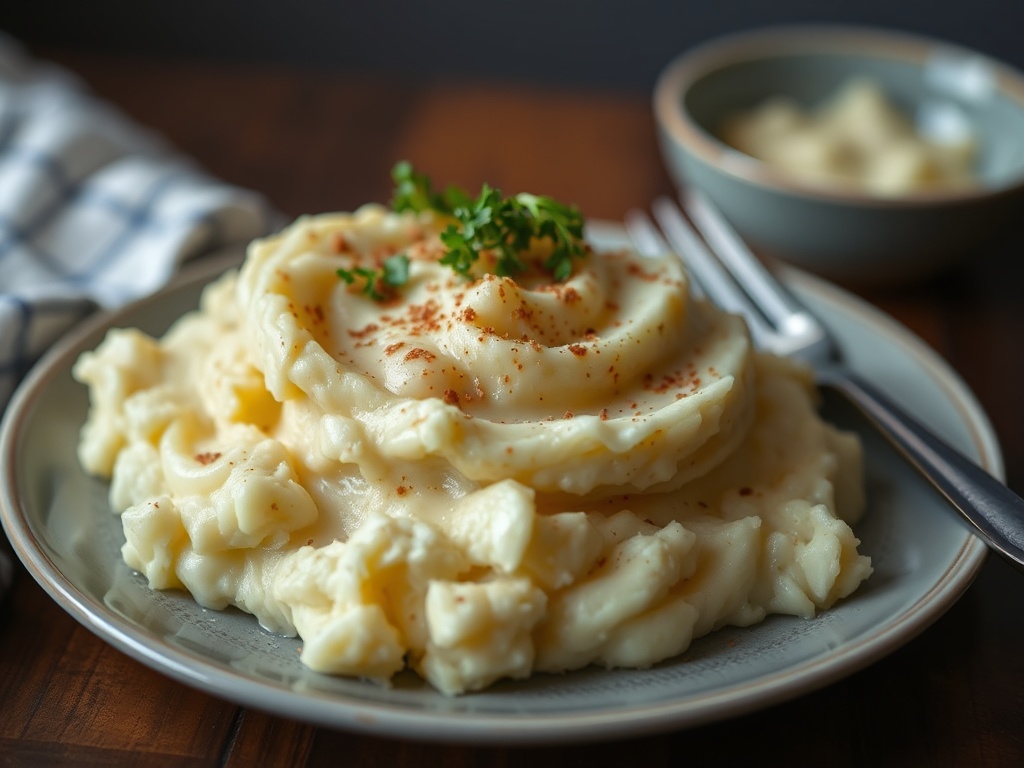
The Secret Creamy Mashed Potatoes
Ah, mashed potatoes. The ultimate comfort food, a staple on holiday tables, and the perfect accompaniment to countless meals. Yet, for all its beloved status, achieving that elusive, perfectly creamy, fluffy, and flavorful mashed potato can feel like a culinary quest. We’ve all been there: the gluey, pasty disappointment, the lumpy texture that just won’t quit, or the bland, watery mess that leaves you wondering where you went wrong. You might have tried countless recipes, hoping for that velvety, rich consistency, only to be met with another batch of mediocre mash.
But what if I told you the secret to consistently perfect, dreamy mashed potatoes isn’t some mythical, hard-to-find ingredient or an arcane cooking technique? What if it’s a combination of simple, yet crucial, steps and ingredient choices that, once understood, will transform your mashed potato game forever? It’s easier than you think, and once you master these principles, you’ll be churning out spoonfuls of pure bliss every single time. Get ready to banish bland, lumpy, and gluey potatoes from your kitchen for good.
In this article, we’re going to dive deep into the science and art behind truly epic mashed potatoes. We’ll uncover the key ingredients and why they matter, walk you through a step-by-step method that guarantees perfection, and even explore delicious variations to elevate your mash. Prepare to unlock the secrets to velvety, rich, and utterly irresistible mashed potatoes that will have everyone asking for your recipe.
Nutritional Information
Per serving (approximate values):
- Calories: 320
- Protein: 5g
- Carbohydrates: 35g
- Fat: 18g
- Fiber: 3g
- Sodium: 450mg
Ingredients
- 2 lbs (about 4-5 medium) starchy potatoes (Russet or Idaho), peeled
- 1 teaspoon Kosher salt (for boiling water, more to taste)
- 1/2 cup unsalted butter, cut into pieces, softened
- 1/2 cup whole milk or heavy cream, warmed
- 1/4 cup sour cream or crème fraîche (optional, for tang and extra creaminess)
- 1/4 teaspoon freshly ground black pepper, or to taste
- Pinch of white pepper (optional, for subtle heat without flecks)
- 1/2 teaspoon garlic powder or 1-2 cloves roasted garlic (optional, for flavor)
- Fresh chives or parsley, chopped (for garnish, optional)
Instructions
- Prepare the Potatoes: Peel the potatoes thoroughly. Cut them into uniform 1-inch pieces. This ensures they cook evenly. Uneven pieces will lead to some being undercooked and others turning mushy.
- Start in Cold, Salted Water: Place the cut potatoes in a large pot. Cover them with cold water by at least an inch. Add 1 teaspoon of Kosher salt to the water. Starting in cold water allows the potatoes to cook evenly from the outside in as the water gradually heats, preventing mushy exteriors and hard centers.
- Boil Until Fork-Tender: Bring the water to a boil over high heat, then reduce heat to medium-low and simmer. Cook for 15-20 minutes, or until the potatoes are easily pierced with a fork but not falling apart. Overcooking will make them waterlogged and gluey.
- The Critical Drain and Dry: This step is paramount. Drain the potatoes thoroughly in a colander. Immediately return the drained potatoes to the hot, empty pot over low heat. Shake the pot gently for 1-2 minutes to evaporate any remaining surface moisture. This crucial step prevents watery or gluey mashed potatoes.
- Mash with the Right Tool: Remove the pot from the heat. For the ultimate smooth and fluffy texture, pass the hot, dry potatoes through a potato ricer or a food mill directly back into the pot. If using a hand masher, mash gently until mostly smooth, being careful not to overwork them. Remember, never use a food processor or immersion blender, as this will break down the starch too much and result in a gluey, pasty texture.
- Incorporate Dairy and Seasonings: Add the softened butter pieces to the hot, riced or mashed potatoes first, allowing them to melt slightly. Then, gradually pour in the warmed milk or heavy cream, stirring gently until combined. Add the sour cream or crème fraîche (if using), black pepper, white pepper (if using), and garlic powder or roasted garlic (if using).
- Taste and Adjust: Stir gently until everything is just combined and creamy. Do not overmix! Taste the mashed potatoes and adjust seasoning as needed, adding more Kosher salt and pepper to your preference. The amount of salt needed can vary based on your taste and how much salt was absorbed during boiling.
- Serve Immediately: For the best texture and flavor, serve your perfectly creamy mashed potatoes immediately. Garnish with fresh chives or parsley if desired.
Cooking Tips and Variations
For the richest flavor, consider browning your butter slightly before adding it to the potatoes. Simply melt the butter in a small saucepan over medium heat, swirling occasionally, until it turns a nutty brown and smells fragrant. Be careful not to burn it. Infusing your milk or cream with aromatics is another fantastic way to add depth. Gently warm the milk or cream with a few garlic cloves, a bay leaf, or a sprig of fresh thyme. Strain the aromatics out before adding the warm dairy to the potatoes. This imparts a subtle, complex flavor. Always adjust the consistency of your mashed potatoes gradually with warm dairy; you might not need all of the liquid specified in the recipe, or you might need a little extra. Taste and adjust seasoning frequently throughout the process. A dollop of sour cream or crème fraîche adds a wonderful tang and extra richness. For a different flavor profile, consider adding roasted garlic, fresh herbs like rosemary or thyme, caramelized onions, or even a sprinkle of cheese like Parmesan or sharp cheddar. For healthier options, you can substitute some of the milk with chicken or vegetable broth, or use Greek yogurt in moderation for a tangy twist. Olive oil can also be used instead of butter for a Mediterranean-inspired mash, though it will yield a different flavor and texture.
Storage and Reheating
Mashed potatoes are best enjoyed immediately after preparation for optimal texture. However, leftovers can be stored in an airtight container in the refrigerator for 3-4 days. When reheating, it’s crucial to do so gently to prevent them from becoming gluey or dry. The best method is to reheat them over low heat on the stovetop, adding a splash of warm milk, cream, or broth and stirring occasionally until warmed through and creamy again. You can also reheat them in the microwave in short bursts (30-60 seconds), stirring between each burst and adding a little liquid, until heated through. Avoid high heat, as it can dry out the potatoes or make them gummy.
Frequently Asked Questions
What kind of potatoes are best for mashing?
Starchy potatoes like Russet or Idaho are ideal for mashed potatoes. Their high starch content and low moisture allow them to break down easily, resulting in a fluffy, tender texture. Waxy potatoes (like red or new potatoes) have less starch and more moisture, which can make them gluey when mashed.
Why do my mashed potatoes turn out gluey?
Gluey mashed potatoes are usually a result of overworking the starch. This can happen if you overcook the potatoes, don’t drain them sufficiently, or use a food processor or immersion blender to mash them. These tools break down the starch cells too aggressively, releasing excess starch that creates a gummy texture. Using a potato ricer or hand masher and gentle mixing are key to avoiding this.
Can I make mashed potatoes ahead of time?
Yes, you can make mashed potatoes ahead of time and store them in the refrigerator for up to 3-4 days. When reheating, it’s best to do so gently on the stovetop with a splash of warm milk or broth to restore their creamy consistency. Avoid high heat during reheating to prevent drying them out or making them gluey.
What’s the secret to truly creamy mashed potatoes?
The secret lies in several key steps: choosing starchy potatoes, starting them in cold, salted water, cooking them until just fork-tender, thoroughly drying them after draining, using a potato ricer or hand masher (never a food processor), and incorporating full-fat, warmed dairy and butter. Gentle mixing and seasoning to taste also play crucial roles in achieving that velvety, rich texture and flavor.