Introduction
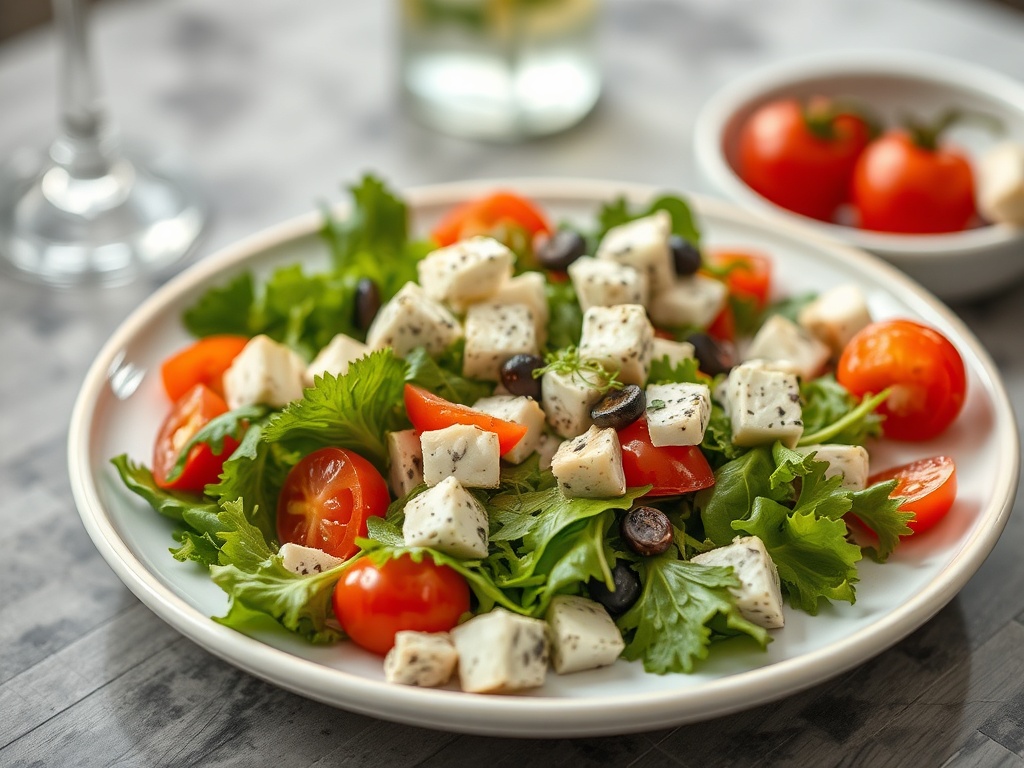
Step into the sun-drenched tavernas of Greece with every vibrant bite of a Classic Greek Salad, or as the locals lovingly call it, Horiatiki Salata – “village salad.” This isn’t just a side dish; it’s an experience, a celebration of simple, peak-season ingredients coming together in perfect harmony. Imagine the sweet burst of ripe tomatoes, the crisp coolness of cucumber, the sharp bite of red onion, and the briny punch of Kalamata olives, all crowned with a generous slab of authentic feta cheese and generously drizzled with golden, fruity olive oil. It’s a symphony of textures and flavors that instantly transports you to the Mediterranean.
What makes the Classic Greek Salad so universally adored? Its beauty lies in its unpretentious authenticity. Unlike many Americanized versions, you won’t find any lettuce here. This salad proudly stands on its own, showcasing the quality of its components rather than masking them. It’s incredibly refreshing, making it the perfect accompaniment to grilled meats and fish, or a light and satisfying meal all on its own, especially when paired with some crusty bread for soaking up every last drop of that glorious dressing. Healthy, versatile, and astonishingly easy to prepare, it’s a staple you’ll want in your culinary repertoire.
Beyond its delicious taste, the Classic Greek Salad embodies the heart of the Mediterranean diet – fresh, wholesome ingredients, minimal processing, and a focus on healthy fats. It’s a testament to the idea that truly great food doesn’t need to be complicated. With just a handful of quality ingredients, you can create a dish that is both deeply satisfying and incredibly good for you. Get ready to embrace the simplicity and savor the authentic flavors of Greece!
Nutritional Information
Per serving (approximate values):
- Calories: 320
- Protein: 12g
- Carbohydrates: 15g
- Fat: 25g
- Fiber: 4g
- Sodium: 850mg
Ingredients
- 4 large, ripe tomatoes (e.g., Roma, beefsteak, or a mix of heirlooms), cut into rustic, bite-sized wedges or chunks
- 1 large English cucumber or 2-3 Persian cucumbers, unpeeled and sliced into thick half-moons or chunks
- 1/2 medium red onion, very thinly sliced into rings or half-moons (optional: soak in cold water for 10-15 minutes to mellow the flavor)
- 1 green bell pepper (optional but traditional), cored, seeded, and cut into 1-inch pieces
- 1/2 cup Kalamata olives, pitted or unpitted (unpitted often have better flavor and texture)
- 6-8 ounces authentic Greek feta cheese (look for “Product of Greece” or “PDO Feta”), preferably in a block
- 1/2 teaspoon dried Greek oregano, plus more for garnish
- 1/4 cup high-quality extra virgin olive oil, plus more for drizzling
- 1 tablespoon red wine vinegar
- 1/4 teaspoon sea salt, or to taste
- 1/4 teaspoon freshly ground black pepper, or to taste
Instructions
- Prepare the Vegetables: Start by washing all your fresh produce. Cut the ripe tomatoes into rustic, bite-sized wedges or chunks. Remember, traditional Greek salads feature larger, less uniform cuts, so don’t worry about perfection.
- Slice the Cucumber: For the cucumber, if using an English cucumber, slice it into thick half-moons. If using Persian cucumbers, you can slice them into slightly thinner rounds or chunks. Leaving the skin on adds texture and nutrients, which is traditional.
- Slice the Red Onion: Take your red onion and slice it very thinly. You can opt for full rings or half-moons. If you find raw red onion too strong, place the slices in a small bowl of cold water for 10-15 minutes while you prepare other ingredients; this helps to reduce its pungency. Drain thoroughly before adding to the salad.
- Add Green Bell Pepper (Optional): If you’re including the green bell pepper, core it, remove the seeds, and cut it into 1-inch pieces. This adds a subtle sweetness and extra crunch, characteristic of a Horiatiki.
- Combine Vegetables and Olives: In a large mixing bowl, gently combine the chopped tomatoes, cucumber, thinly sliced red onion, and green bell pepper (if using). Add the Kalamata olives to the bowl.
- Prepare the Dressing: In a small bowl or jar, whisk together the extra virgin olive oil, red wine vinegar, salt, and freshly ground black pepper. The dressing for a Classic Greek Salad is intentionally simple, highlighting the quality of the olive oil and letting the fresh ingredients shine. It’s not a heavy vinaigrette.
- Assemble the Feta: This is a crucial traditional step! Instead of crumbling the feta throughout the salad, take your block of authentic Greek feta cheese and place it whole or in one or two large, generous slabs directly on top of the mixed vegetables. This is the hallmark of a true Horiatiki Salata.
- Dress and Season: Drizzle the prepared olive oil and vinegar dressing generously over the entire salad, ensuring some coats the feta. Then, liberally sprinkle the dried Greek oregano over the feta and vegetables. Greek oregano is particularly potent and flavorful, so a good sprinkle is essential.
- Final Seasoning: Add any additional salt and freshly ground black pepper to taste. Remember that Kalamata olives and feta are already salty, so taste before adding too much extra salt.
- Serve Immediately: A Classic Greek Salad is best enjoyed fresh. You can gently toss the salad just before serving, or traditionally, it’s served with the feta proudly on top, allowing guests to break off pieces and mix them in as they eat. Serve with crusty bread for dipping into the flavorful juices at the bottom of the bowl.
Cooking Tips and Variations
To truly elevate your Classic Greek Salad, the golden rule is “quality over quantity.” Since there are so few ingredients, each one truly needs to shine. Opt for the freshest, ripest tomatoes you can find – farmers’ market tomatoes are ideal. For cucumbers, English or Persian varieties are preferred for their crispness and fewer seeds. When it comes to feta, this is not the place to skimp. Seek out authentic Greek feta, marked “Product of Greece” or “PDO Feta,” made from sheep’s milk or a sheep/goat milk blend. Its crumbly texture and tangy, salty flavor are incomparable to the softer, milder imitations often found. Similarly, invest in a high-quality extra virgin olive oil; its fruity notes are central to the dressing.
For a perfect presentation, resist the urge to finely dice everything. Traditional Greek salads feature rustic, larger cuts of vegetables. This not only looks beautiful but also provides a more satisfying bite and prevents the vegetables from becoming watery too quickly. If you’re sensitive to the sharpness of raw red onion, the simple trick of soaking the sliced onion in cold water for 10-15 minutes can make a world of difference, mellowing its bite without eliminating its flavor. And don’t forget the Greek oregano – it’s distinctly more aromatic than other varieties and makes a huge impact on the overall flavor profile.
While the beauty of Horiatiki lies in its tradition, there are a few non-traditional variations you can explore if you’re looking for a twist. For a heartier meal, consider adding grilled chicken, shrimp, or even chickpeas for a vegetarian protein boost. A squeeze of fresh lemon juice can be added to the dressing for an extra zing, though traditionally, the acidity comes primarily from the red wine vinegar. Some regional variations might include capers, but generally, steer clear of adding other vegetables like lettuce or leafy greens, which would stray too far from the authentic “village salad” concept. The key is to keep it simple and let the core ingredients speak for themselves.
Storage and Reheating
The Classic Greek Salad, with its reliance on fresh, crisp vegetables and a simple olive oil-based dressing, is undoubtedly at its best when eaten immediately after assembly. The vibrant textures and flavors are most pronounced when everything is freshly cut and dressed.
If you anticipate having leftovers or are preparing the salad ahead of time, the key to successful storage is to keep the components separate until just before serving. Store the chopped vegetables (tomatoes, cucumber, onion, bell pepper, olives) in an airtight container in the refrigerator for up to 1-2 days. Keep the block of feta cheese separate, either wrapped in its original brine or in a small airtight container. The dressing should also be stored separately in a sealed jar or container in the refrigerator. When you’re ready to serve, simply combine the vegetables, place the feta on top, and drizzle with the dressing. This method prevents the vegetables from becoming soggy and the feta from dissolving into the dressing, maintaining the salad’s fresh appeal.
Once dressed, the salad will start to release its juices, especially from the tomatoes, and the vegetables will soften. An already dressed Greek salad can still be enjoyed the next day, but it will have a different texture. It won’t “reheat” in the traditional sense, as it’s a cold dish. You can simply take it out of the refrigerator and let it come to a slightly cooler room temperature for about 15-20 minutes before eating, which can enhance the flavors. However, for optimum freshness, it’s always recommended to dress only what you plan to eat.
Frequently Asked Questions
What makes an authentic Greek Salad different from other salads?
The most crucial distinguishing factor of an authentic Greek Salad (Horiatiki Salata) is the complete absence of lettuce or other leafy greens. It relies solely on ripe tomatoes, cucumbers, red onion, Kalamata olives, and a block of feta cheese. The dressing is also very simple, primarily high-quality extra virgin olive oil with a touch of red wine vinegar and Greek oregano, allowing the fresh produce to be the star.
Why is my feta cheese different from what I see in recipes?
Authentic Greek feta is traditionally made from sheep’s milk, or a blend of sheep’s and goat’s milk, and is often sold in brine. It has a distinct tangy, salty flavor and a crumbly, somewhat firm texture. Many supermarket “feta” products, especially outside of Greece, are made from cow’s milk and can be softer, creamier, and less flavorful. To get the true experience, look for feta labeled “Product of Greece” or “PDO Feta” (Protected Designation of Origin).
Can I prepare the Greek Salad ahead of time for a party?
While best served fresh, you can certainly do some prep work in advance. Chop all the vegetables (tomatoes, cucumber, onion, bell pepper) and store them in separate airtight containers in the refrigerator. Keep the olives separate, and the block of feta wrapped. Prepare the dressing and store it separately. Assemble the salad, add the feta, and drizzle with dressing just before serving to maintain optimal freshness and prevent sogginess.
Is it okay to add chicken or other proteins to a Greek Salad?
Traditionally, a Classic Greek Salad is vegetarian. However, if you’re looking to make it a more substantial meal, adding grilled chicken, shrimp, or even chickpeas is a popular and delicious variation. While not authentic to the “village salad” concept, these additions can transform it into a satisfying main course while still embracing the fresh Mediterranean flavors.