<h2>Introduction</h2>
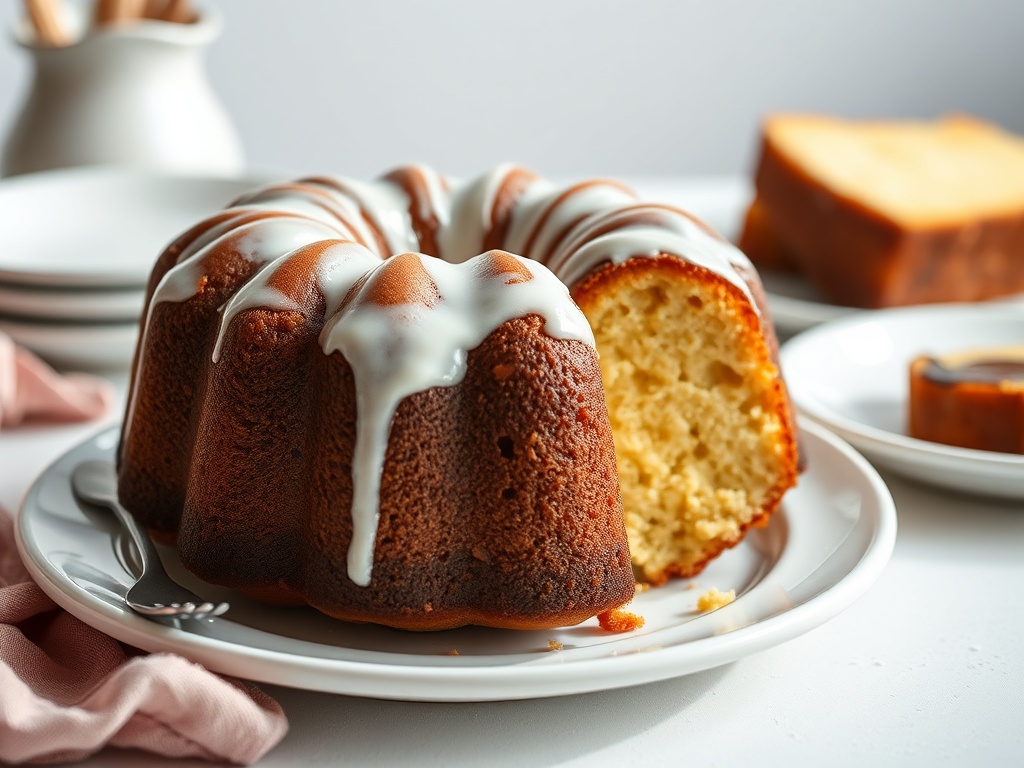
<p>Step into a world of timeless culinary delight with the Old-Fashioned Pound Cake, a dessert that embodies simplicity, elegance, and pure comfort. Imagine a perfectly golden crust, giving way to a dense yet incredibly tender crumb that practically melts in your mouth. Each bite delivers a rich, buttery flavor, subtly sweet, and imbued with the warm, inviting aroma of vanilla. This isn’t just a cake; it’s a culinary hug, a nostalgic journey back to grandmother’s kitchen, and a testament to the enduring power of quality ingredients and classic technique. Its unassuming appearance belies a depth of flavor and a satisfying texture that has captivated generations of dessert lovers.</p>
<p>The story of pound cake is as rich as its taste, tracing its roots back to 18th-century English baking traditions. The name itself is a charming nod to its original, incredibly straightforward recipe: one pound each of butter, sugar, eggs, and flour. This simple yet brilliant ratio created a cake that was not only delicious but also remarkably sturdy and long-lasting, making it a practical staple for home bakers. While modern recipes, including this one, might subtly adjust these proportions for optimal texture and flavor, the spirit of that original “pound” remains. It’s a celebration of pure, unadulterated ingredients working in harmony, proving that sometimes, the most magnificent creations come from the humblest beginnings. This heritage is precisely what makes it a foundational cake, often serving as a blank canvas for countless variations and accompaniments.</p>
<p>Our particular recipe for Old-Fashioned Pound Cake stands out because it perfectly balances tradition with foolproof results. We’ve honed the classic method to ensure a consistently perfect texture – moist, dense, and never dry – with that signature golden crust and a tender crumb that’s a joy to eat. It’s a reliable recipe that delivers every time, whether you’re a seasoned baker or just starting your culinary adventures. This recipe is designed to guide you through each step with clarity and precision, empowering you to create a truly exceptional dessert. Prepare to embark on a delightful baking journey that promises to reward you with a magnificent, truly classic pound cake that you’ll be proud to share and eager to bake again and again.</p>
<h2>Nutritional Information</h2>
<p>Per serving (approximate values):</p>
<ul>
<li><strong>Calories:</strong> 420</li>
<li><strong>Protein:</strong> 5g</li>
<li><strong>Carbohydrates:</strong> 50g</li>
<li><strong>Fat:</strong> 23g</li>
<li><strong>Fiber:</strong> 1g</li>
<li><strong>Sodium:</strong> 200mg</li>
</ul>
<h2>Ingredients</h2>
<ul>
<li>1 cup (226g) unsalted butter, softened to room temperature</li>
<li>2 cups (400g) granulated sugar</li>
<li>5 large eggs, at room temperature</li>
<li>3 cups (360g) all-purpose flour, sifted</li>
<li>1/2 teaspoon baking powder</li>
<li>1/2 teaspoon salt</li>
<li>1 cup (240ml) whole milk, at room temperature</li>
<li>2 teaspoons pure vanilla extract</li>
</ul>
<h2>Instructions</h2>
<ol>
<li><strong>Prepare Your Pan and Preheat Oven:</strong> Grease and flour a 10-inch Bundt pan or a 9×5-inch loaf pan thoroughly, ensuring every crevice is coated to prevent sticking. Alternatively, use baking spray with flour. Preheat your oven to 325°F (160°C).</li>
<li><strong>Combine Dry Ingredients:</strong> In a medium bowl, whisk together the sifted all-purpose flour, baking powder, and salt. Set aside.</li>
<li><strong>Cream Butter and Sugar:</strong> In the bowl of a stand mixer fitted with the paddle attachment (or using a large bowl and a hand mixer), beat the softened butter on medium speed for about 2 minutes until light and creamy. Gradually add the granulated sugar, about 1/4 cup at a time, beating well after each addition. Continue to beat on medium-high speed for 5-7 minutes, scraping down the sides of the bowl occasionally, until the mixture is very light, fluffy, and pale in color. This creaming process incorporates essential air for the cake’s structure.</li>
<li><strong>Add Eggs Gradually:</strong> Reduce the mixer speed to low. Add the eggs one at a time, beating well after each addition until fully incorporated. Scrape down the sides of the bowl as needed. The mixture may look slightly curdled at first, but continue beating until it comes back together and is smooth and emulsified.</li>
<li><strong>Alternate Dry and Wet Ingredients:</strong> With the mixer on low speed, add about one-third of the flour mixture to the butter-egg mixture, mixing just until combined. Then, pour in half of the room temperature milk and mix until just incorporated. Repeat with another third of the flour mixture, followed by the remaining milk. Finish by adding the last third of the flour mixture. Mix only until no streaks of dry flour remain. <strong>Do not overmix</strong>; overmixing develops gluten too much, leading to a tough cake.</li>
<li><strong>Stir in Vanilla:</strong> Gently fold in the pure vanilla extract by hand using a spatula.</li>
<li><strong>Transfer to Pan and Bake:</strong> Pour the batter evenly into your prepared Bundt or loaf pan. Smooth the top with a spatula. Place the pan in the center of the preheated oven.</li>
<li><strong>Baking Time:</strong> Bake for 60-75 minutes for a Bundt pan, or 70-85 minutes for a loaf pan, or until a wooden skewer or toothpick inserted into the center of the cake comes out clean or with only a few moist crumbs attached. If the top begins to brown too quickly, loosely tent the pan with aluminum foil.</li>
<li><strong>Cooling Process:</strong> Once baked, remove the cake from the oven and let it cool in the pan on a wire rack for 15-20 minutes. This allows the cake to set and firm up before unmolding. After 15-20 minutes, carefully invert the cake onto the wire rack to cool completely. Cooling on a wire rack allows air to circulate around the cake, preventing the bottom from becoming soggy.</li>
<li><strong>Serve and Enjoy:</strong> Once completely cool, slice and serve plain, or with your favorite toppings. Enjoy the rich, buttery goodness of your homemade Old-Fashioned Pound Cake!</li>
</ol>
<h2>Cooking Tips and Variations</h2>
<p>Achieving a truly magnificent Old-Fashioned Pound Cake hinges on a few key techniques and considerations. First and foremost, the importance of <strong>room temperature ingredients</strong> cannot be overstated. Butter, eggs, and milk that are at room temperature emulsify much more easily, creating a smooth, homogenous batter that holds air better, resulting in a finer, more even crumb. Cold ingredients can cause the batter to curdle, leading to a less desirable texture. To quickly bring eggs to room temperature, place them in a bowl of warm (not hot) water for 5-10 minutes. For butter, cut it into smaller pieces and let it sit on the counter for 30 minutes, or microwave it in 5-second bursts until slightly softened but not melted. Another crucial tip is to <strong>measure your flour correctly</strong>. Too much flour is a common culprit for dry, dense cakes. The best method is to weigh your flour using a kitchen scale (360g for 3 cups). If you don’t have a scale, fluff the flour in its container, then spoon it gently into your measuring cup and level it off with a straight edge, avoiding packing it down. This prevents over-measurement. <strong>Do not overmix the batter</strong> once the flour is added; mix only until just combined to avoid developing too much gluten, which can lead to a tough cake.</p>
<p>For those looking to explore variations, the pound cake is an incredibly versatile canvas. To make a <strong>Lemon Pound Cake</strong>, add 2 tablespoons of lemon zest to the sugar during the creaming stage, and replace half of the milk with freshly squeezed lemon juice. A simple lemon glaze (powdered sugar mixed with lemon juice) can be drizzled over the cooled cake. For a <strong>Buttermilk Pound Cake</strong>, substitute the whole milk with an equal amount of room temperature buttermilk; the acidity in buttermilk creates a wonderfully tender crumb and a subtle tang. To introduce <strong>Spiced Pound Cake</strong>, add 1 teaspoon of ground cinnamon, 1/2 teaspoon of ground nutmeg, and 1/4 teaspoon of ground cloves to the dry ingredients. For a <strong>Chocolate Swirl Pound Cake</strong>, reserve about 1 cup of batter and mix it with 2 tablespoons of unsweetened cocoa powder and 1 tablespoon of milk or strong coffee. Swirl this chocolate batter into the plain batter in the pan using a knife before baking. You can also incorporate <strong>chopped nuts</strong> like pecans or walnuts (about 1 cup) into the batter during the final stages of mixing for added texture and flavor. Finally, consider adding a <strong>glaze</strong> for an extra touch of sweetness and moisture. A basic vanilla glaze is made by whisking 1.5 cups powdered sugar with 2-3 tablespoons milk and 1/2 teaspoon vanilla extract until smooth. Drizzle over the cooled cake.</p>
<h2>Storage and Reheating</h2>
<p>Proper storage is key to keeping your Old-Fashioned Pound Cake fresh and delicious. Once completely cooled, the pound cake should be stored in an <strong>airtight container</strong> at room temperature. This will prevent it from drying out and keep it fresh for up to 3-4 days. Avoid refrigerating pound cake unless it contains a perishable filling or frosting, as refrigeration can dry out the cake and alter its texture, making it dense and crumbly. If you need to store it longer, pound cake freezes exceptionally well. For freezing, it’s best to wrap the cooled cake tightly in plastic wrap, then an additional layer of aluminum foil. You can freeze it whole or sliced. Slicing it before freezing allows you to thaw individual portions as needed, which is incredibly convenient. Frozen pound cake can be stored for up to 3 months. To thaw, simply remove it from the freezer and let it come to room temperature on the counter, still wrapped, for several hours or overnight. Once thawed, it will be as moist and flavorful as freshly baked. Reheating pound cake is generally not necessary if stored at room temperature, but if you prefer a warm slice, you can gently heat individual slices in a microwave for 10-20 seconds or in a preheated oven (300°F/150°C) for 5-10 minutes until just warm through. Be careful not to overheat, as this can dry it out.</p>
<h2>Frequently Asked Questions</h2>
<h3>Why did my pound cake sink in the middle?</h3>
<p>Several factors can cause a pound cake to sink. Common culprits include opening the oven door too early during baking (especially in the first 2/3 of the baking time), which causes a sudden drop in temperature. It could also be underbaked, meaning the internal structure hasn’t fully set. Too much liquid in the batter or excessive leavening (if your recipe uses it) can also contribute. Ensure your oven temperature is accurate with an oven thermometer and resist the urge to peek.</p>
<h3>Can I use margarine instead of butter?</h3>
<p>While you technically can, it is not recommended for an Old-Fashioned Pound Cake if you want the authentic taste and texture. Butter provides superior flavor, richness, and contributes significantly to the cake’s tender crumb and golden crust due to its fat content and milk solids. Margarine, with its different fat composition and water content, will result in a cake with a less desirable flavor, often a tougher texture, and may not brown as beautifully. Stick to good quality unsalted butter for the best results.</p>
<h3>What’s the best pan for pound cake?</h3>
<p>For an Old-Fashioned Pound Cake, a 10-inch Bundt pan or a 10-12 cup tube pan is often considered ideal. These pans, with their central tube, allow for more even heat distribution, ensuring the dense cake bakes through uniformly without the edges overbaking before the center is done. A traditional 9×5-inch loaf pan can also be used, but it might require a slightly longer baking time and the center can sometimes take longer to cook. Regardless of the pan, proper greasing and flouring are essential.</p>
<h3>How long does pound cake last?</h3>
<p>When stored properly in an airtight container at room temperature, a pound cake will typically stay fresh and delicious for 3 to 4 days. If you need to store it for a longer period, it freezes exceptionally well. Wrapped tightly in plastic wrap and then foil, it can be kept in the freezer for up to 3 months. Thaw frozen cake at room temperature for several hours or overnight for best results.</p>